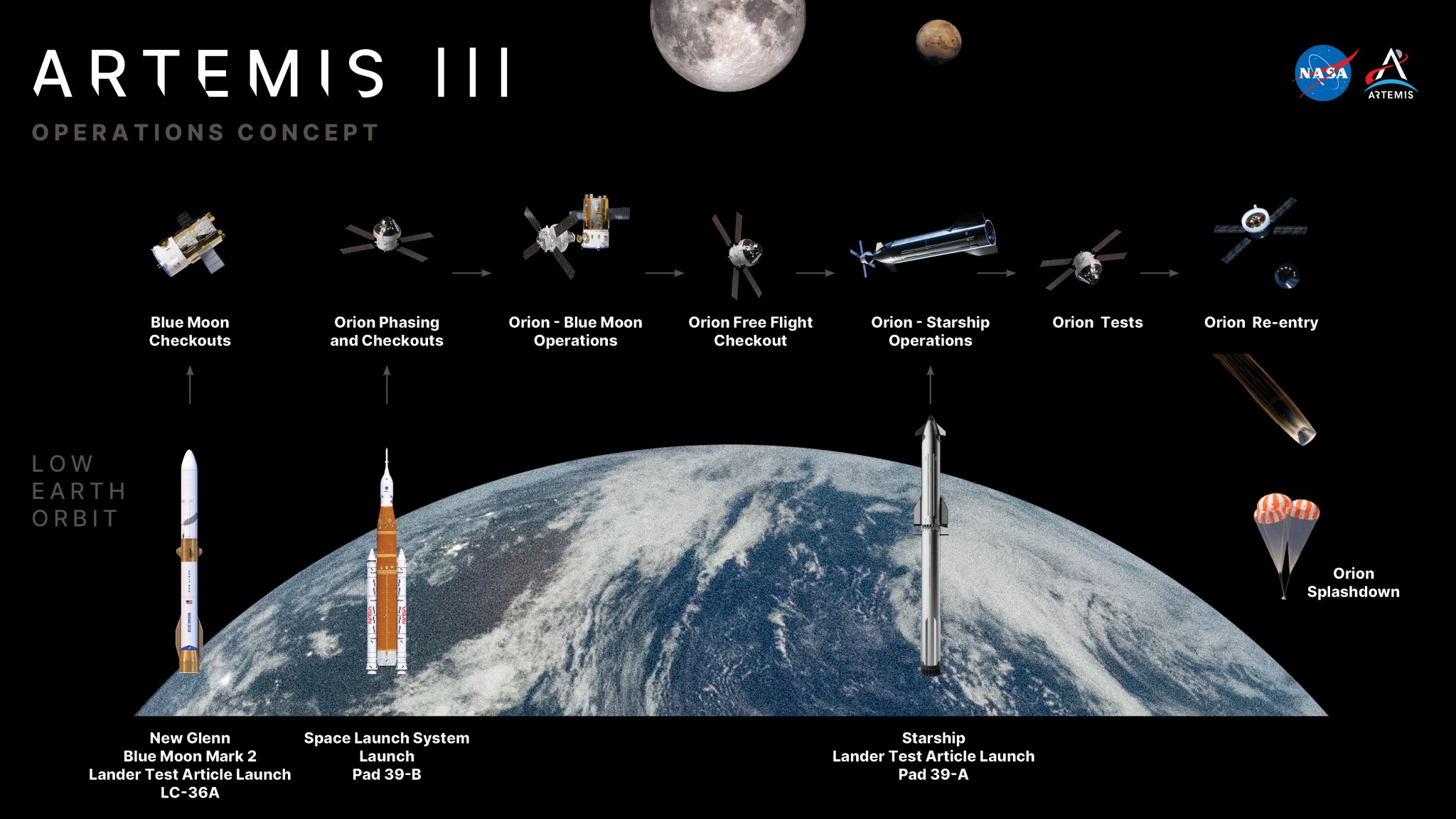
In an update on Oct. 23, NASA Administrator Jared Isaacman and other agency leaders shared the agency’s path to returning Americans to the lunar surface in 2028.
NOAA marked a significant milestone in weather modeling on November 3 with the implementation of the Rapid Refresh Forecast System (RRFS), a next-generation system that combines the strengths of NOAA's existing regional models to deliver detailed, hourly-updating short-term forecasts over North America. RRFS extends forecast lead times to 84 hours and includes advanced functions for fire weather, smoke, and dust plume predictions. The transition from research to operations represents a major step towards modernizing NOAA's weather forecast modeling suite, enhancing safety and security for Americans.
Because standard, static AI benchmarks can’t capture subjective concepts, we bypassed simulated testing and evaluated Agile Deliberation across 18 live, 1.5-hour sessions with human participants.
NASA selected three companies to develop Ka-band space relay capability concepts, aiming to ensure service continuity for existing spacecraft without modifications. The awards are firm-fixed-price contracts with options for additional funding, supporting NASA's decision to retire the Tracking and Data Relay Satellite fleet and adopt commercial services for future missions. The awardees include Facilitated through the SCaN program's Communications Services Project, this work supports the need for Ka-band services for in-orbit missions that cannot feasibly modify flight hardware or transition to non-compatible commercial services.
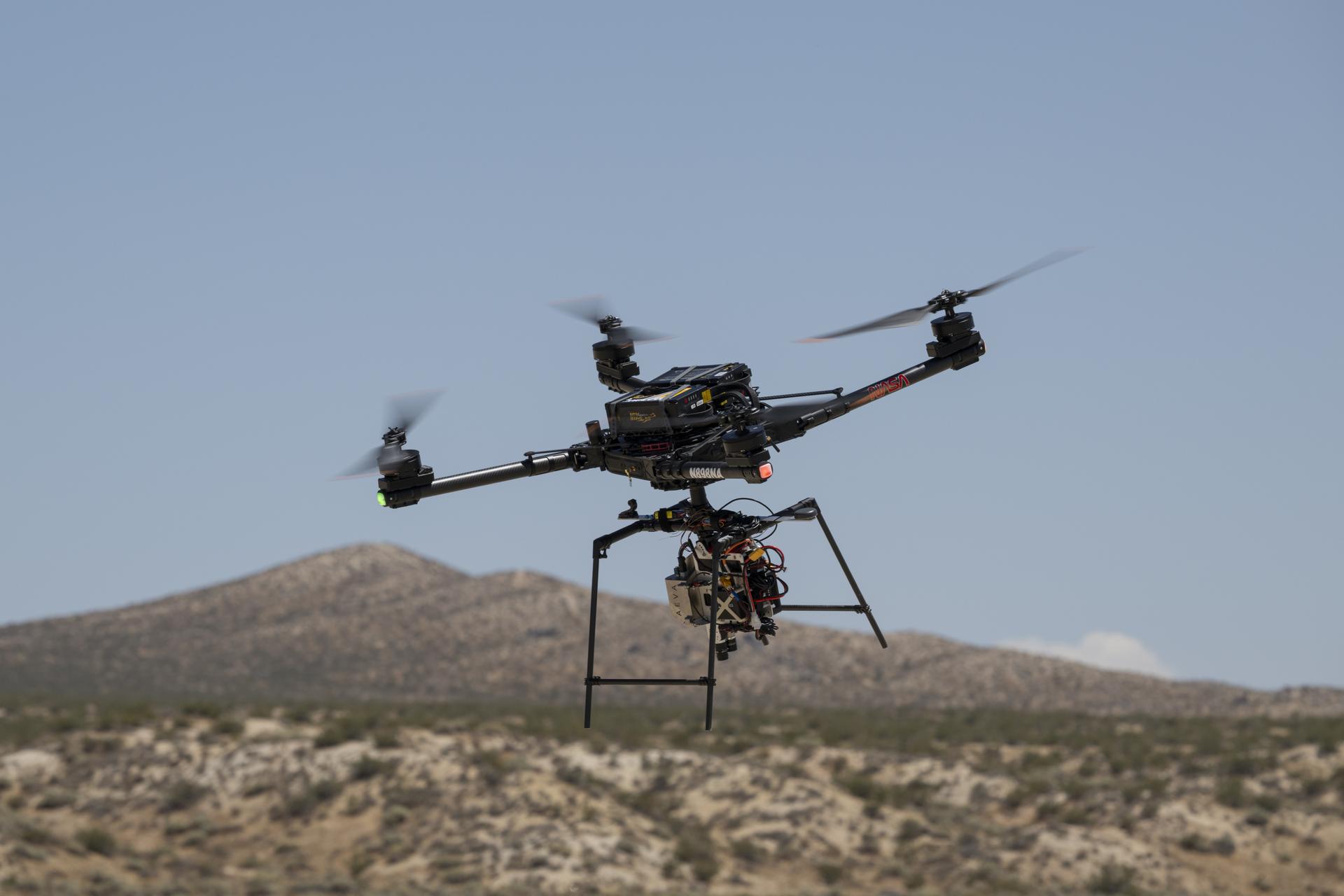
NASA successfully tested technology designed to help spacecraft autonomously navigate to safe landing sites on the Moon and other planets. An Alta-X drone equipped with SPLICE guidance, navigation, and control payload completed simulated lunar descent and landing maneuvers. The system uses advanced guidance systems to assess potential landing areas and generate high-resolution digital elevation maps from light-detection and sensor data. This flight test is the culmination of almost a decade of work, raising the technology readiness level for integration into future missions.
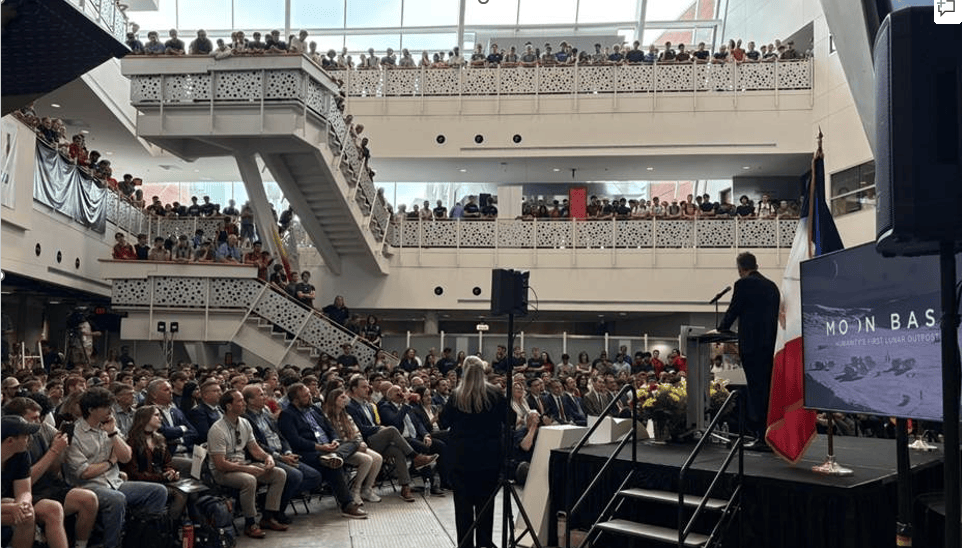
NASA's Inspiration Tour brought students into the heart of the action, connecting the public, industry, and academia with NASA's leadership. At Iowa State University, students shared research findings and demonstrated their strong connection to NASA. At the University of Arizona, students presented their high-altitude ballooning research to NASA Administrator Jared Isaacman, highlighting their hands-on experience in space research and career connections.
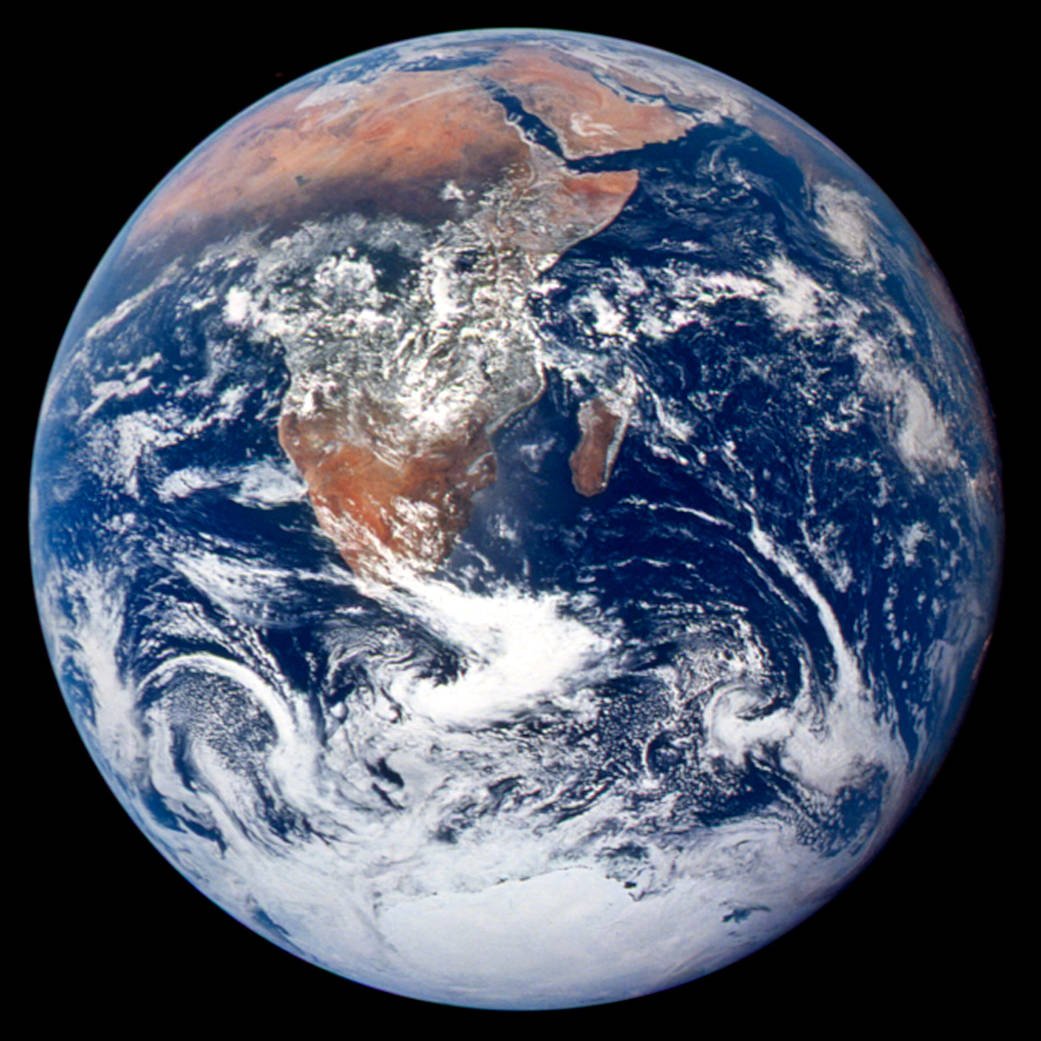
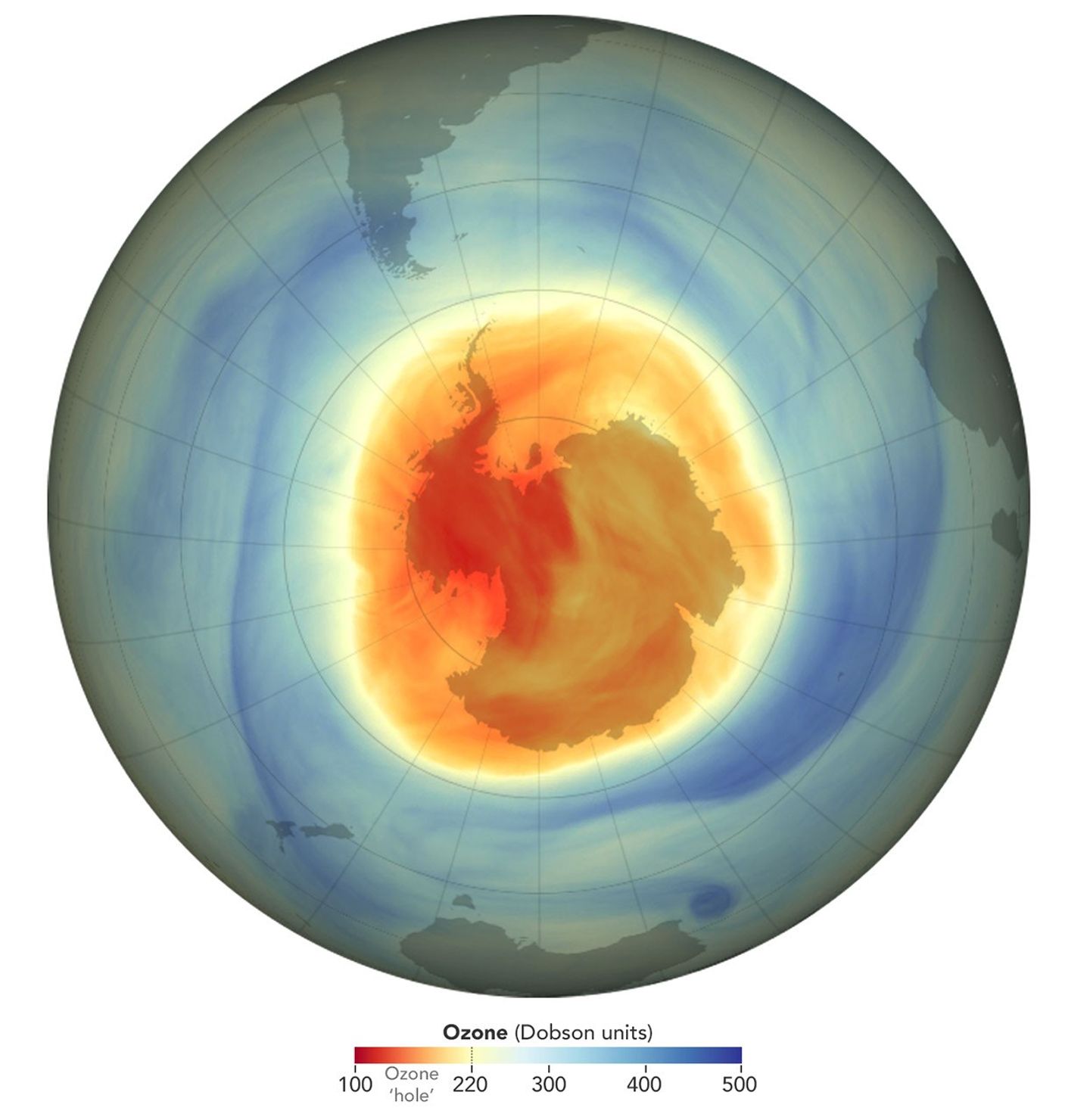
Earth’s protective ozone layer remains on track for long-term recovery, despite atmospheric conditions that contributed to a larger Antarctic ozone hole in 2026, NASA and the National Oceanic and Atmospheric Administration (NOAA) reported.
An astronaut aboard the International Space Station captured a wide-angle photo of the U.S. Midwest on October 18, 2026, illuminating major cities and interconnecting highways. The photo showcases the region's built environment, with a diffuse green and orange band visible along the horizon. The astronaut's photos and NASA's data are used to track changes in urban lighting, from power outages to transitions to LED lighting.
MIT researchers will develop a noninvasive, wearable patch to monitor biomarkers of heart disease and sepsis. The project aims to provide real-time health information and assist in diagnosing and treating patients. The minimally invasive device could track recovery and assist in developing more effective therapeutic approaches. Heart disease is the leading cause of death in the U.S., while sepsis is the leading cause of death in hospitals.
With permission.) Atypical weather conditions caused the Antarctic ozone hole to grow to an unusually large size in 2026, NOAA and NASA scientists reported today, though they said the protective ozone layer is still on track to recover by later this century.
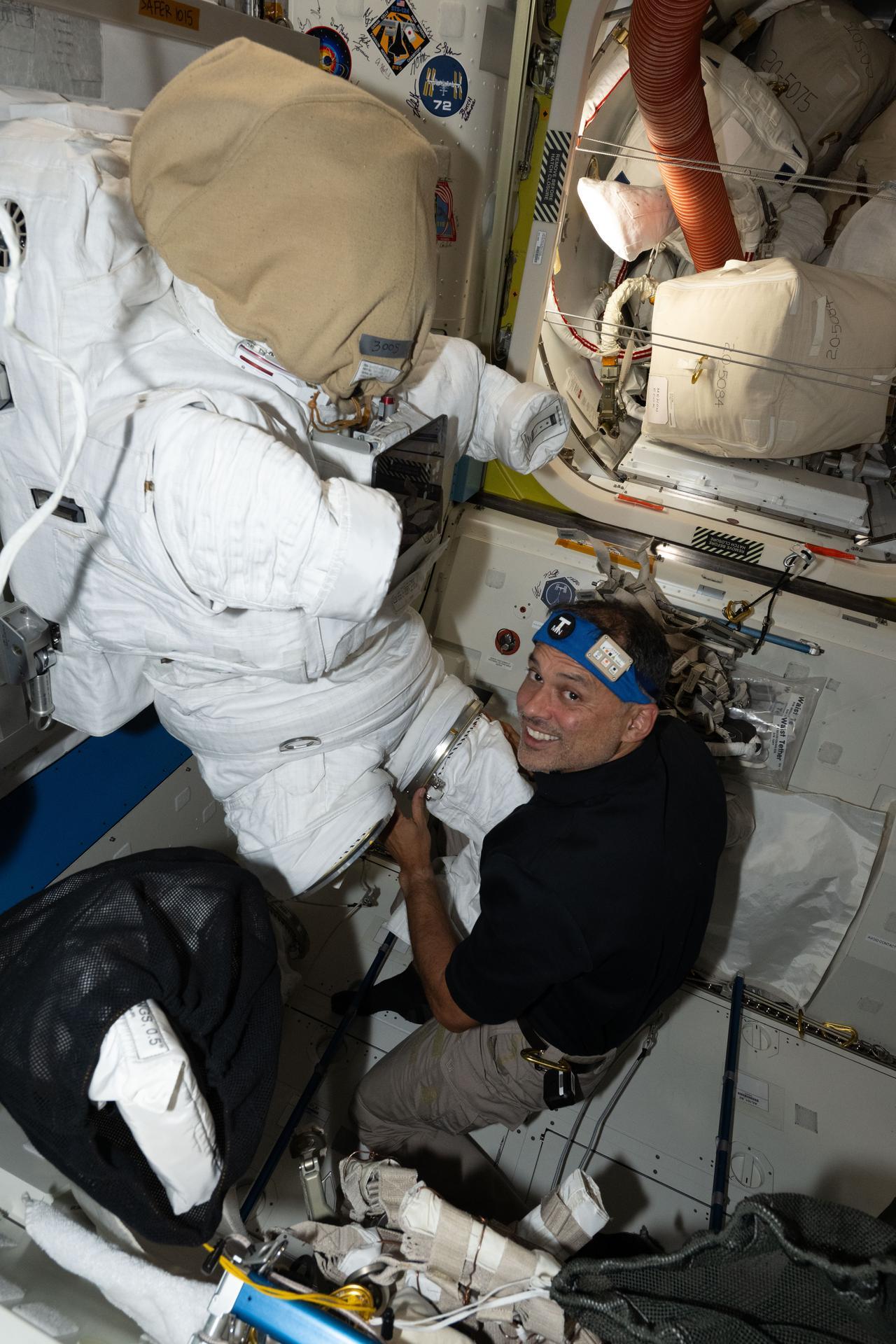
Canadian astronaut Joshua Kutryk completed the installation of the eighth and final roll-out solar array on the International Space Station on October 29, 2026. The eight arrays will increase the station's available power by up to 30%. The pair also performed some get-ahead work for their next spacewalk, which will take place on November 5, 2026.
NASA reports two instances of thick-film chip resistors cracking during environmental testing on printed circuit boards. The failures occurred during thermal cycling after vibration, with fractures along the short axis due to bending. Contributing factors include board flexure, component orientation, excessive solder, and mounting stresses. The bulletin recommends careful component placement, finite element analysis, controlled solder fillet height, thorough inspection, and functional thermal shock testing to mitigate flexure-induced cracking risks in ceramic body components on printed circuit boards.
Students across the country will have the opportunity to connect with NASA astronaut Anil Menon and STEM content creator Mark Rober during a live, interactive in-flight call with the International Space Station. The event celebrates National STEM Day and features real-world science, engineering, and exploration into classrooms nationwide. The downlink supports NASA's broader effort to connect students with authentic STEM experiences and aims to inspire more learners to engage with science, engineering, and problem-solving skills for future opportunities in the aerospace sector and beyond.
Tropical cyclone activity in the Northwest Pacific Basin has been elevated since April 2026, when Sinlaku surged to super typhoon strength and battered Micronesia, Guam, and the Northern Mariana Islands.
NASA··1 min read
LESS NOISE. MORE SIGNAL.
A little further into the unknown.
Follow our open news feed. No inbox clutter. Just the latest dispatches, in your reader.

 Source image · NASA