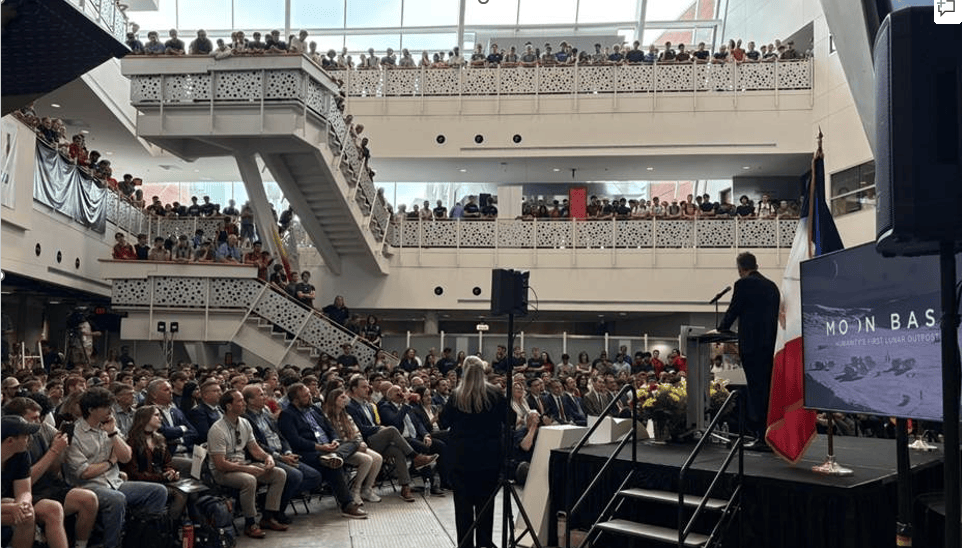
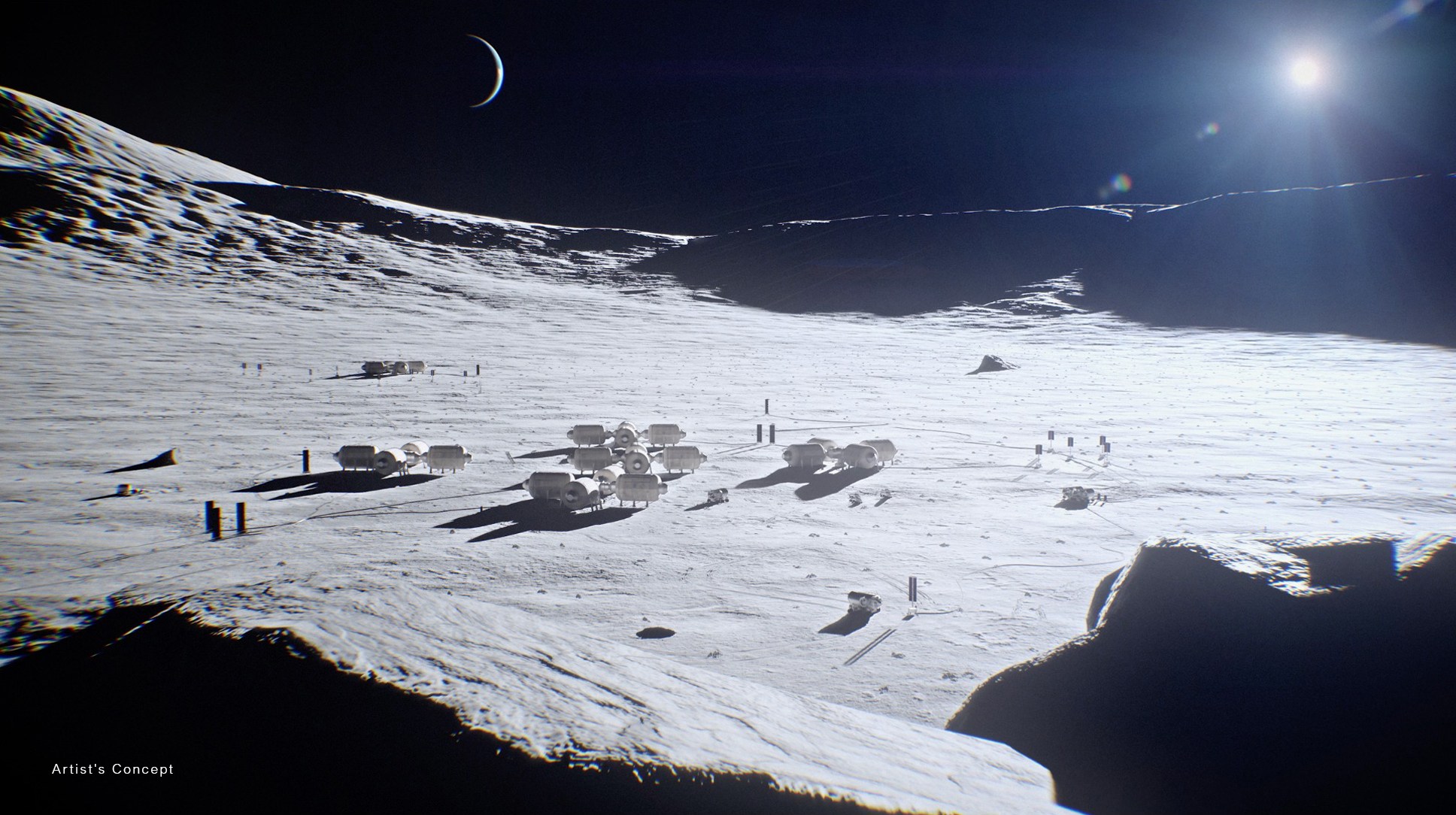
NASA announced a suite of awards and mission updates to expand its Moon Base exploration, science, and infrastructure capabilities. The investments include commercial robotic deliveries, a nuclear-powered rover, launch and orbital transfer services, and surface infrastructure. The agency shared the news at the MAX POWER aerospace expo and air show at NASA's Kennedy Space Center in Florida. NASA Administrator Jared Isaacman emphasized the importance of building the Moon Base mission by mission, using the playbook that carried NASA through its greatest eras.
The sparkling collection of stars is named Messier 30 (M30) after the French astronomer, Charles Messier , who cataloged M30 and other diffuse objects that might be mistaken for comets in the early telescopes of Messier’s time.
Tens of millions of years ago, the San Juan River in Utah shared characteristics with the Mississippi River. Geologic forces pushed the Colorado Plateau upward, increasing the river's gradient and flow, leading to the formation of goosenecks. Today, the goosenecks are an unusual geologic wonder and a Dark Sky Park, offering dark skies for meteor showers in November 2026.
NASA astronauts Jessica Watkins and Luke Delaney will answer prerecorded STEM questions from Florida students aboard the International Space Station. The event, hosted by Freedom Crossing Academy, will stream live on NASA's Learn With NASA YouTube channel at 10:40 a.m. EST on Nov. 10. This unique opportunity aims to deepen understanding of space exploration and STEM careers.
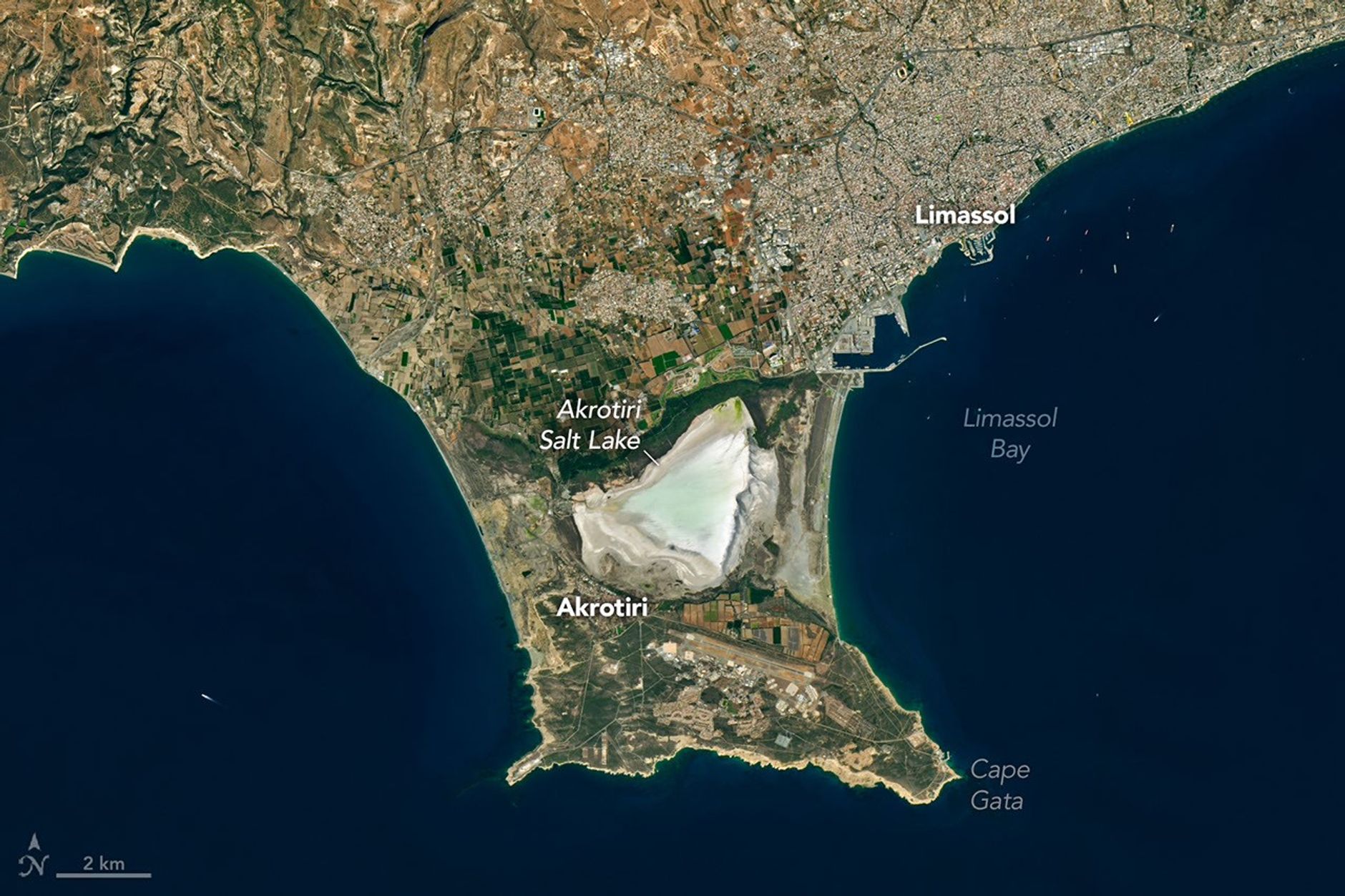
The island of Cyprus began to form some 90 million years ago during the Late Cretaceous , with molten rock pouring from the seafloor, solidifying, and building new oceanic crust .
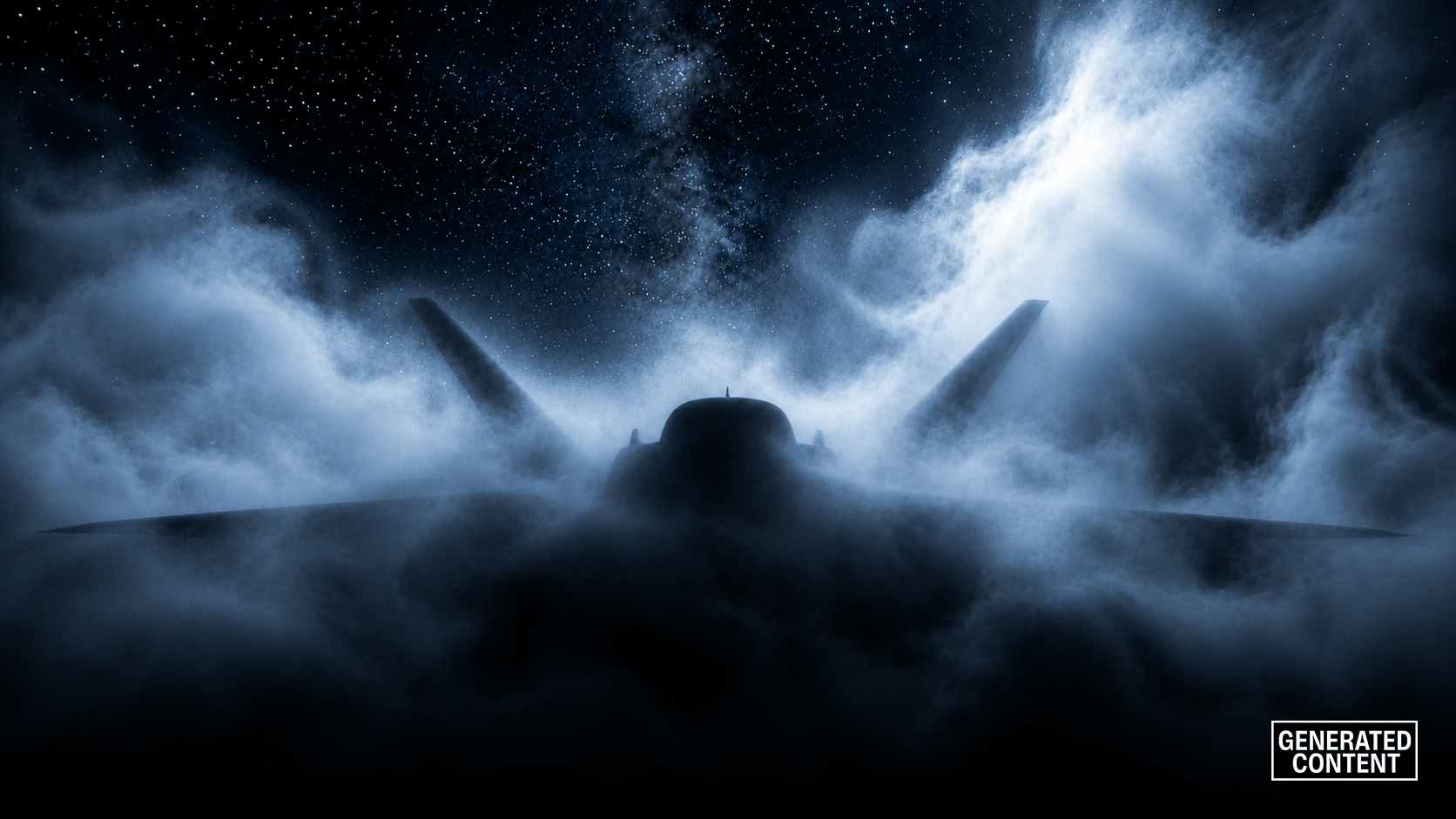
NASA announced the X-70 Fractal, a crewed high-performance experimental aircraft designed to accelerate advanced aviation technology development. Featuring advanced flight-control and payload capabilities, it will explore aircraft maneuverability and conduct research across various conditions. The aircraft, with a takeoff weight of 10,000 pounds, will reach altitudes of up to 45,000 feet and provide an operational range exceeding 1,726 miles. NASA aims for its first flight within the next two years.
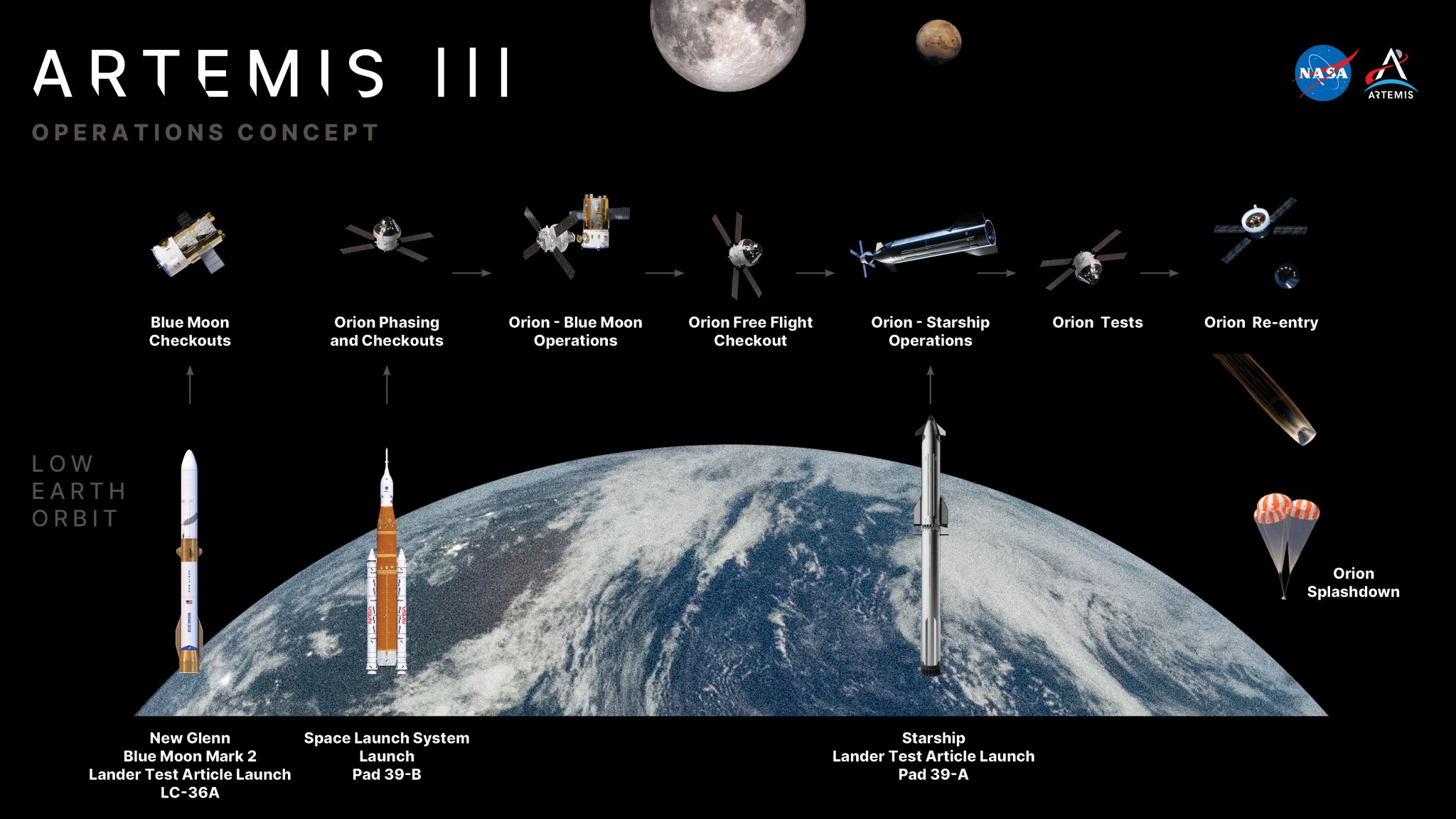
In an update on Oct. 23, NASA Administrator Jared Isaacman and other agency leaders shared the agency’s path to returning Americans to the lunar surface in 2028.
NASA selected three companies to develop Ka-band space relay capability concepts, aiming to ensure service continuity for existing spacecraft without modifications. The awards are firm-fixed-price contracts with options for additional funding, supporting NASA's decision to retire the Tracking and Data Relay Satellite fleet and adopt commercial services for future missions. The awardees include Facilitated through the SCaN program's Communications Services Project, this work supports the need for Ka-band services for in-orbit missions that cannot feasibly modify flight hardware or transition to non-compatible commercial services.
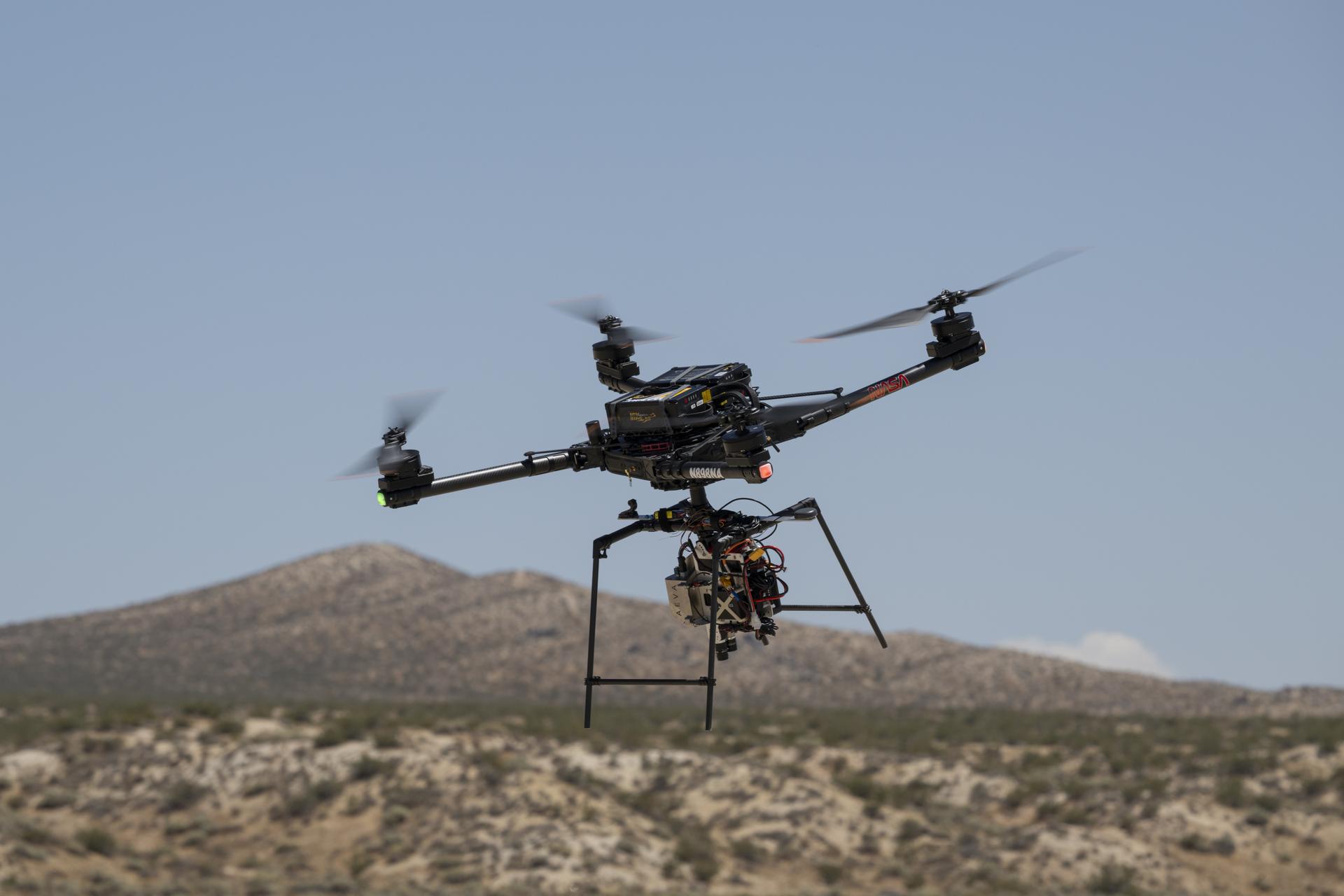
NASA successfully tested technology designed to help spacecraft autonomously navigate to safe landing sites on the Moon and other planets. An Alta-X drone equipped with SPLICE guidance, navigation, and control payload completed simulated lunar descent and landing maneuvers. The system uses advanced guidance systems to assess potential landing areas and generate high-resolution digital elevation maps from light-detection and sensor data. This flight test is the culmination of almost a decade of work, raising the technology readiness level for integration into future missions.
NASA's Inspiration Tour brought students into the heart of the action, connecting the public, industry, and academia with NASA's leadership. At Iowa State University, students shared research findings and demonstrated their strong connection to NASA. At the University of Arizona, students presented their high-altitude ballooning research to NASA Administrator Jared Isaacman, highlighting their hands-on experience in space research and career connections.
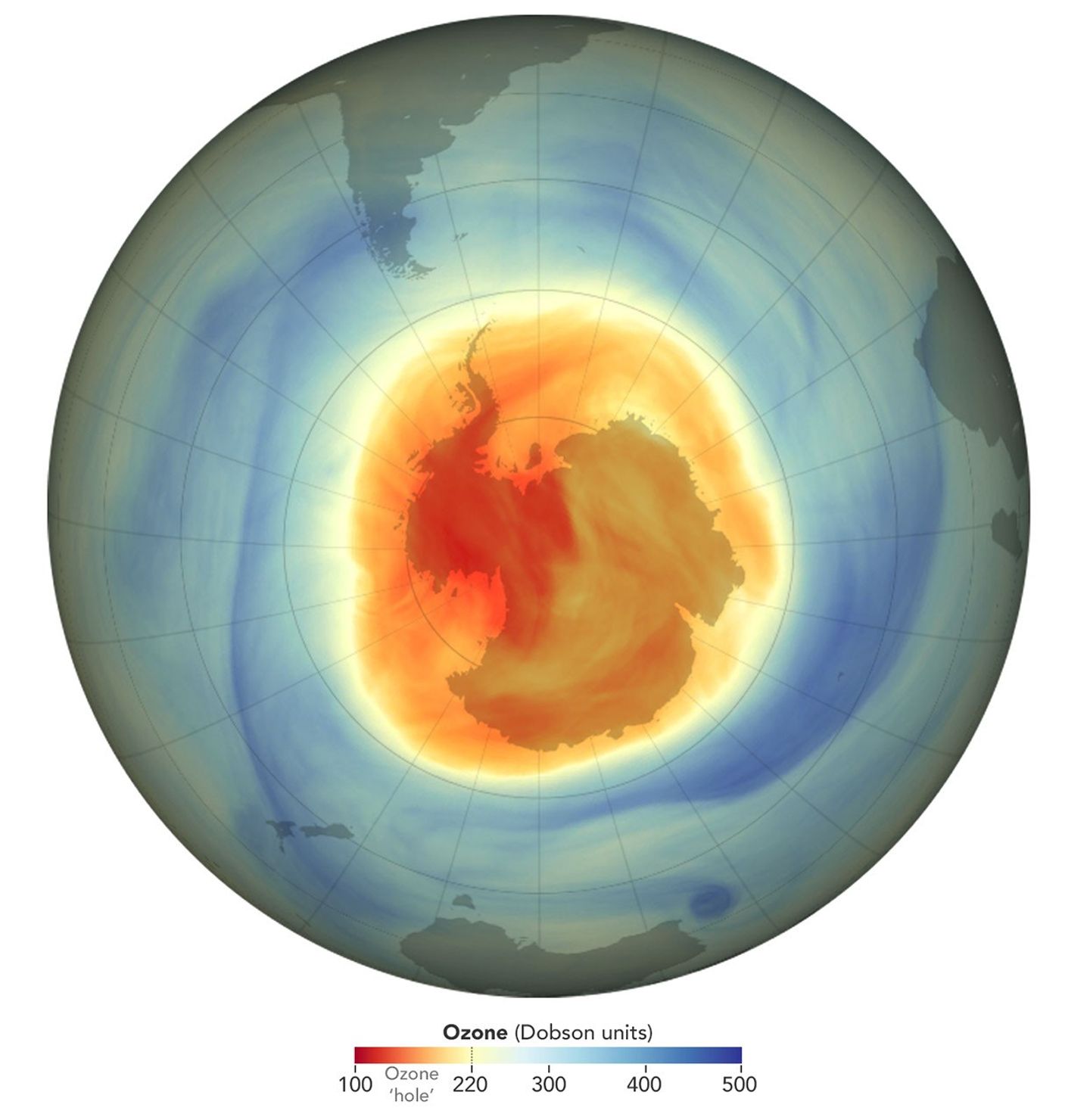
Earth’s protective ozone layer remains on track for long-term recovery, despite atmospheric conditions that contributed to a larger Antarctic ozone hole in 2026, NASA and the National Oceanic and Atmospheric Administration (NOAA) reported.
An astronaut aboard the International Space Station captured a wide-angle photo of the U.S. Midwest on October 18, 2026, illuminating major cities and interconnecting highways. The photo showcases the region's built environment, with a diffuse green and orange band visible along the horizon. The astronaut's photos and NASA's data are used to track changes in urban lighting, from power outages to transitions to LED lighting.
NASA reports two instances of thick-film chip resistors cracking during environmental testing on printed circuit boards. The failures occurred during thermal cycling after vibration, with fractures along the short axis due to bending. Contributing factors include board flexure, component orientation, excessive solder, and mounting stresses. The bulletin recommends careful component placement, finite element analysis, controlled solder fillet height, thorough inspection, and functional thermal shock testing to mitigate flexure-induced cracking risks in ceramic body components on printed circuit boards.
NASA··1 min read
LESS NOISE. MORE SIGNAL.
A little further into the unknown.
Follow our open news feed. No inbox clutter. Just the latest dispatches, in your reader.

 Source image · NASA