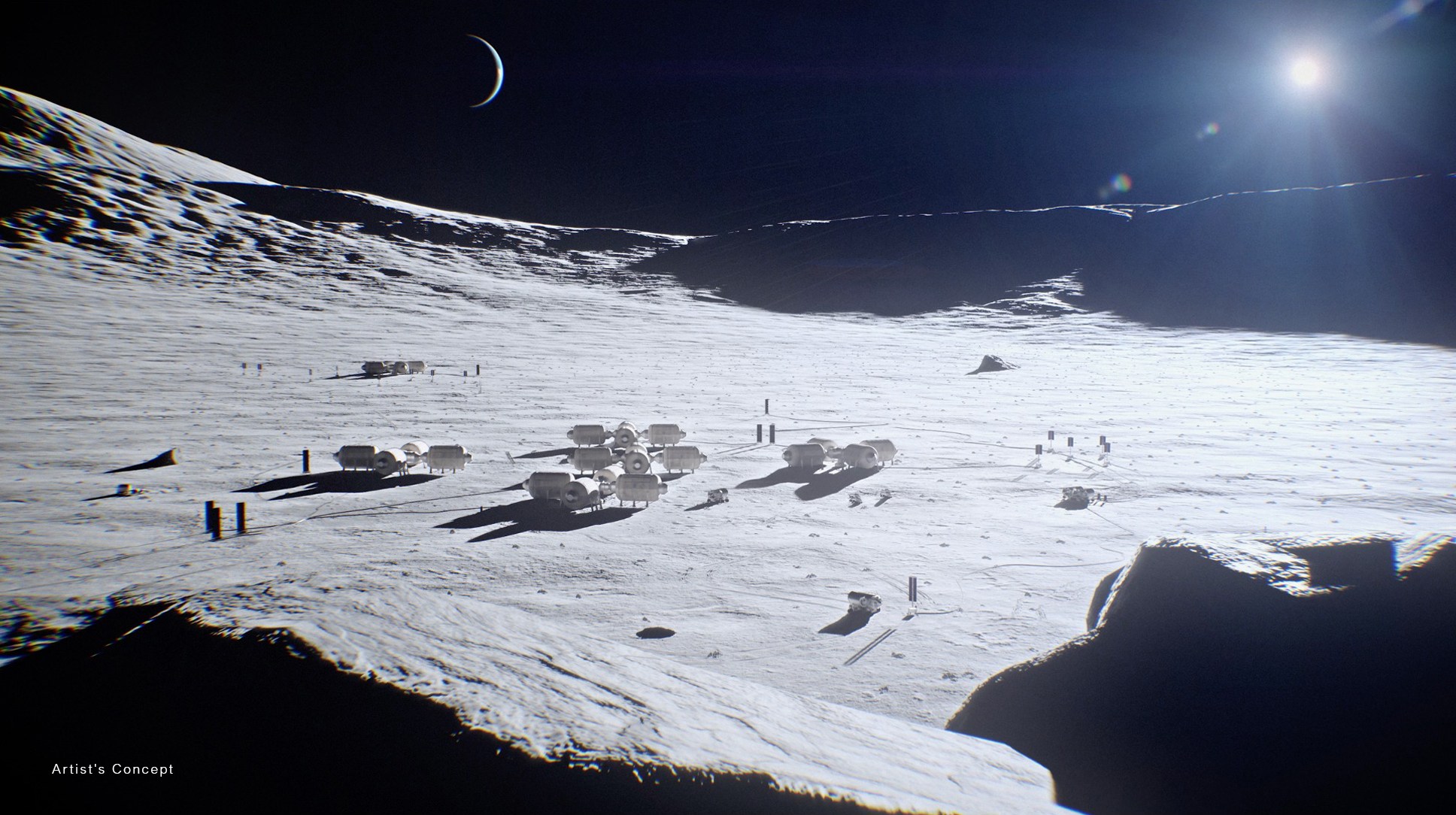
NASA announced a suite of awards and mission updates to expand its Moon Base exploration, science, and infrastructure capabilities. The investments include commercial robotic deliveries, a nuclear-powered rover, launch and orbital transfer services, and surface infrastructure. The agency shared the news at the MAX POWER aerospace expo and air show at NASA's Kennedy Space Center in Florida. NASA Administrator Jared Isaacman emphasized the importance of building the Moon Base mission by mission, using the playbook that carried NASA through its greatest eras.
The sparkling collection of stars is named Messier 30 (M30) after the French astronomer, Charles Messier , who cataloged M30 and other diffuse objects that might be mistaken for comets in the early telescopes of Messier’s time.
The 60th Annual Oral History Association Meeting announced a partnership with the University of Alaska Fairbanks Oral History Program's Project Jukebox to co-locate selected oral histories. This collaboration expands access to Alaska's innovative digital oral history collection, integrating interviews with photographs, maps, and place-based storytelling to document diverse communities, cultures, and environments.
NOAA Voices at the 2026 Oral History Association Annual Meeting The 60th Annual Oral History Association Meeting will take place October 14–17, 2026, in Portland, Oregon.
The University of Alaska Fairbanks Oral History Program's Project Jukebox is partnering with the University of Alaska Fairbanks to co-locate selected oral histories, expanding access to a national digital oral history collection. The project integrates interviews with photographs, maps, and place-based storytelling to document Alaska's diverse communities, cultures, and changing environments. The project is available for download.
Tens of millions of years ago, the San Juan River in Utah shared characteristics with the Mississippi River. Geologic forces pushed the Colorado Plateau upward, increasing the river's gradient and flow, leading to the formation of goosenecks. Today, the goosenecks are an unusual geologic wonder and a Dark Sky Park, offering dark skies for meteor showers in November 2026.
Scientists at MIT and UCSB have developed a theory to study quark-gluon plasma, the universe's first fluid that existed just a fraction of a second after the Big Bang. The theory predicts how relativistic particles are likely to be pushed and pulled by the plasma as they fly through it, providing insights into the microscopic structure of the fluid.
Google researchers have developed an AI system that uses standard consumer smartwatch sensors to detect signs of high blood pressure (hypertension). The system, called AI-PPG-ACC-HTN, was validated against the clinical gold standard of 24-hour ambulatory blood pressure monitoring and achieved comparable accuracy levels. This research informed the Blood Pressure Trends feature in the Google Health app.
NASA astronauts Jessica Watkins and Luke Delaney will answer prerecorded STEM questions from Florida students aboard the International Space Station. The event, hosted by Freedom Crossing Academy, will stream live on NASA's Learn With NASA YouTube channel at 10:40 a.m. EST on Nov. 10. This unique opportunity aims to deepen understanding of space exploration and STEM careers.
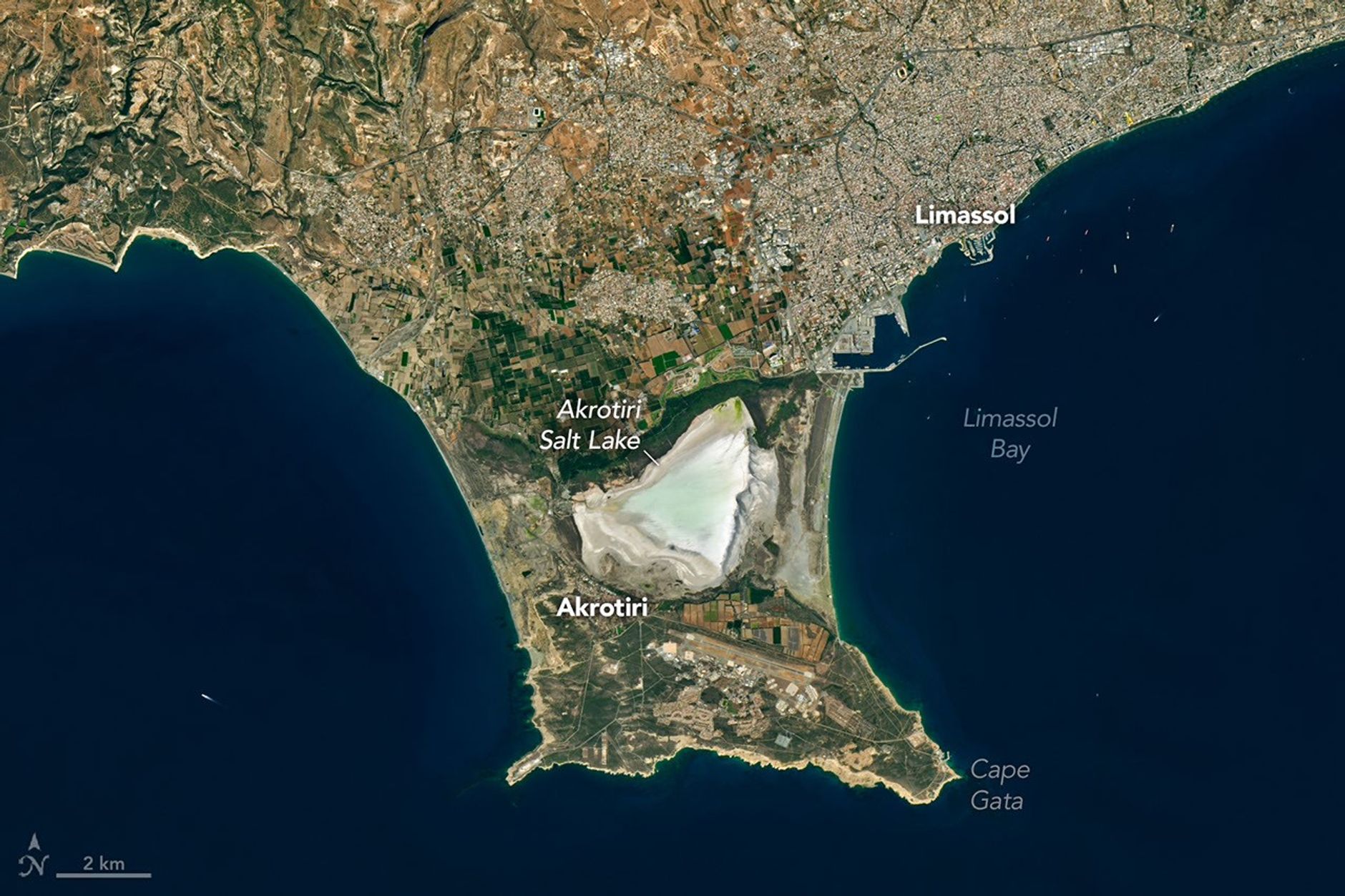
The island of Cyprus began to form some 90 million years ago during the Late Cretaceous , with molten rock pouring from the seafloor, solidifying, and building new oceanic crust .
MIT researchers have developed a new memory system for robots that identifies and corrects incorrect descriptions in their stored memory. The system, called UQ-DAAAM, compares multiple descriptions of the same object from different viewpoints to quantify uncertainty and select additional views to reduce it. This method could make household or industrial robots better at performing complex tasks and working alongside human collaborators.
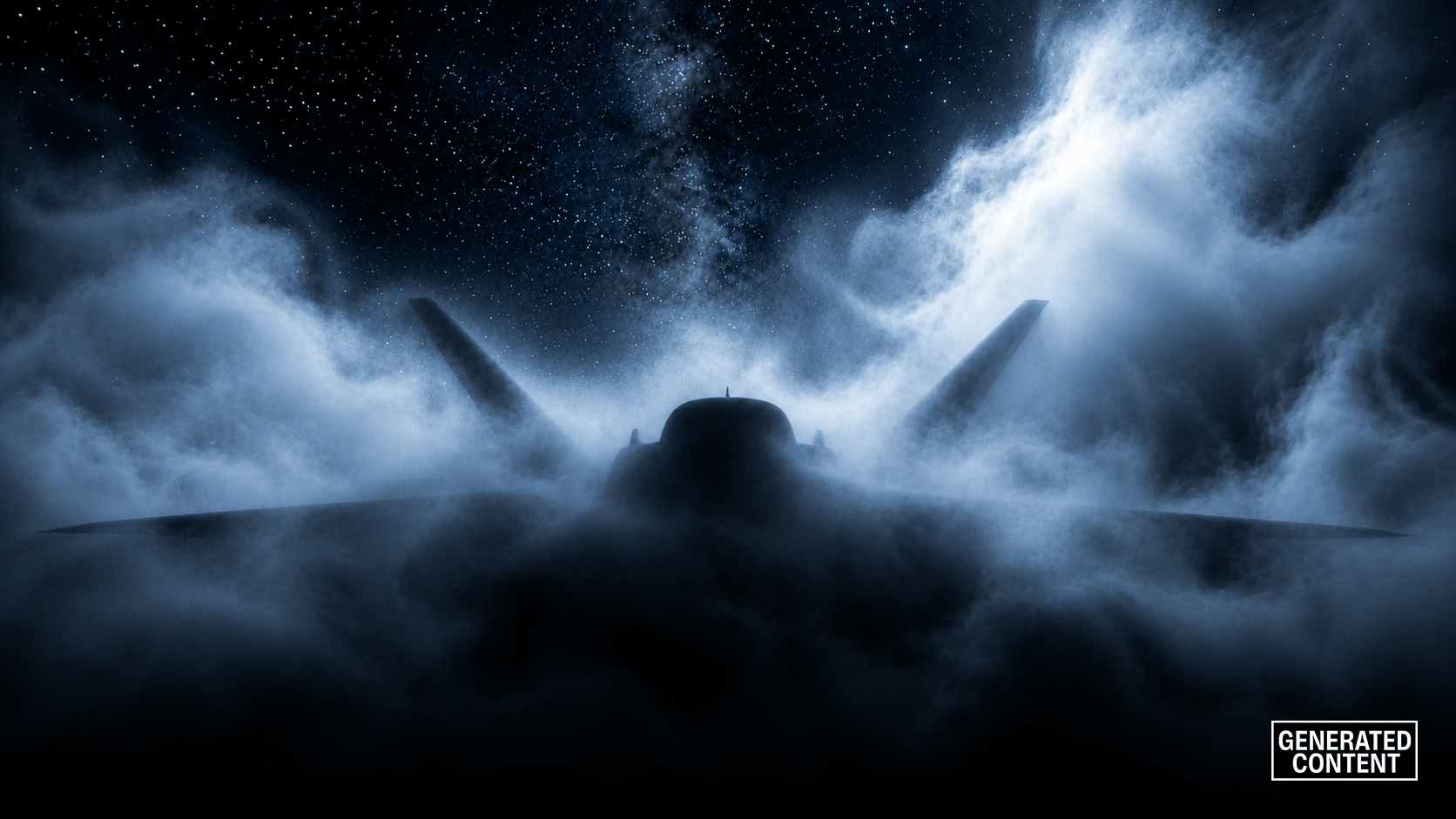
NASA announced the X-70 Fractal, a crewed high-performance experimental aircraft designed to accelerate advanced aviation technology development. Featuring advanced flight-control and payload capabilities, it will explore aircraft maneuverability and conduct research across various conditions. The aircraft, with a takeoff weight of 10,000 pounds, will reach altitudes of up to 45,000 feet and provide an operational range exceeding 1,726 miles. NASA aims for its first flight within the next two years.
NASA··1 min read
LESS NOISE. MORE SIGNAL.
A little further into the unknown.
Follow our open news feed. No inbox clutter. Just the latest dispatches, in your reader.

 Source image · NASA