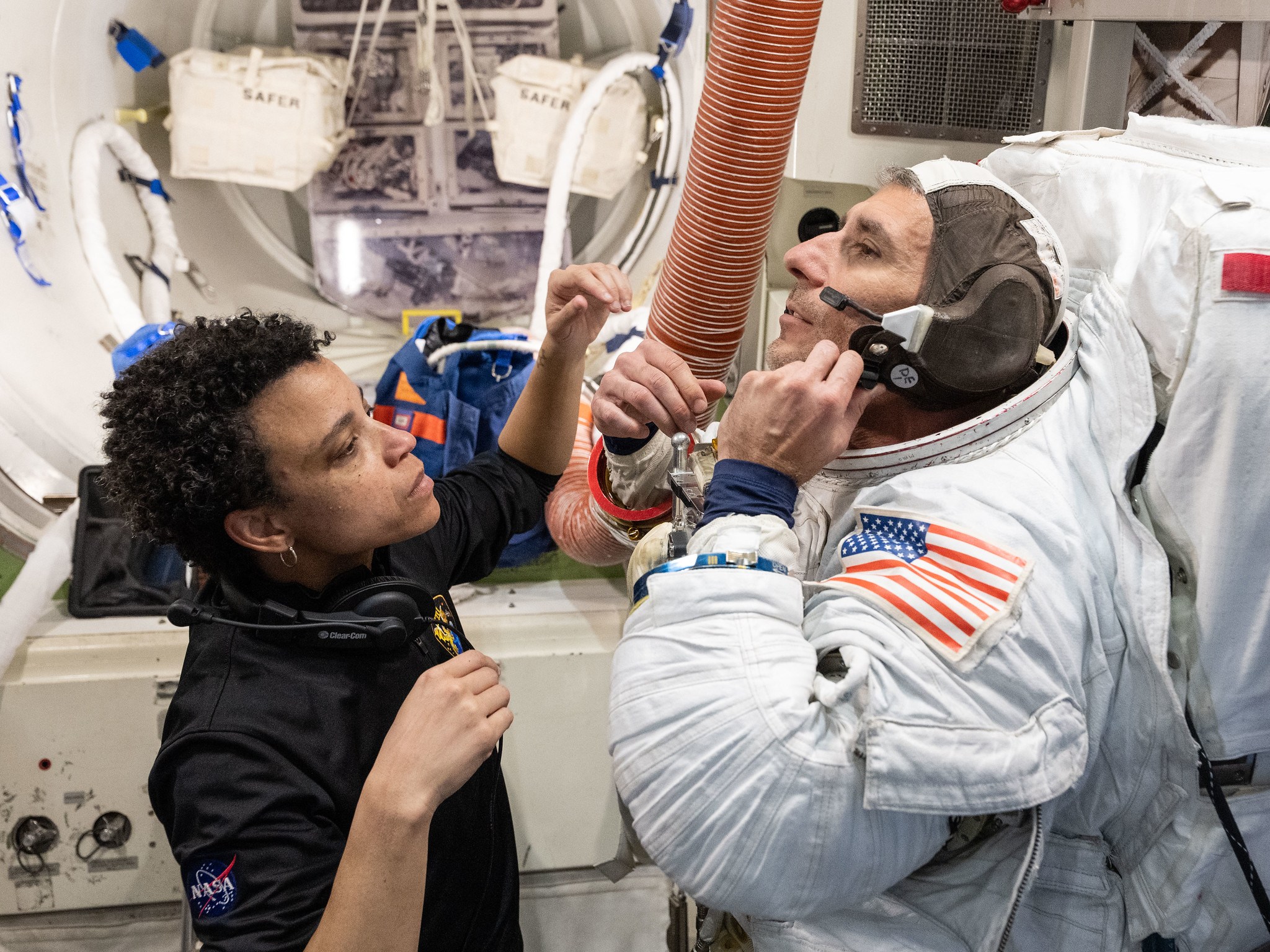
NASA astronauts Jessica Watkins and Luke Delaney will answer STEM questions from Florida students aboard the International Space Station. The event, hosted by Sally Ride Elementary School, will stream live on NASA's Learn With NASA YouTube channel. This unique opportunity aims to deepen understanding of space exploration and STEM careers.
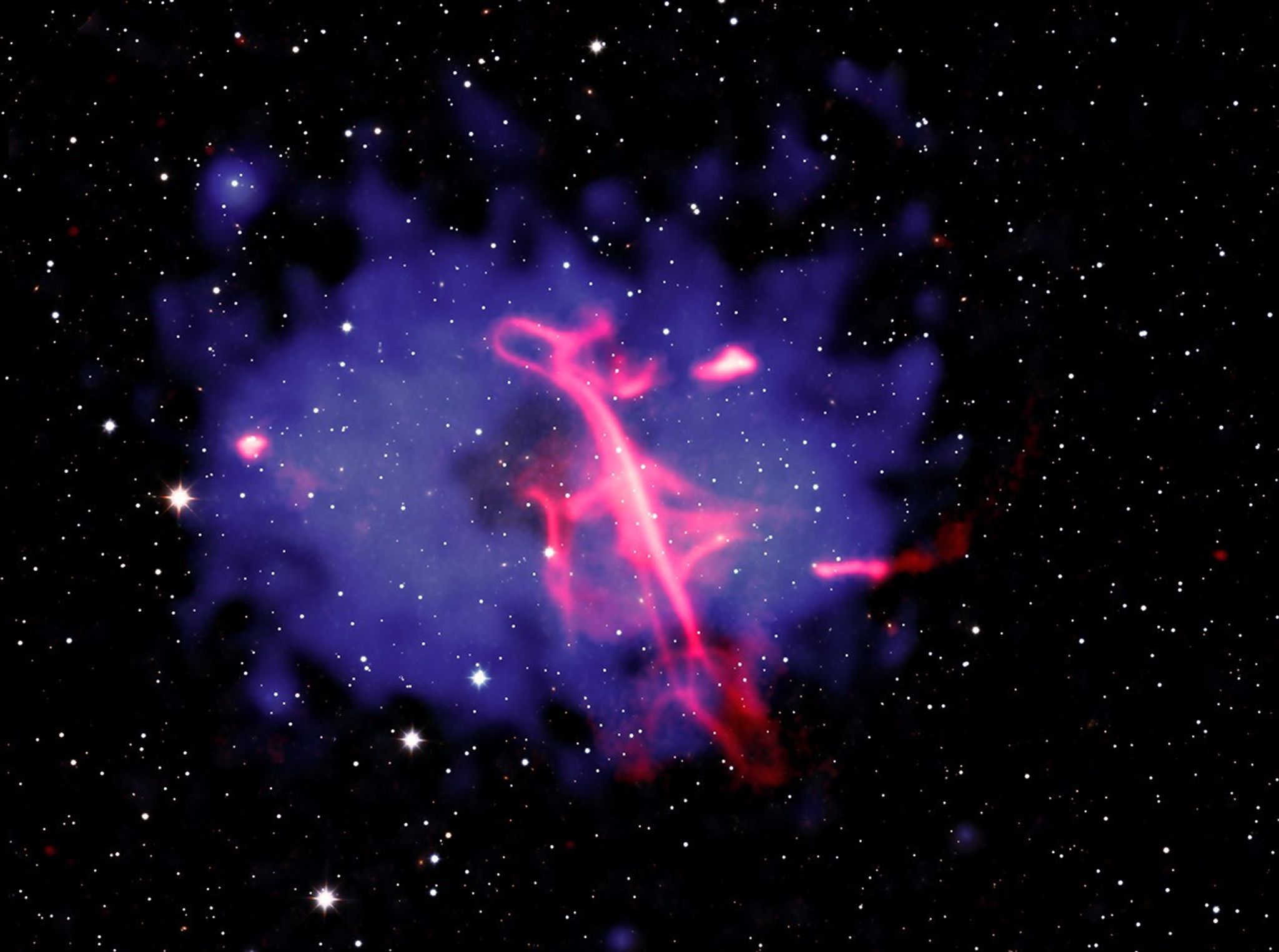
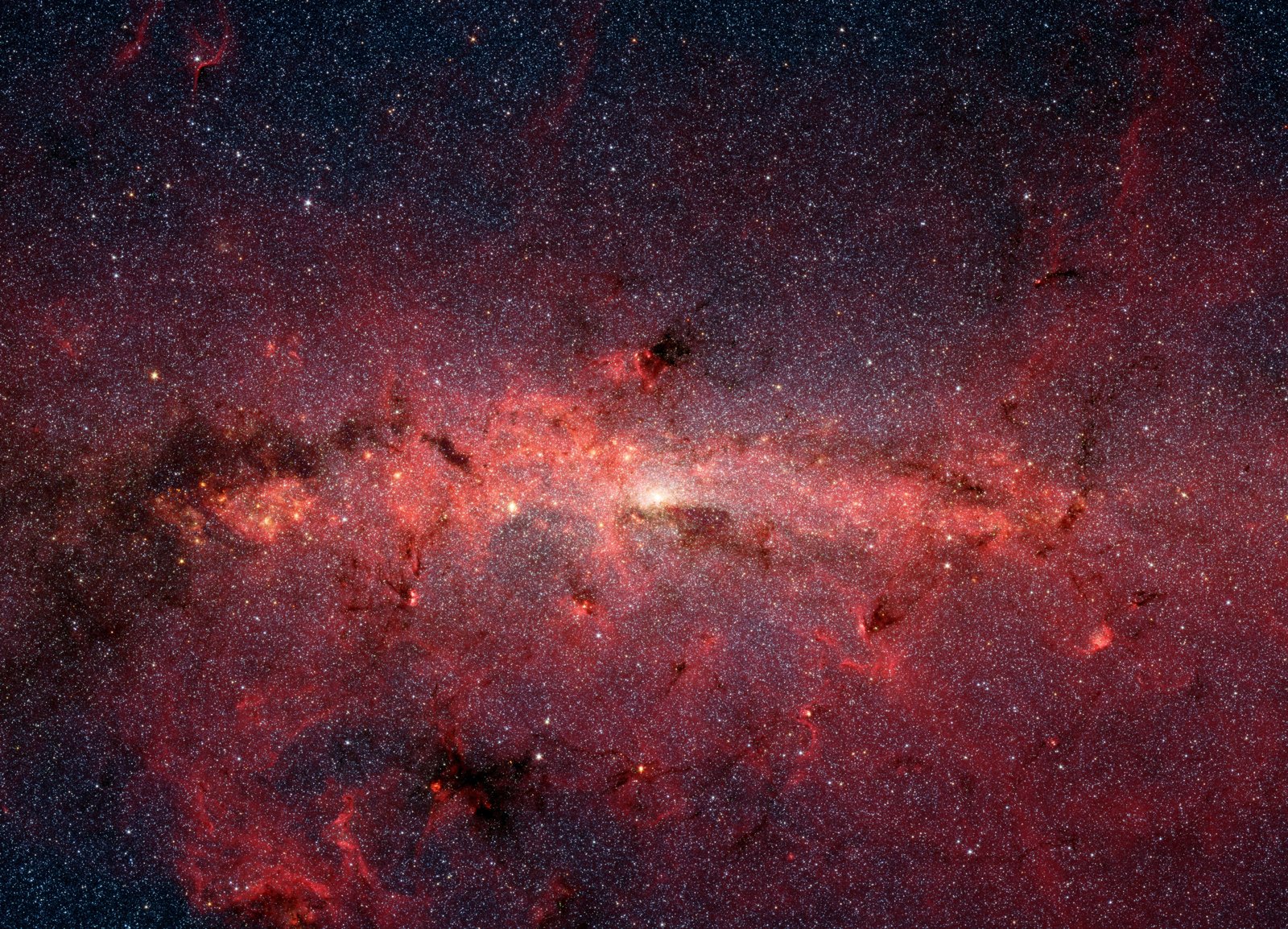
Astronomers using NASA's Chandra X-ray Observatory have identified the cause of a distinctive formation of radio waves, dubbed the 'Treble Clef,' in a galaxy cluster collision. The structure is likely due to an outburst from a supermassive black hole followed by the collision of two galaxy clusters. The discovery provides insight into the formation of galaxy clusters and the behavior of supermassive black holes.
Google Research is showcasing tools that put never-before-possible insights and capabilities into the hands of scientists, developers, and others. The company is expanding access to Google Earth AI, a planetary intelligence tool, and introducing new experimental features for Google Earth AI.
Google's Geospatial Reasoning agent, built on foundation models and spatial tools, enables complex spatial analysis and planetary prediction. It's designed for multi-step reasoning and can train custom models autonomously. The agent is expanding experimental access through Ask Google Earth and an A2A service.
Deep Review, an AI system designed for rigorous verification of complex documents, including Google Docs and presentations, has launched publicly. Initially designed for academic papers, its capabilities have expanded to cover various domains, including legal and finance. It can be used as an iterative improvement tool during drafting and a verification tool during review. The system aims to address the validation bottleneck in content creation, where the human capacity for verification has remained fixed amid rapid AI-generated content.
Kelvin waves are large-scale, slow-moving ocean waves that don't break onshore like typical waves. They're difficult to see with the naked eye. In this graphic, satellite radar altimetry measurements reveal the sea surface signature of Kelvin waves, showing elevated sea surface heights in yellow and red/orange colors. (Image credit: NOAA Satellites)
Unfortunately, weather forecasts beyond two weeks are notoriously unreliable, making for a tighter window for energy operators, farmers, and emergency response officials around the globe.
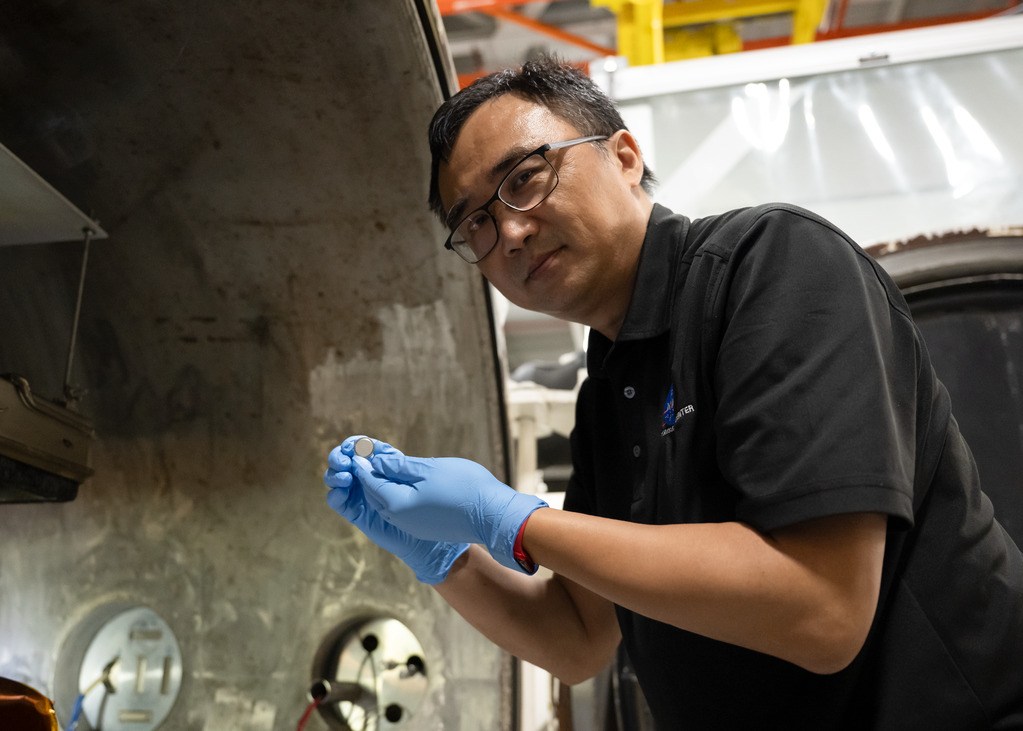
NASA is developing batteries that can function in extreme cold on the Moon's South Pole, crucial for future lunar operations and Artemis campaign. The project, Solid Power for Extreme Environment Adaptability and Resilience in Space (SPEARS), aims to ensure reliable and safe operation of batteries in harsh lunar conditions.
CMS and LHCb researchers have released results on the rare transformation of a beauty quark into a strange quark and two muons. This study, part of particle physics research, provides stringent tests of the Standard Model and hints at the existence of undiscovered particles beyond the current model.
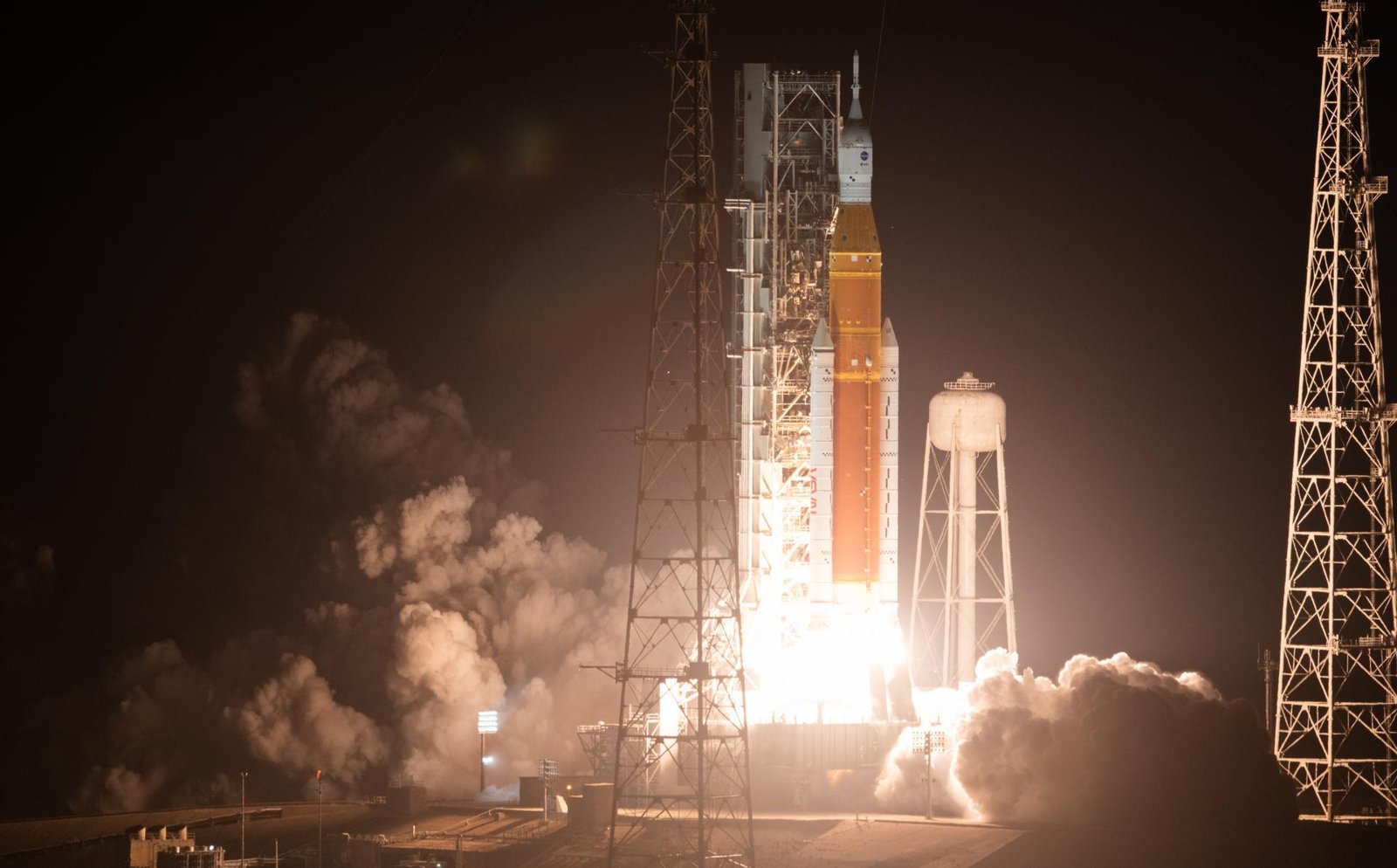
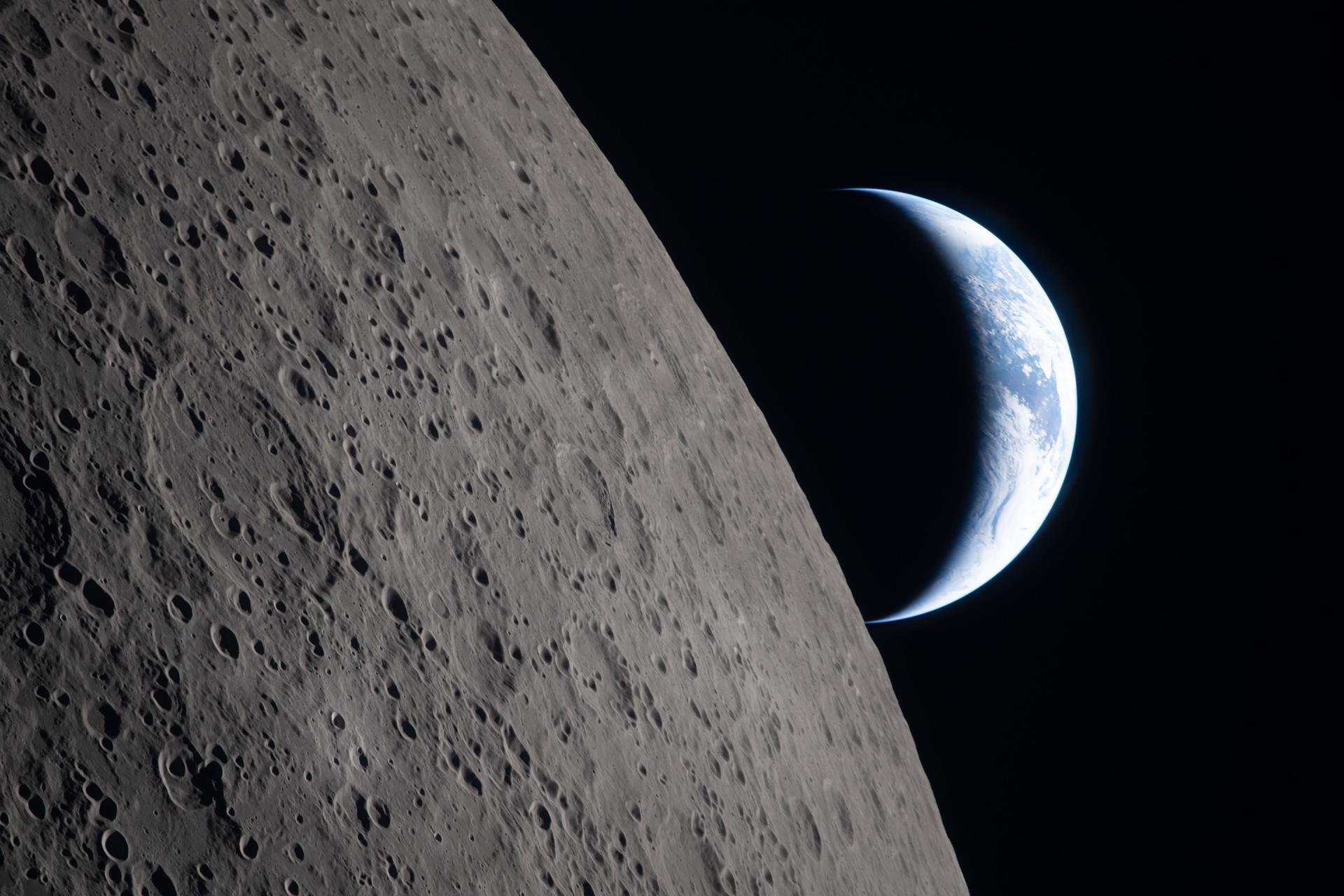
NASA will provide an update on its plans to return American astronauts to the Moon by 2028, including details about Artemis III mission and progress on the 2028 timeline. The update will also highlight the agency's focus on lunar exploration and human presence on the lunar surface.
The public consultation for the Future Circular Collider (FCC) project in France and Switzerland concluded on October 1 and 2, respectively. Over 3,500 registrations were received for events organized during the four-month consultation period. The process involved two exercises tailored to the two Host States: a consultation exercise in Switzerland and a public debate in France. Results will be published in early December. This initiative aims to provide the public and CERN with a better understanding of the project and its complexity.
CERN is hosting an exhibition titled 'Why? It matters.' Matière à questions invites the public to explore big questions, challenges, and decisions shaping the future of particle physics. Visitors will discover current thinking on future research, including mysteries of the Universe, technological challenges, and possible future accelerators. The exhibition also highlights the collaborative process of shaping the next decades of research.
CERN's Service Desk aims to improve call quality by enhancing its quality assurance process. They ensure relevant and appropriate responses, correct procedures, and Code of Conduct respect. Consent for call recordings is given, with recordings stored for one month for quality checks. Feedback helps deliver better service.
The European Space Agency's Mars Express has captured a stunning image of Amazonis Mensa, a flat-topped mountain on Mars that stands three kilometers above the surrounding plains. The mountain, part of an ancient region sculpted by lava, wind, and space rocks, is one of three similar features on the planet. The image is interactive, allowing users to explore its features in detail.
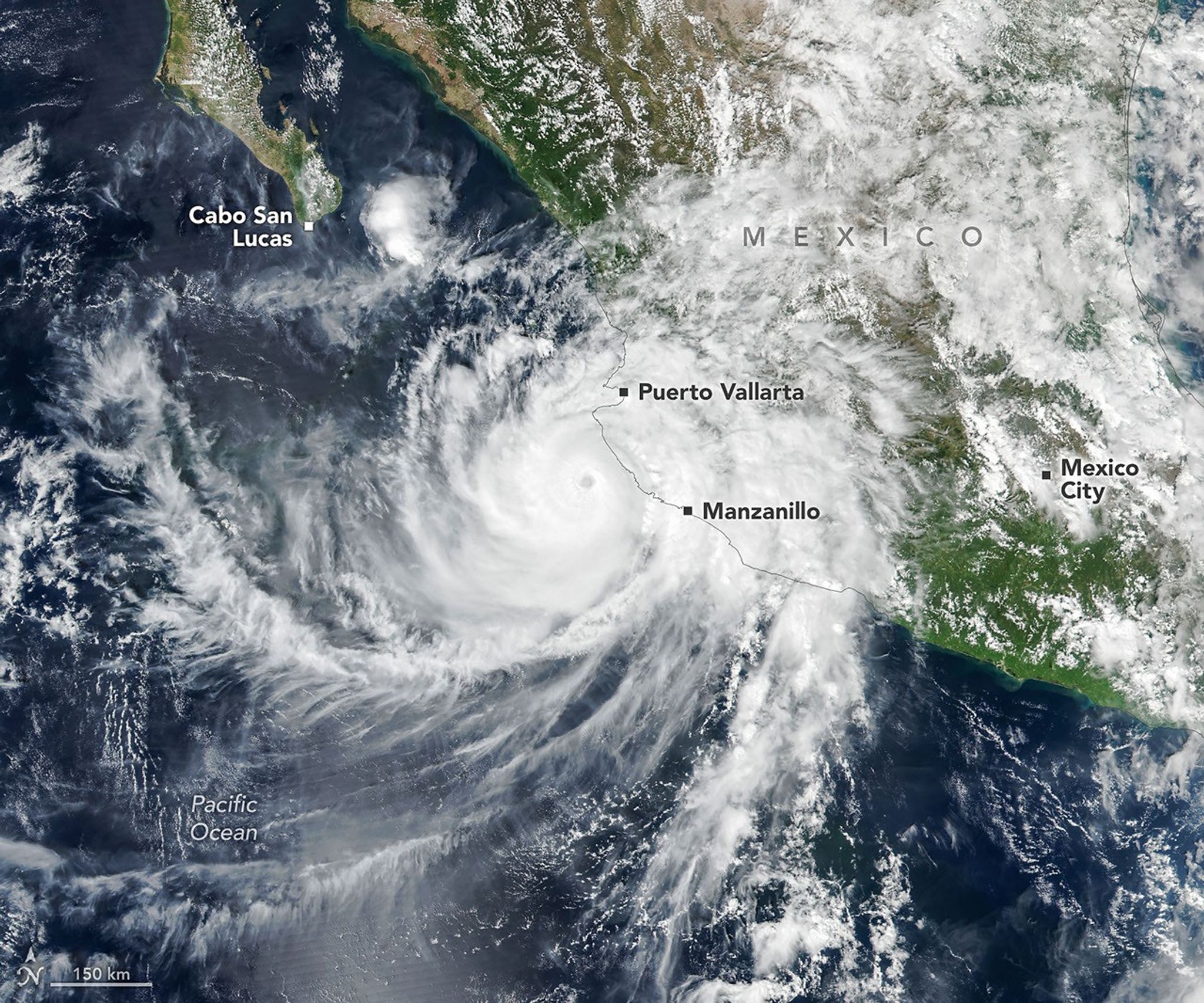
Hurricane Simon, the latest in a long progression of tropical cyclones in the Eastern Pacific this season, passed close to the Mexican coast as a category 4 storm on October 11, 2026.
NASA··1 min read
LESS NOISE. MORE SIGNAL.
A little further into the unknown.
Follow our open news feed. No inbox clutter. Just the latest dispatches, in your reader.

 Source image · NASA