Researchers at the National Institute of Standards and Technology (NIST) and their colleagues have demonstrated a new way to generate a miniature tape measure for light.
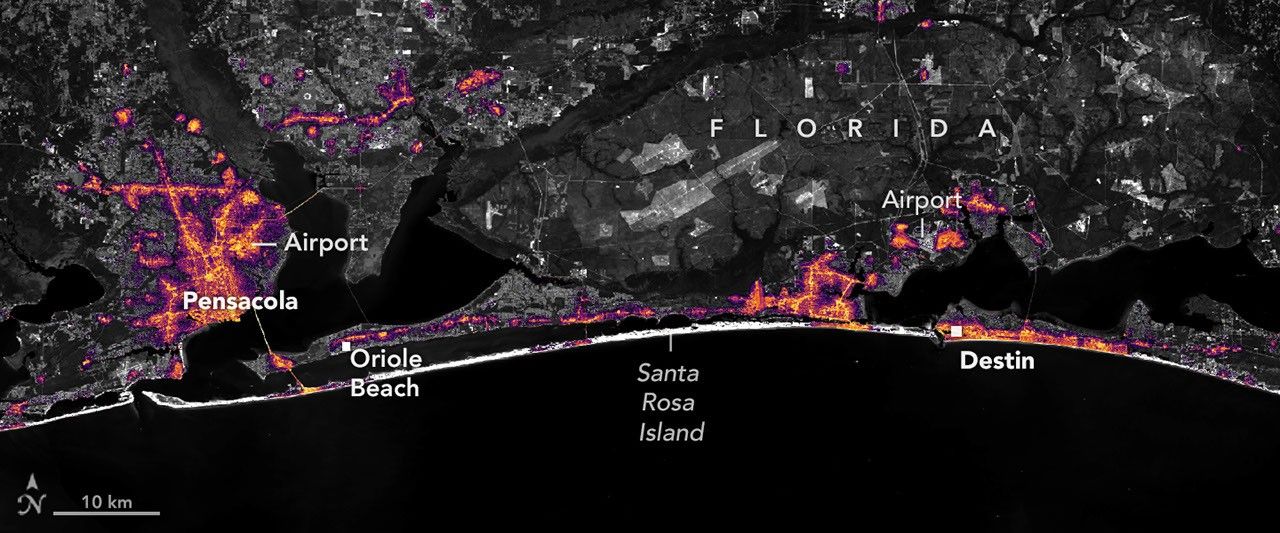
Isaias, the first hurricane of the 2026 Atlantic season, hit the Gulf Coast with heavy rain, flash flooding, and high winds. It made landfall near Destin, Florida, as a Category 2 hurricane, causing widespread damage and power outages. Satellite images show a decrease in nighttime lights west of the storm's eye, indicating the storm's impact.
When corporate leaders discuss climate strategy, the message that still dominates is that, despite competing priorities and external pressures, sustainability matters.
Scientists have developed an AI model that can decode the language cells use to communicate, which could help understand how tissues develop and how diseases occur. The model analyzes signaling pathways that translate external signals into specific changes in gene activity in cells, offering a powerful way to study tissue development and disease.
NASA is playing an important role in JAXA's MMX mission to Mars' moons, aiming to characterize and determine the origin of Phobos and Deimos and deliver a sample of Phobos to Earth. The mission, scheduled for launch from Japan on Oct. 19, will bring paradigm-shifting science on the Mars system, especially as NASA prepares to send the first humans to Mars. NASA's contributions include the MEGANE spectrograph, P-Sampler technology demonstration, and support from the Deep Space Network.
NASA is tracking a historic 2026 El Niño, a rare climate pattern that flips trade winds, redistributes ocean heat, and raises sea surface height. NOAA predicts a 83% chance of the strongest El Niño since 1950. The phenomenon is already affecting people around the world, including farmers, firefighters, and coastal communities. NASA is monitoring the event through satellite imagery.
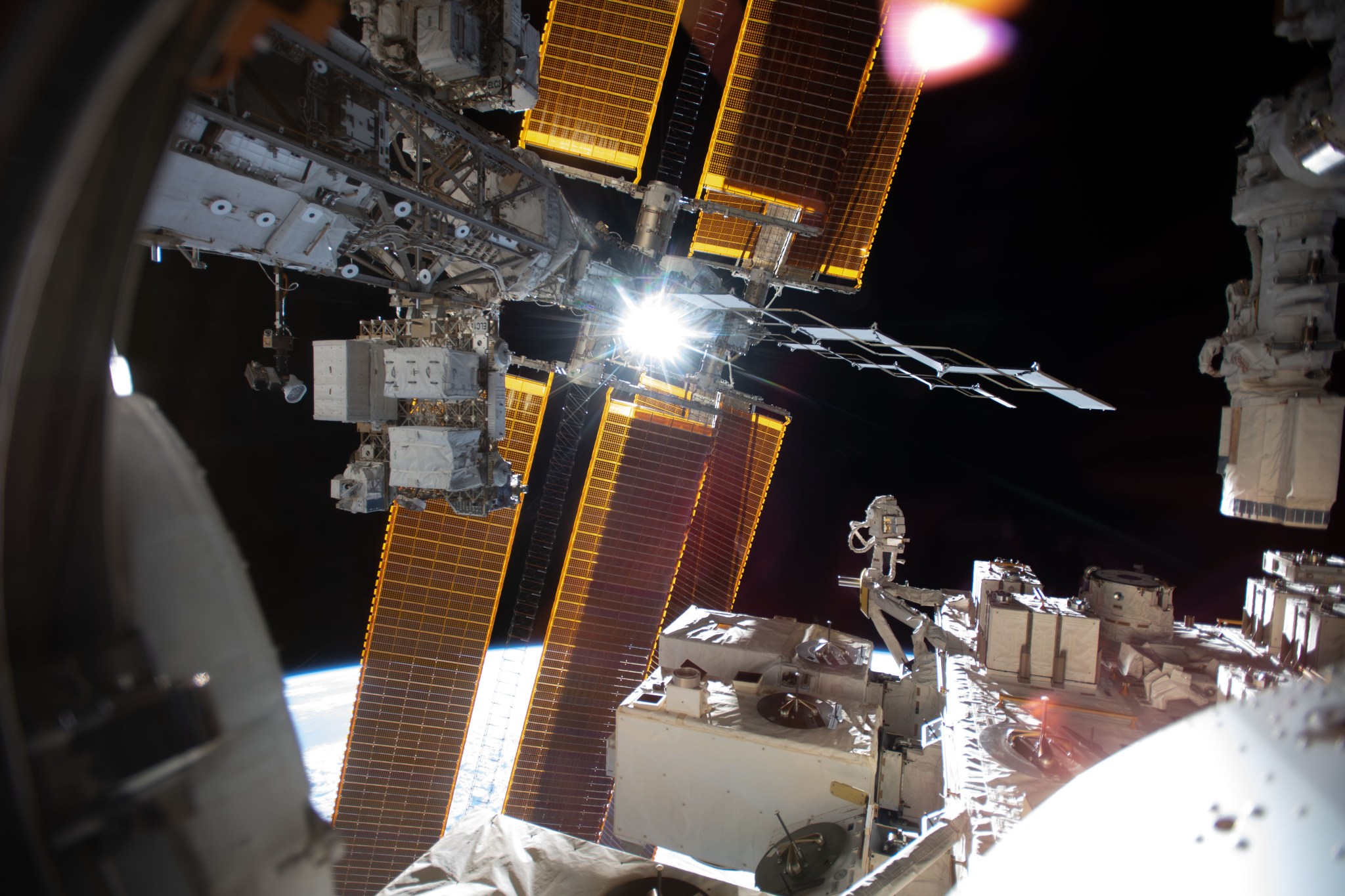
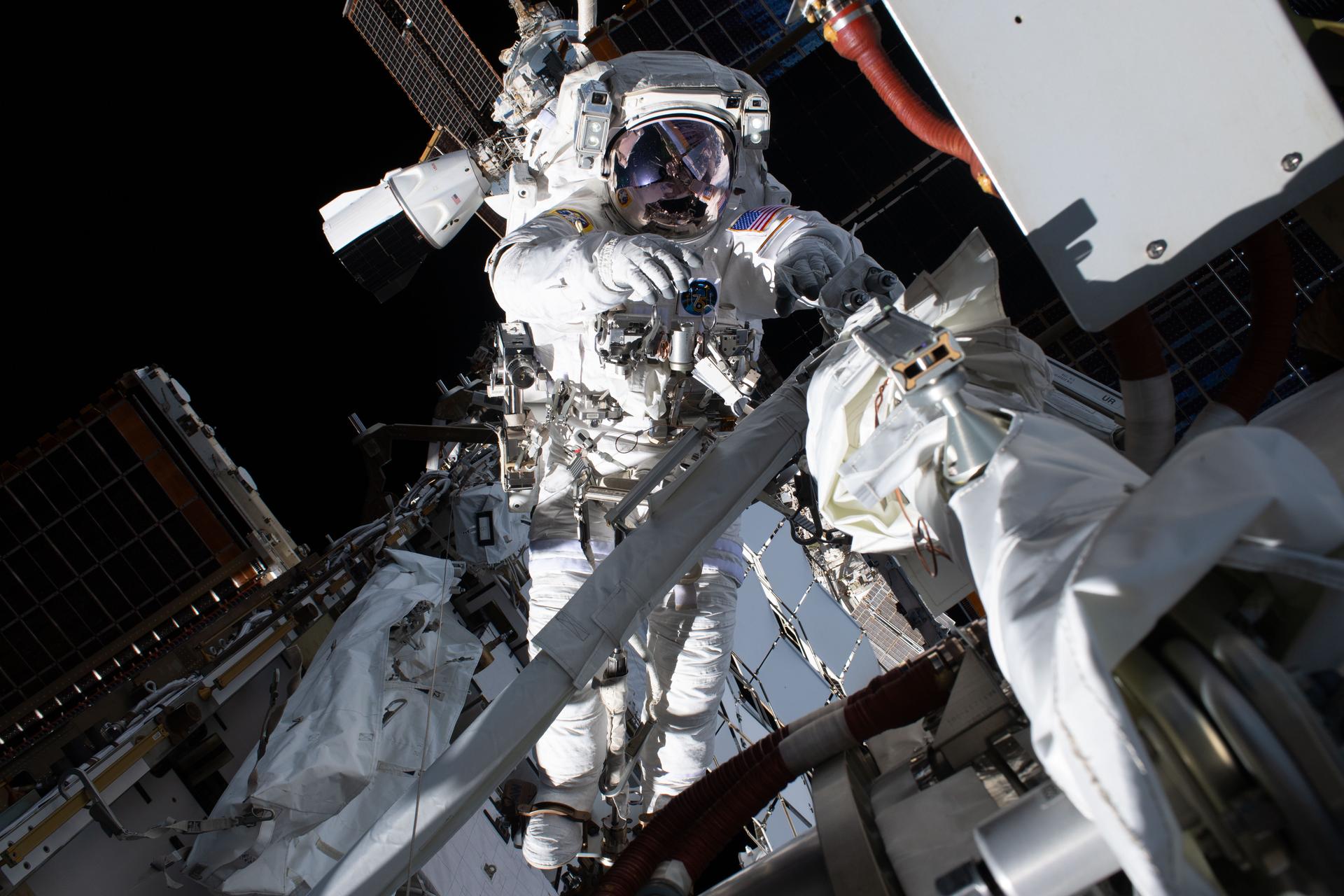
NASA installed eight new solar arrays on the International Space Station, increasing its power generation by over 160 kilowatts. These arrays, designed by Redwire, are half the size of the station's legacy arrays and reduce launch mass and volume. The upgrade supports research and operations and prepares for future deep space exploration.
Registration is open for the 2026 NASA Space Apps Challenge, a two-day global event on Saturday, Nov. 14 and Sunday, Nov. 15, where teams work to create
NASA has selected 12 U.S. institutions to receive $12 million to accelerate academic research and technology development in support of the agency's priorities for exploring the Moon, Mars, and deep space. The M-STAR initiative supports the agency's mission to develop innovative technologies for long-duration operations on the Moon and eventually, Mars.
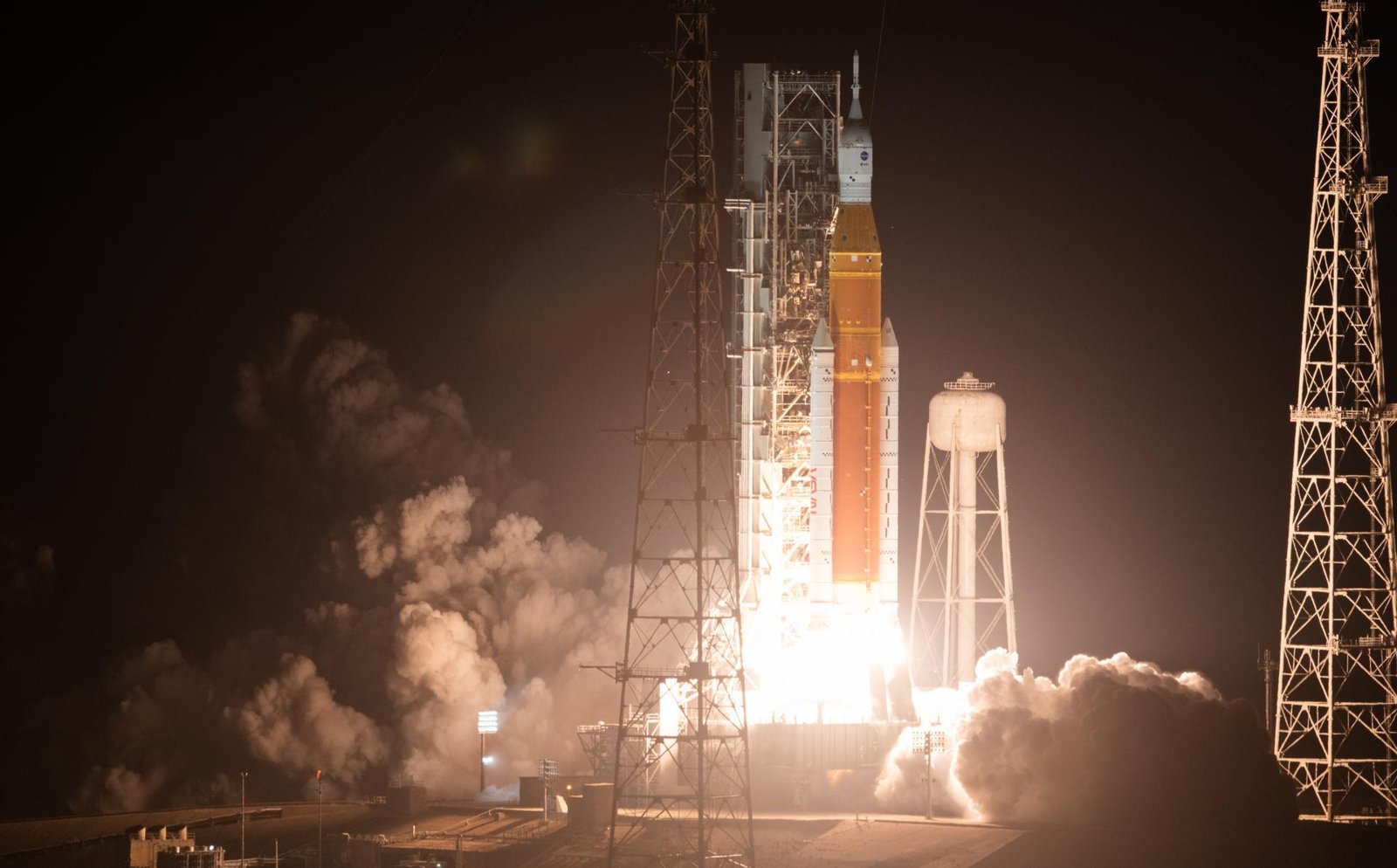
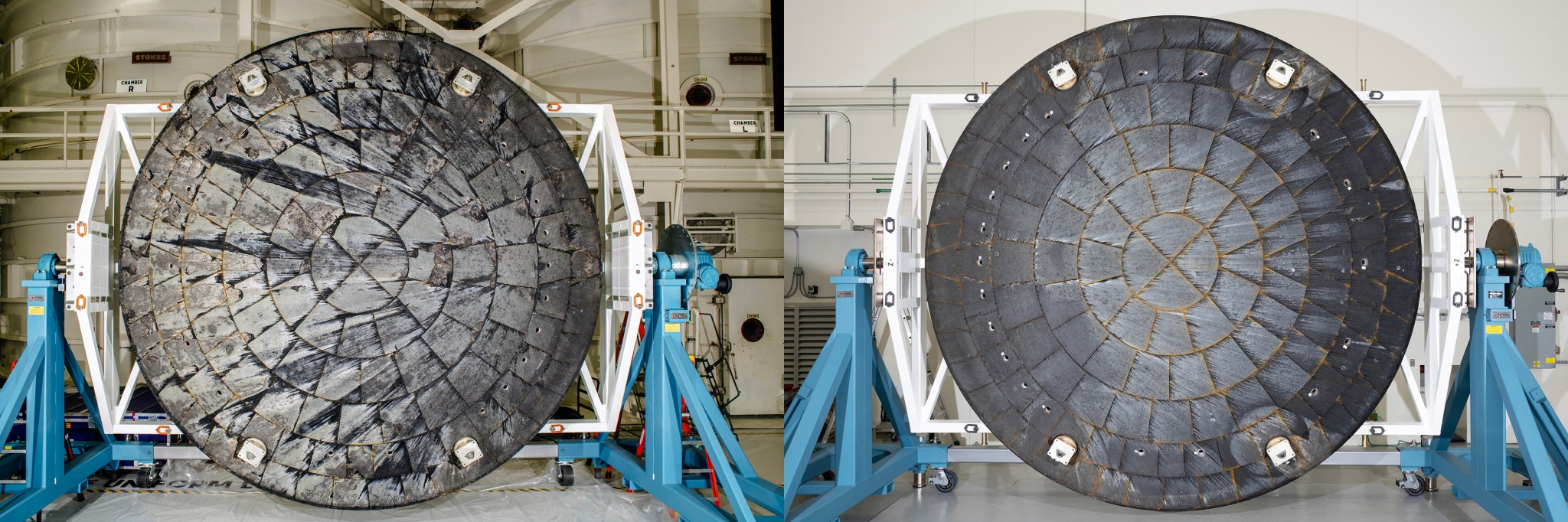
After NASA’s thorough analysis of Artemis I heat shield findings , informed by extensive arc jet material testing at NASA’s Ames Research Center in California’s Silicon Valley, the agency modified Orion’s reentry trajectory for Artemis II by shortening the maximum downrange distance the spacecraft could fly between when it entered Earth’s atmosphere and splashed down in the Pacific Ocean.
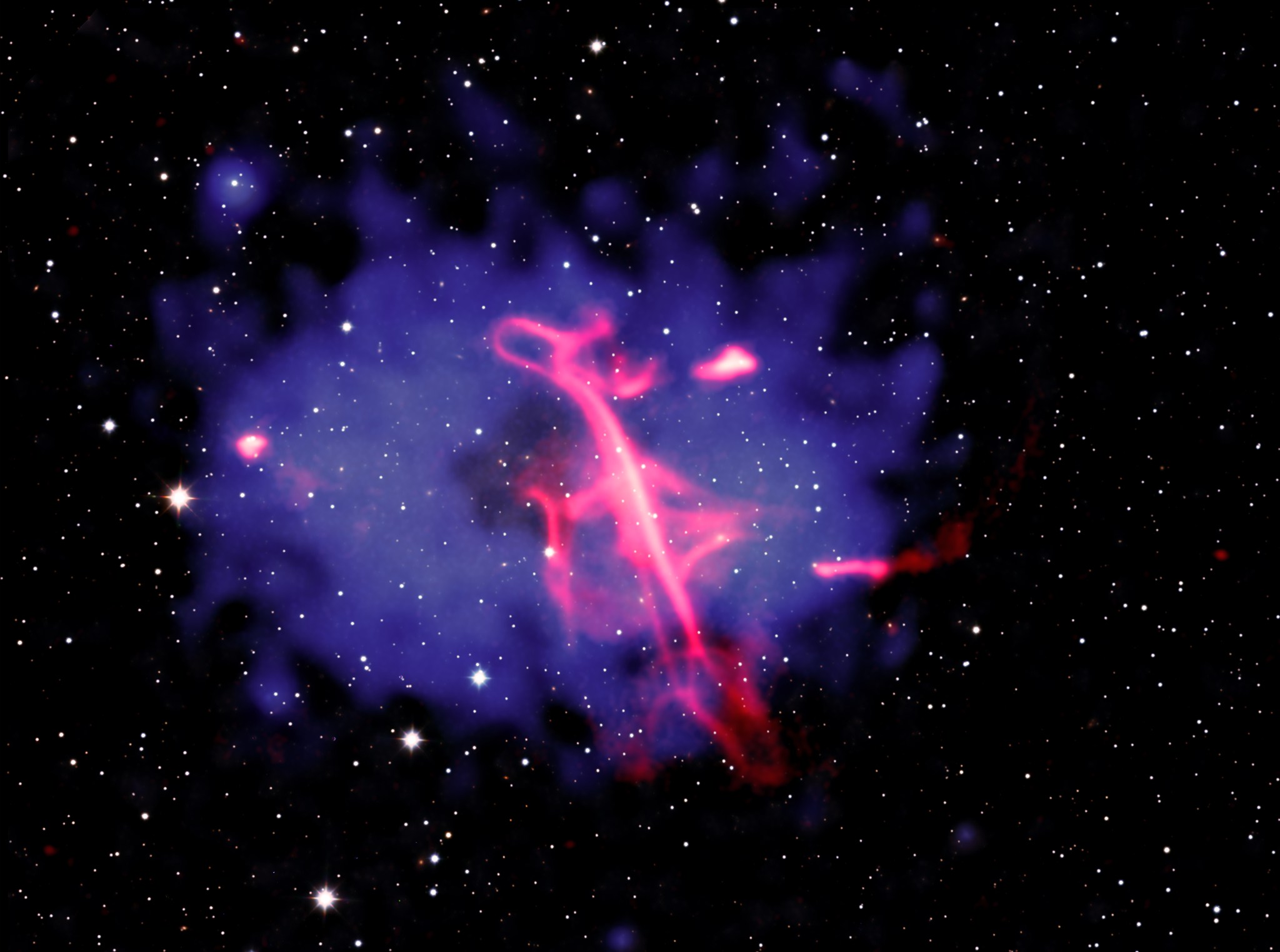
A formation of radio waves, resembling a treble clef, has been identified by NASA's Chandra X-ray Observatory. The discovery suggests the waves are likely caused by an outburst from a supermassive black hole followed by a collision of two galaxy clusters. The image was captured on October 14, 2026.
Governments can rebuild public trust by partnering with trusted private organizations, as shown by a study in Kenya. The study found that highlighting the role of a telecommunications company increased portal usage but hurt trust in government. This approach can help solve problems requiring public cooperation and improve service delivery efficiency.
NASA will hold a news conference on Oct. 20 to preview two upcoming U.S. spacewalks. During the event, NASA astronaut Anil Menon and Canadian Space Agency astronaut Joshua Kutryk will install and deploy the seventh and eighth roll-out solar arrays on the International Space Station. The arrays will provide additional power to support critical station operations and increase the station's electric power generation capacity by up to 30%.
The 2026-2027 U.S. Winter Outlook map for precipitation shows wetter-than-average conditions are most likely across the Southwest, South and East Coast.
NOAA··1 min read
LESS NOISE. MORE SIGNAL.
A little further into the unknown.
Follow our open news feed. No inbox clutter. Just the latest dispatches, in your reader.

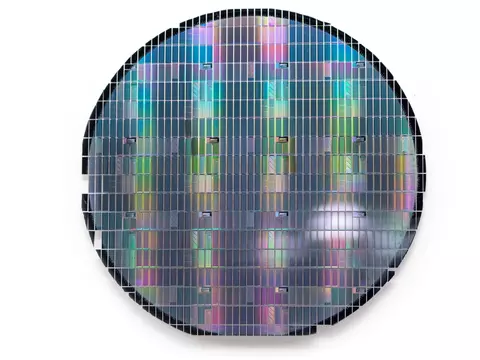 Source image · Grégory Moille/JQI, NIST