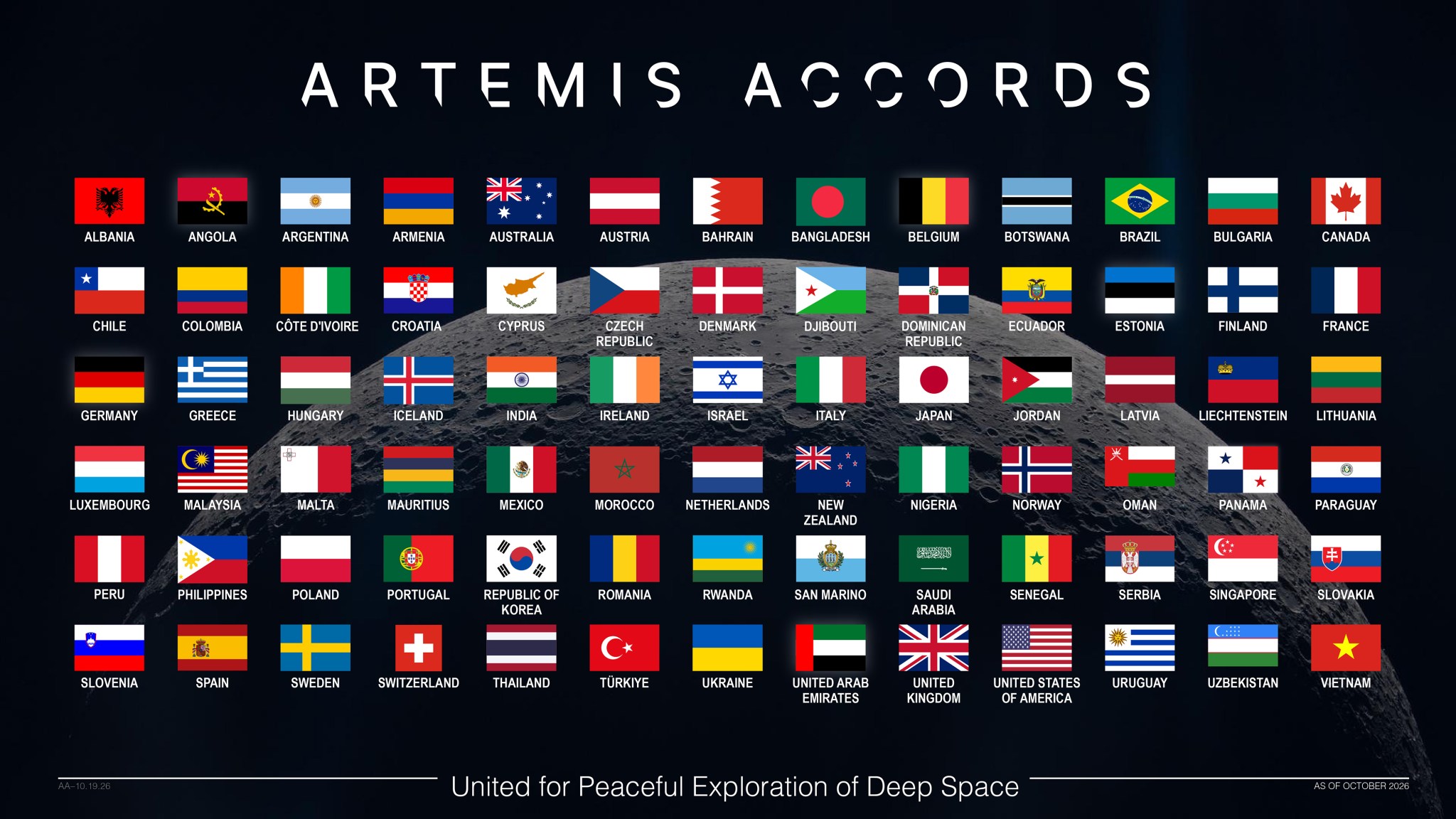
Vietnam became the 78th nation to sign the Artemis Accords, joining a coalition of like-minded nations committed to peaceful, transparent, and responsible space exploration. NASA Deputy Administrator Matt Anderson welcomed Vietnam's participation, emphasizing the alignment on principles and opportunities for collaboration. Vietnam's Minister of Science and Technology signed the accords during the Vietnam International Digital Week. The partnership extends over 30 years of cooperation, advancing peace, stability, and prosperity in the Indo-Pacific region.
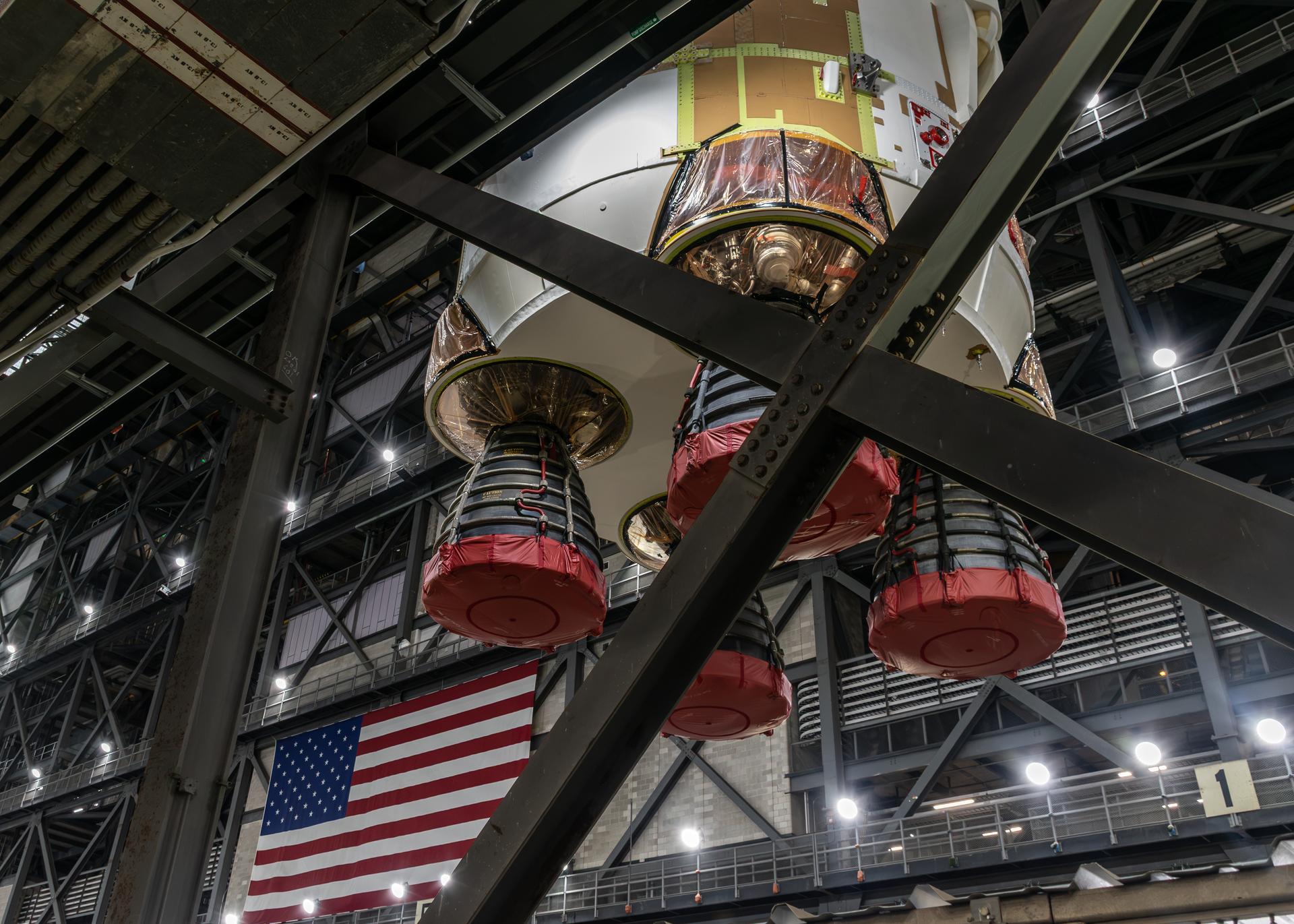
NASA's Artemis III SLS core stage was integrated with twin solid rocket boosters on Oct. 28 at Kennedy Space Center. The core stage will be tested with liquid hydrogen and liquid oxygen fuel before a tanking test to practice countdown procedures and rendezvous and docking capabilities. The mission aims to test rendezvous and docking between Orion and commercial spacecraft before future Moon missions.
A new study from MIT reveals how the APOE4 gene variant disrupts the process of insulating neurons with a fatty sheath, leading to impaired electrical transmission. The research identifies a specific molecular pathway, Wnt signaling, as a key factor in this disruption and demonstrates an intervention to prevent it in lab experiments. The study provides insights into cellular pathways contributing to lipid metabolism defects and has potential for drug development.
Five years ago, Michigan State University engineering student Gavin Gardner was researching drone technology as part of a NASA grant. He faced financial challenges in the research, but now he's using those lessons to found AG3 Labs, a drone company for military training exercises. The NASA University Student Research Challenge (USRC) provides grants to teams of college students in engineering and entrepreneurship.
So far, 2026 has seen a flood of successes for volunteers who do NASA science, exemplifying NASA’s commitment to gold-standard science—transparent, reproducible and intrinsically collaborative.
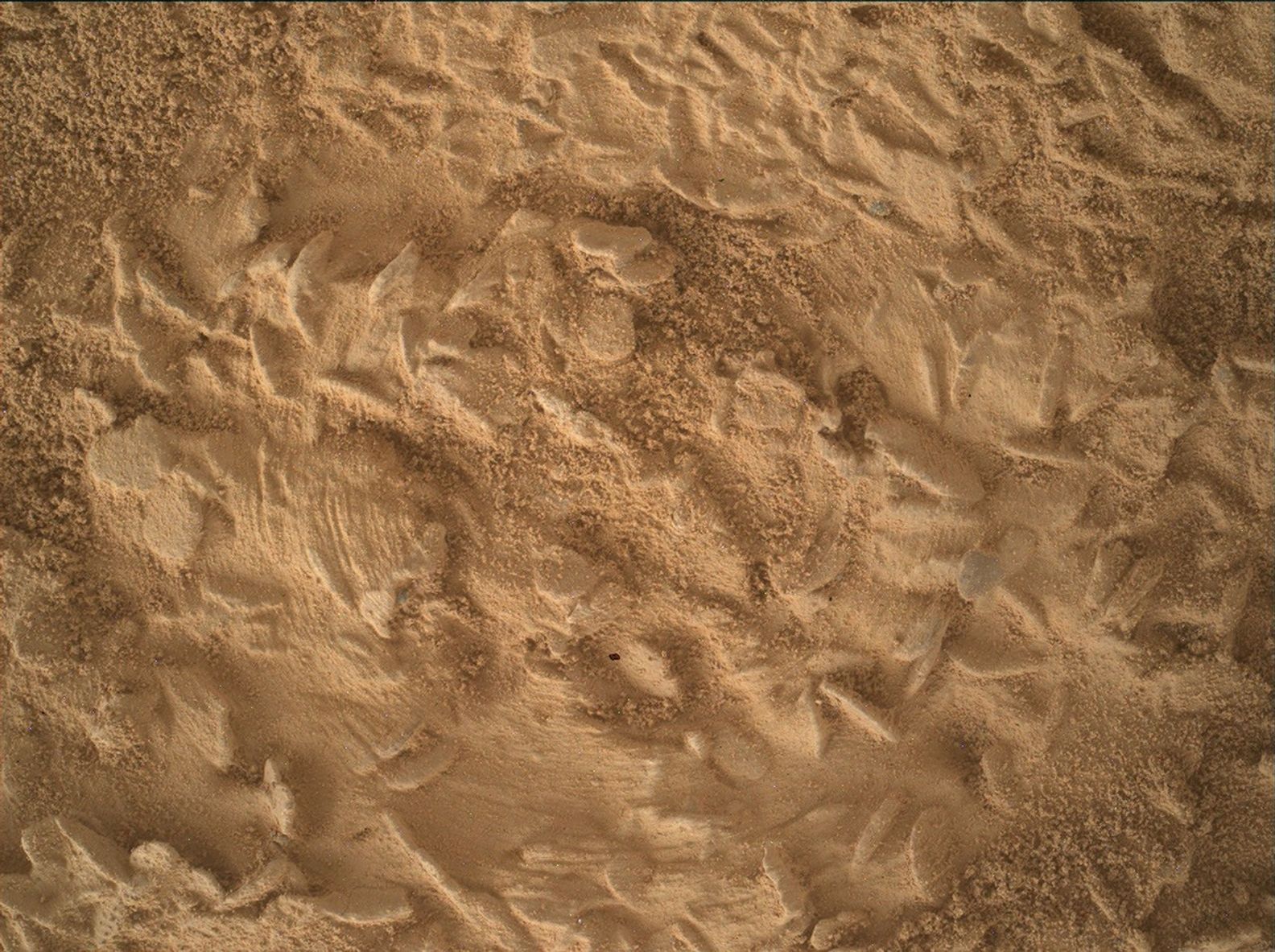
Following the Basque Lakes drill campaign, Curiosity has returned to a spot just a few meters away from the 'Chiu Chiu' block to conduct its next drill campaign. The newly named 'Nazca' site is jam-packed with 'disc- and needle-' shaped lumps, providing clues about the temperature and availability of salts and fluids at the time of growth. The drill preload test is planned to obtain detailed 3D models of the crystal forms and compositional information from deeper layers within a nearby crystal-form-rich target.
Some 27 million years ago, a volcano in what's now southeastern Arizona unleashed a spectacular series of eruptions, strewing more than 1,000 times as much volcanic material across the landscape as Mount St. Helens did in 1980.
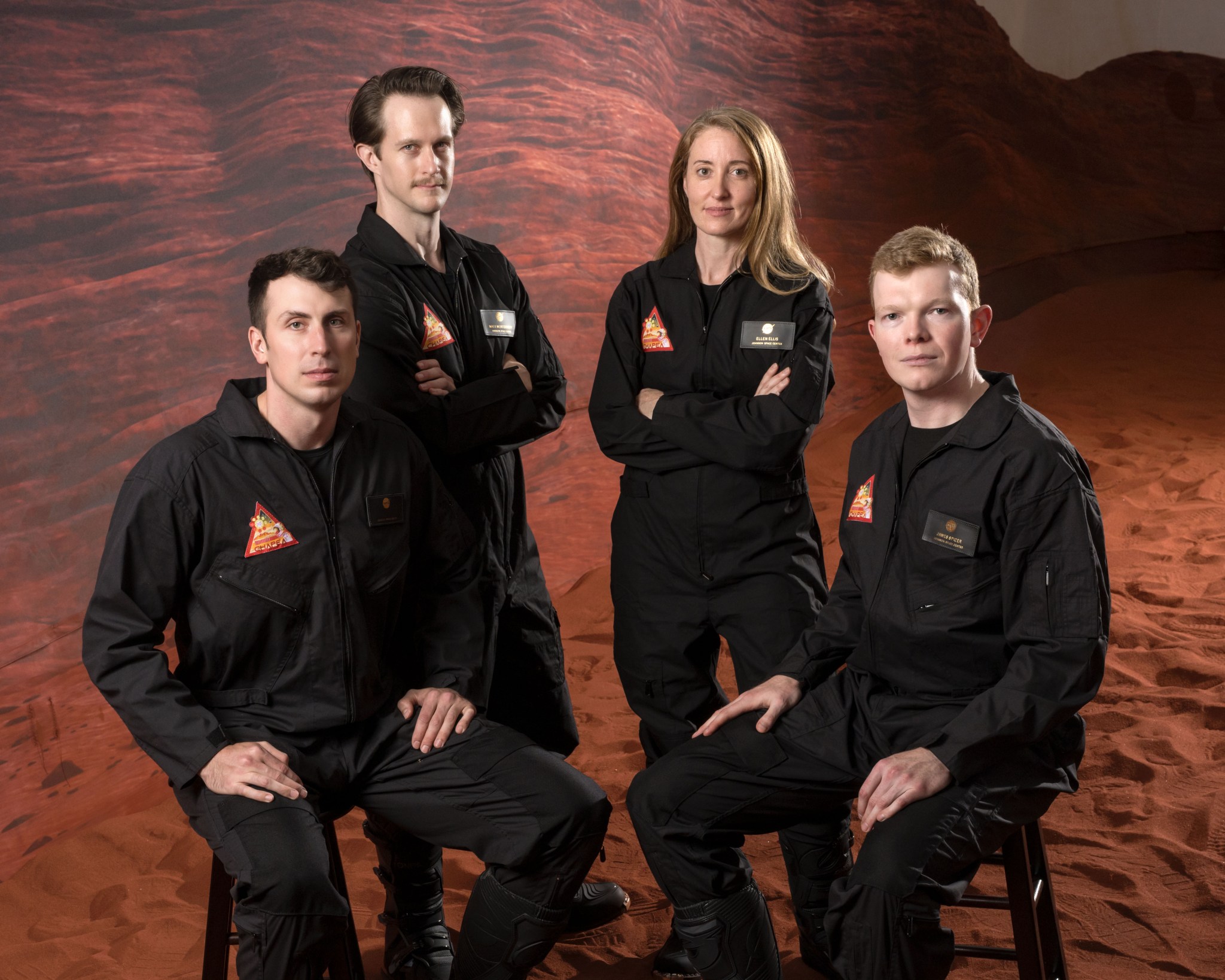
NASA invites media to watch the crew of four volunteers who lived and worked in a simulated Mars mission for over a year depart their habitat on Saturday, Oct. 31. The crew, including Ross Elder, Ellen Ellis, James Spicer, and Matthew Montgomery, will exit the Crew Health and Performance Exploration Analog (CHAPEA) mission habitat, which simulated Mars mission operations, exercise, and other activities under stressors that future deep space crews will likely experience. The CHAPEA mission is part of NASA's Artemis and Moon Base missions.
We introduce a sleep phase in continual learning, enabling large language models to continuously integrate new facts and enhance reasoning while mitigating catastrophic forgetting. Modern LLMs achieve impressive performance via pre-training and in-context learning, but remain static after deployment. The sleep framework allows LLMs to continuously acquire new facts, retain long-context knowledge up to 10M tokens, and improve complex reasoning.
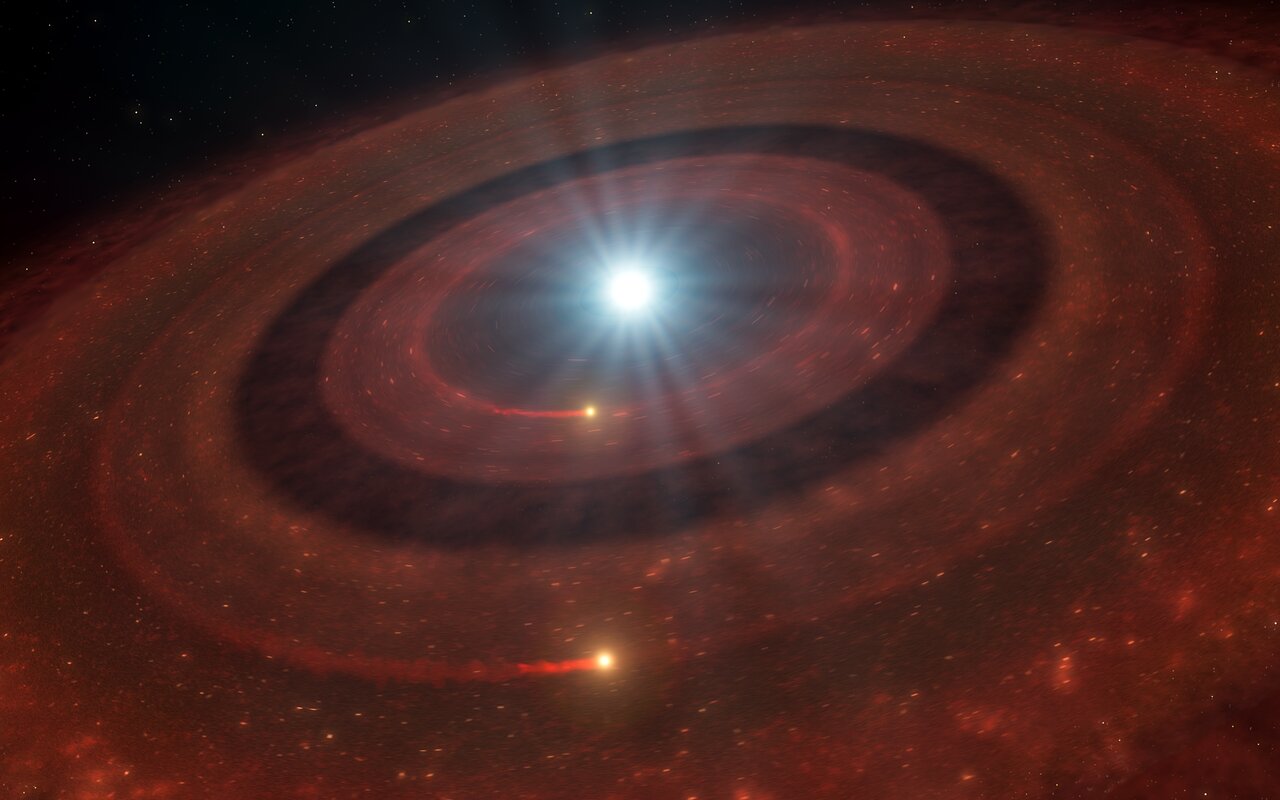
Astronomers using the European Southern Observatory’s Very Large Telescope (ESO’s VLT) have found a rare disc of debris around a dead star that provides a glimpse of what may happen to our Solar System.
The National Institute of Standards and Technology (NIST) has released a guide to help organizations switch to post-quantum cryptography (PQC) standards, which are designed to withstand future quantum computer attacks. The report outlines NIST's approach and timelines for the transition, focusing on different use cases and migration strategies. The document aims to inform federal agencies, industry partners, and standards organizations about the changes needed during the modernization of cryptographic systems.

 Source image · NASA