
 Source image · NASA Earth Observatory/Michala Garrison
Space SOURCE DIGEST
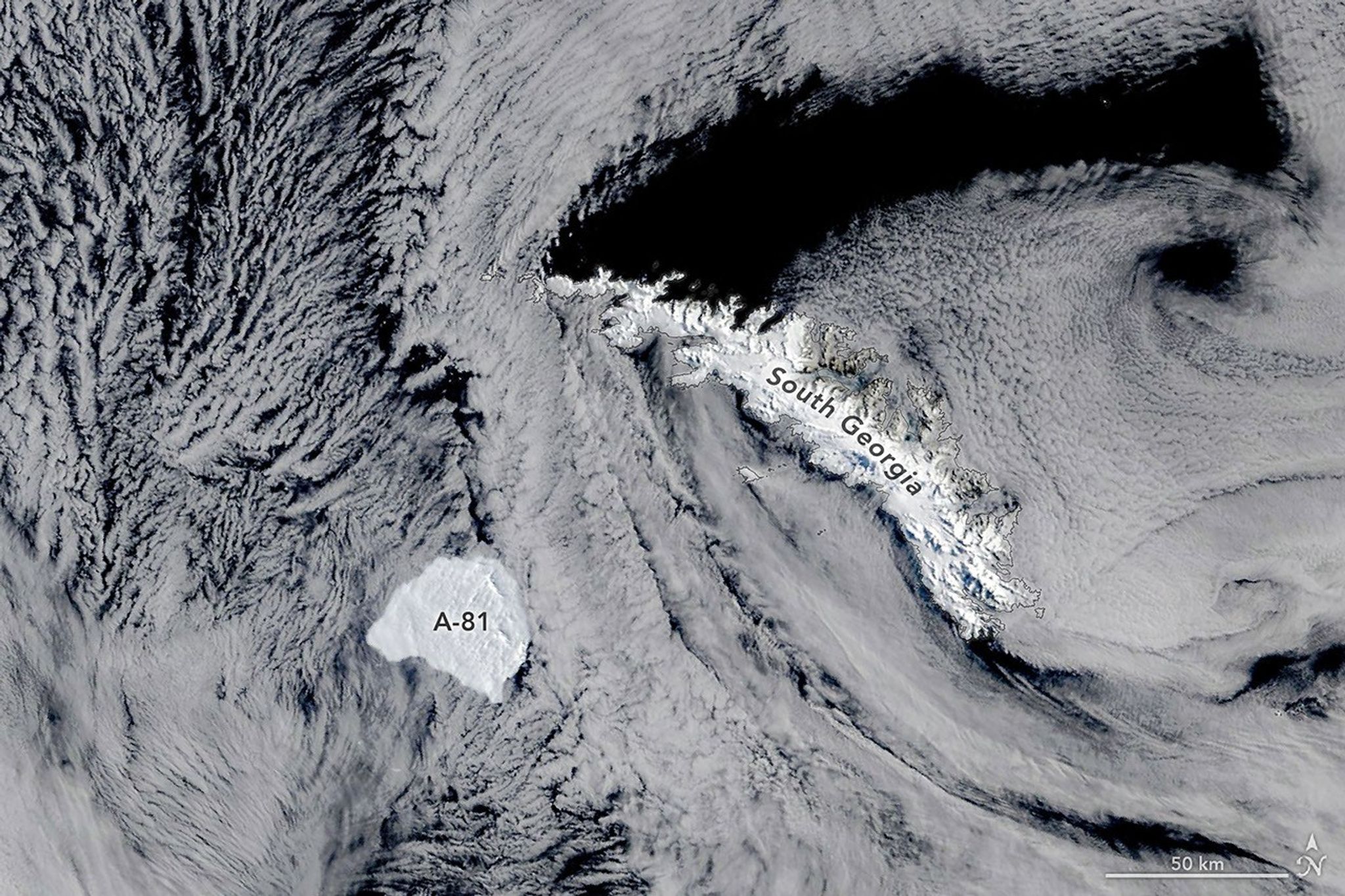
A-81 Reaches South Georgia
Others, like Iceberg A-81, make a faster exit, heading north out of the Weddell Sea along a route well-traveled by the region’s bergs.
164 stories · Source dates are shown for news briefs.
Source image · NASA Earth Observatory/Michala GarrisonOthers, like Iceberg A-81, make a faster exit, heading north out of the Weddell Sea along a route well-traveled by the region’s bergs.
 NASA/JPL-Caltech · Archive image
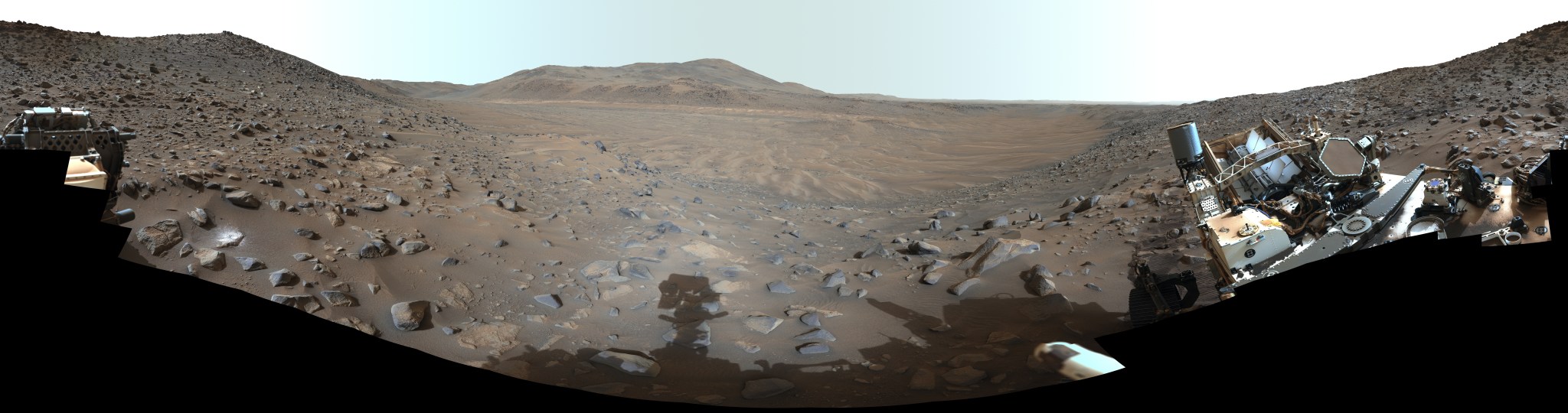
NASA's Perseverance rover captured a 360-degree view of Neretva Vallis, a dusty landscape on Mars, on May 20, 2024. The enhanced-color image shows the area as it was billions of years ago, when it was a river channel feeding into Jezero Crater. This work was done by Arizona State University, Malin Space Science Systems, and the Niels Bohr Institute. The rover was built by NASA's Jet Propulsion Laboratory.
 Source image · NASA/JPL-Caltech/ASU
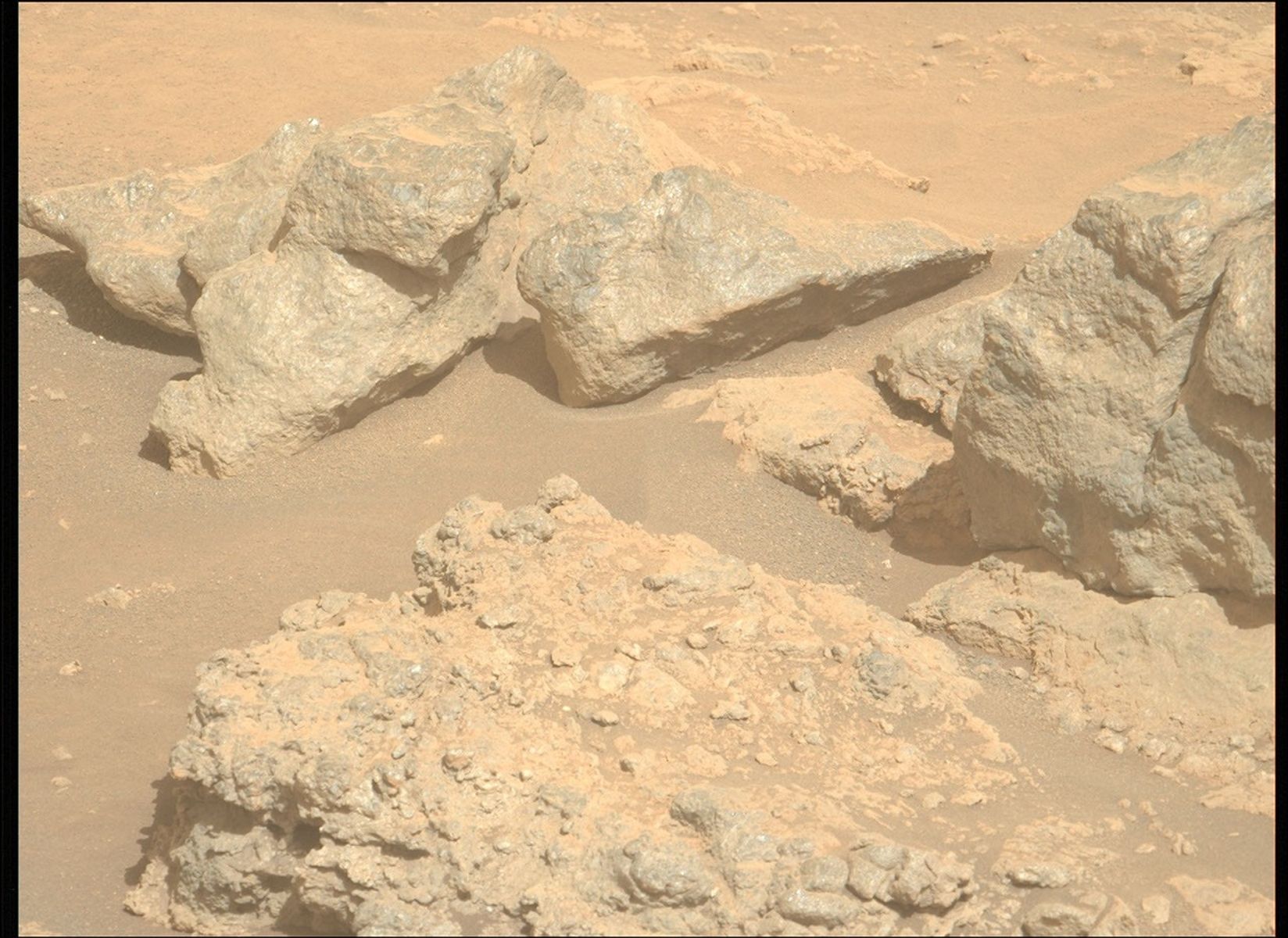
The lowermost unit is likely a polymict (made of many types of rocks) breccia (made of angular clasts).
 Source image · NASA/JPL-Caltech/ASU/MSSS
NASA's Perseverance rover has measured fine and ultrafine Martian dust particles, including those small enough to penetrate the lungs, aiding in spacesuit and habitat design, and informing crew health standards for future Mars missions. The findings, published in Proceedings of the National Academy of Sciences, could improve existing designs before the first American astronauts arrive on Mars.
NASA/JPL-Caltech · Archive imageThe large sunshade of NASA’s Near-Earth Object (NEO) Surveyor is mounted on an assembly ring during inspections in a clean room at BAE Systems Space & Mission Systems in Boulder, Colorado, in July 2026.
 NASA · Archive image
The NASA STEM (Science, Technology, Engineering, and Mathematics) Enhancement in Earth Science (SEES) Internship Program at the University of Texas Center for Space Research places high school students on small, mission-focused research teams mentored by NASA, academic, and industry experts.
NASA · Archive imageNASA invites media to a new lunar landing simulation at Ames Research Center in California's Silicon Valley. The simulation uses motion-based simulators to prepare astronauts and engineering teams for commercial human landing systems. The Artemis program aims for the next lunar landing in 2028. Media will have the opportunity to participate in a Vertical Motion Simulator ride-along and interview experts.
 Source image · NASA/Carla Escamilla
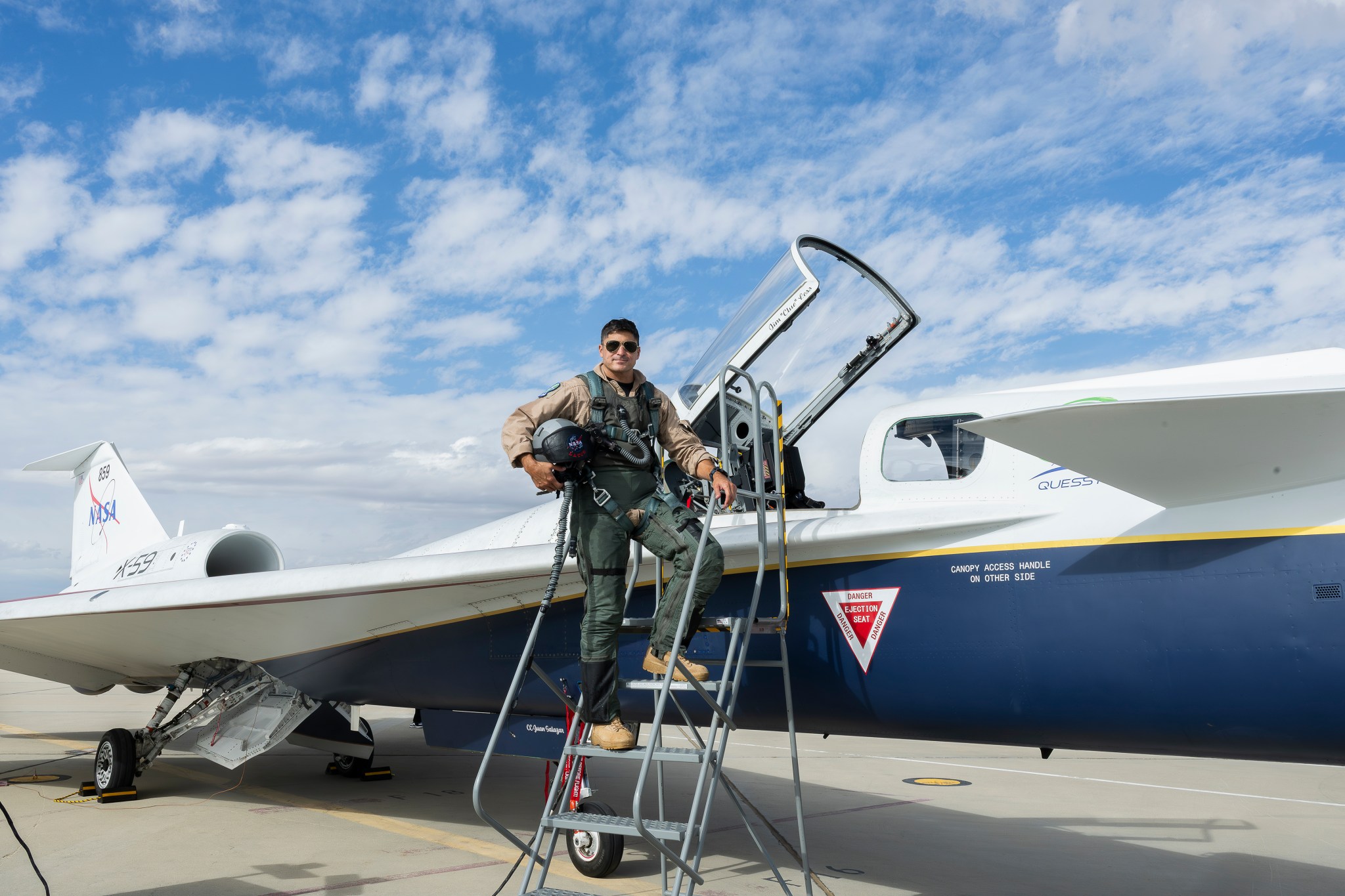
NASA test pilot Mike Lippert flew the agency's X-59 quiet supersonic research aircraft for the first time on October 21, 2026. The aircraft, which has flown numerous times since its inaugural flight in November 2025, made its first supersonic flight on June 5, 2026. Lippert took off from NASA's Armstrong Flight Research Center in Edwards, California, and landed one hour later after scheduled maintenance and a review of the aircraft's systems following its busiest week of testing to date.
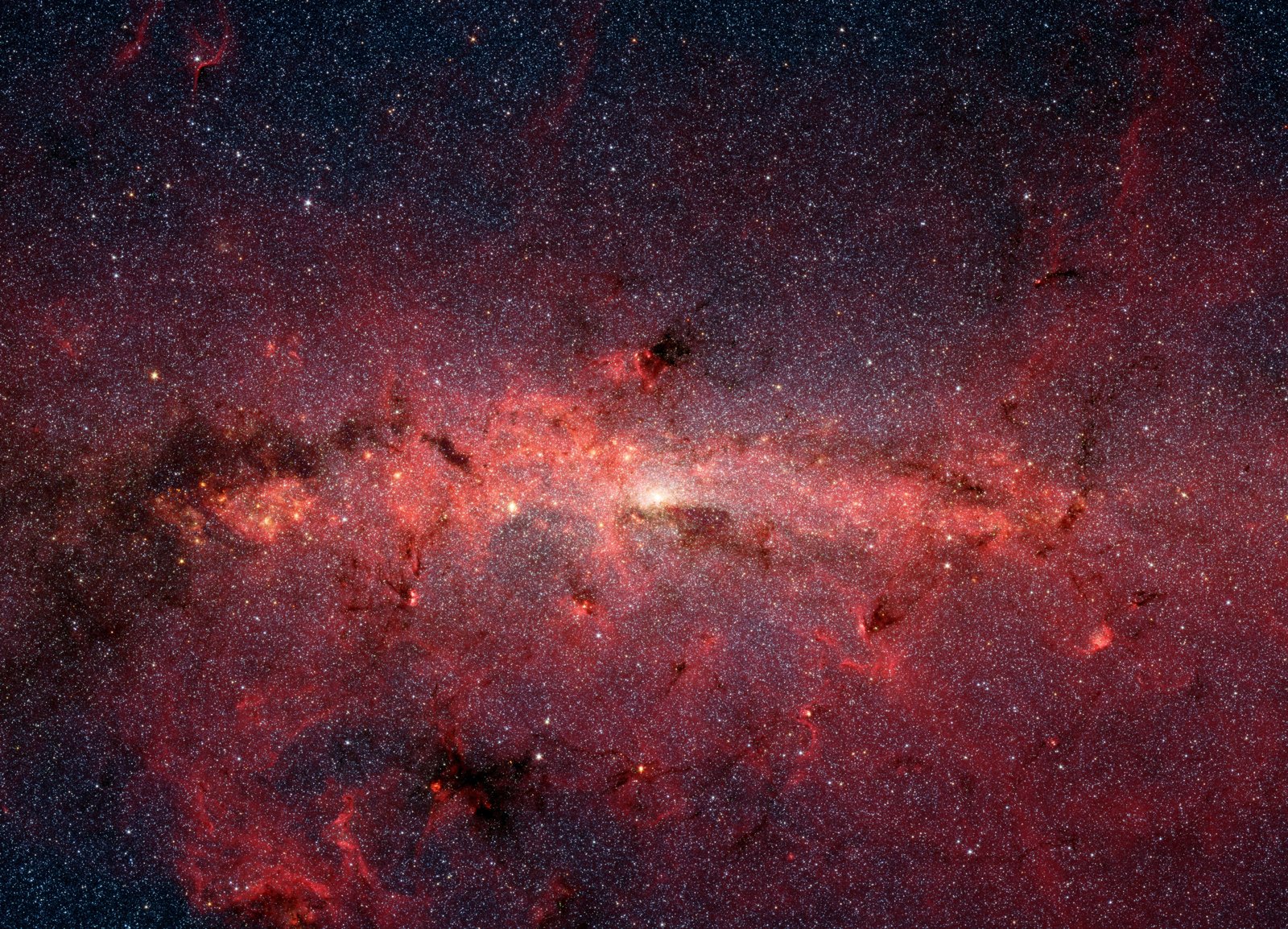
NASA/JPL-Caltech · Archive imageExplanation: The Great Nebula in Orion , an immense, nearby starbirth region , is one of the most famous of all astronomical nebulas .
NASA/JPL-Caltech · Archive imageThe Great Nebula in Orion, an immense, nearby starbirth region, is one of the most famous astronomical nebulas. It is located 1500 light-years away and is surrounded by hot young stars and interstellar molecular clouds. The nebula can be seen with the unaided eye near the belt of three stars in the constellation Orion. It contains many stellar nurseries, including a bright open cluster of stars known as the Trapezium.
 Source image · NASA Earth Observatory / Lauren Dauphin
NASA's PACE satellite observes fall foliage displays with its hyperspectral OCI instrument, tracking red, orange, and yellow pigments in forests. The satellite detects particularly high levels of redness in northern and eastern Russia, northern Alaska, and northern Canada, while redness fades in New England and upstate New York. Many of the reddest areas are deciduous trees like sugar and red maples, with blueberries, bilberries, sedges, mosses, and grasses likely contributing to marshy tundra areas.
 Source image · NASA
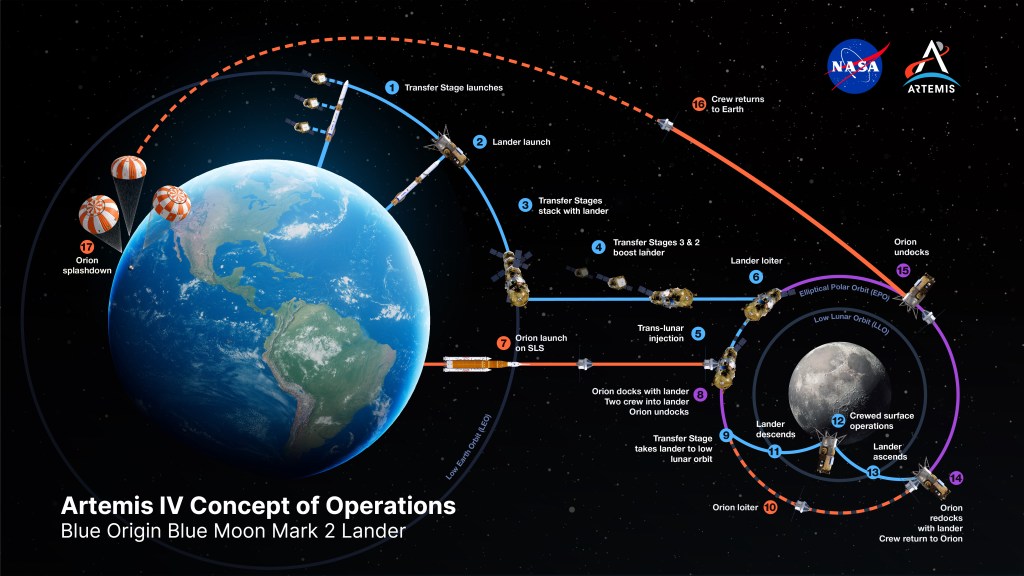
NASA is partnering with Blue Origin and SpaceX to develop crewed lunar landers for 2028 missions. The agencies are redefining Artemis III to demonstrate rendezvous and docking capabilities between landers and Orion in low Earth orbit. Both companies are developing crew and cargo versions of their landers for near-term missions. NASA aims to build a Super Bowl-caliber team to safely achieve the objectives and future missions.
 Source image · NASA
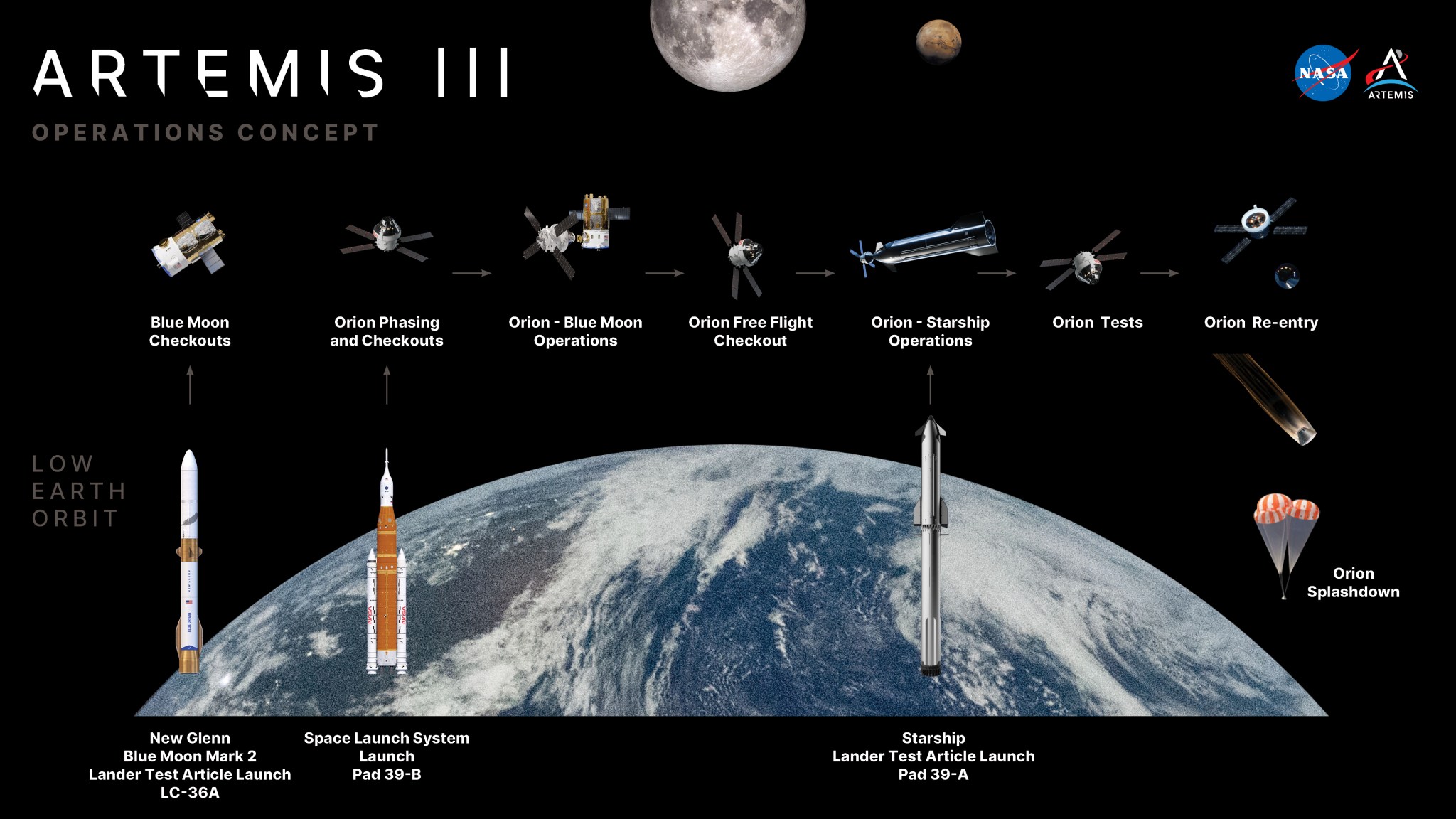
NASA's Artemis III mission, scheduled for 2027, will send astronauts and test versions of human landing systems to the Moon's South Pole. The mission, involving three separate spacecraft launched on three different rockets, is designed to reduce risk, validate hardware, and gain operational experience before a crewed lunar landing in 2028.
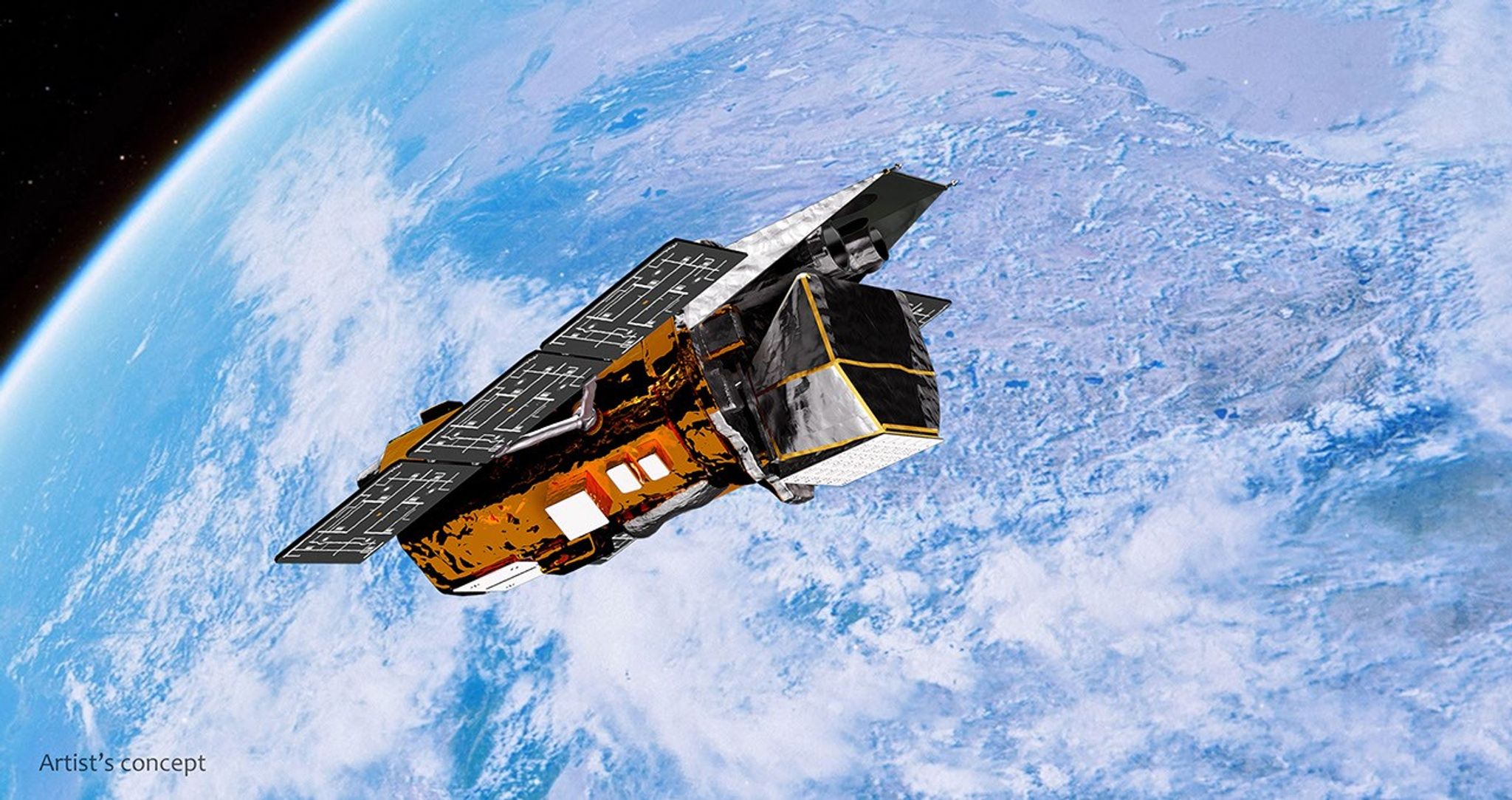 Source image · NASA’s Goddard Space Flight Center Conceptual Image Lab
NASA’s Neil Gehrels Swift Observatory has ended its science mission now that the spacecraft is orbiting less than 171 miles (275 kilometers) above Earth’s surface.
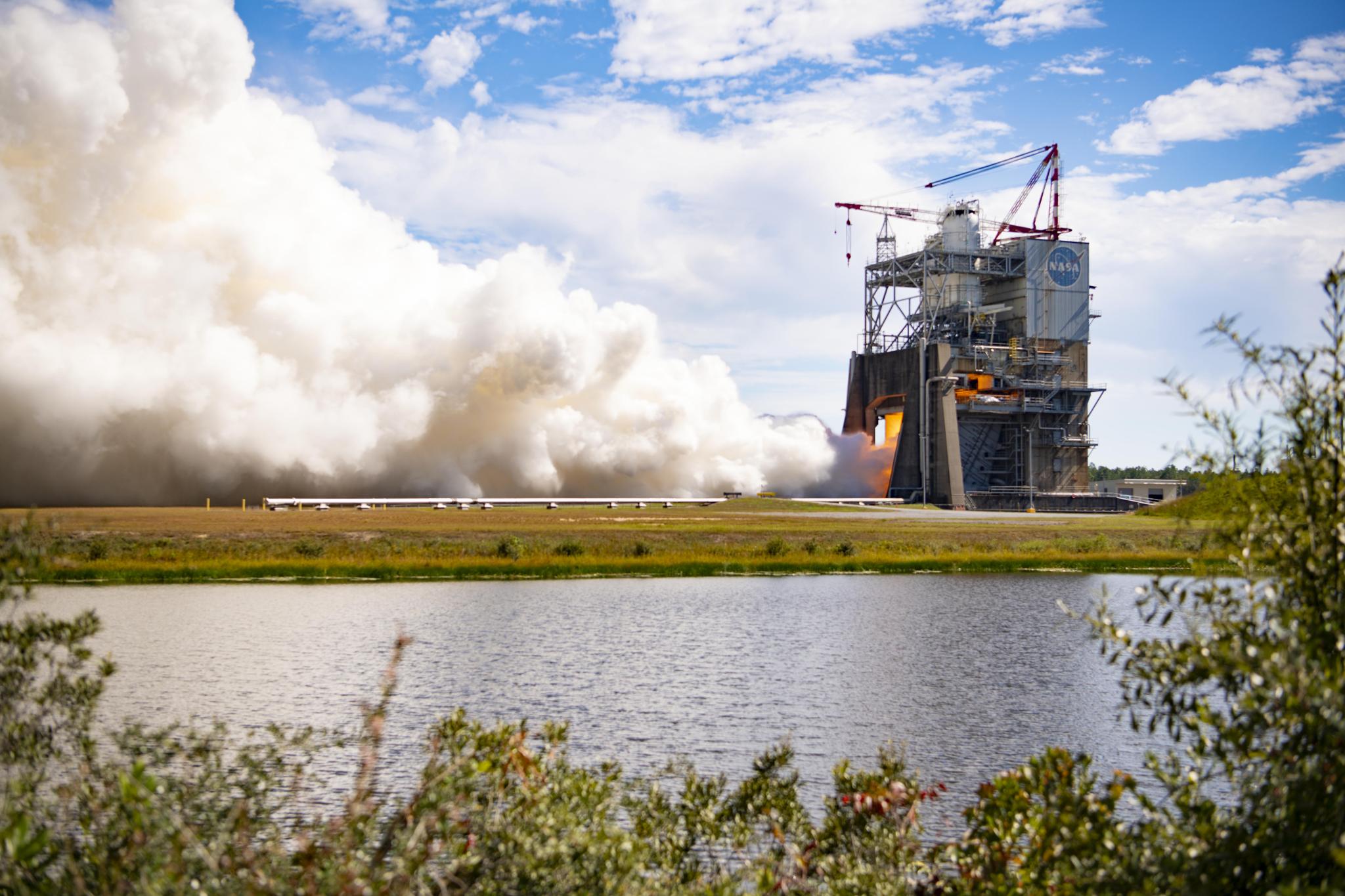 Source image · NASA/Danny Nowlin
NASA's Stennis Space Center tested RS-25 engine No. 10001 on Oct. 21, 2026. The hot fire test lasted 500 seconds, matching SLS rocket launch duration. Four RS-25 engines produce 2 million pounds of thrust for Artemis missions. The engine, while not for flight, provides data for engine performance and reliability improvement.
 Source image · NASA/Mark Knopp
NASA and Virginia are collaborating to improve energy security in the state. NASA's Langley Research Center will use its expertise in atmospheric sciences to assist Virginia Energy in resiliency studies, resource analysis, and long-term energy planning. The partnership will provide datasets for energy system modeling and planning, benefiting Virginia's citizens and energy policy.
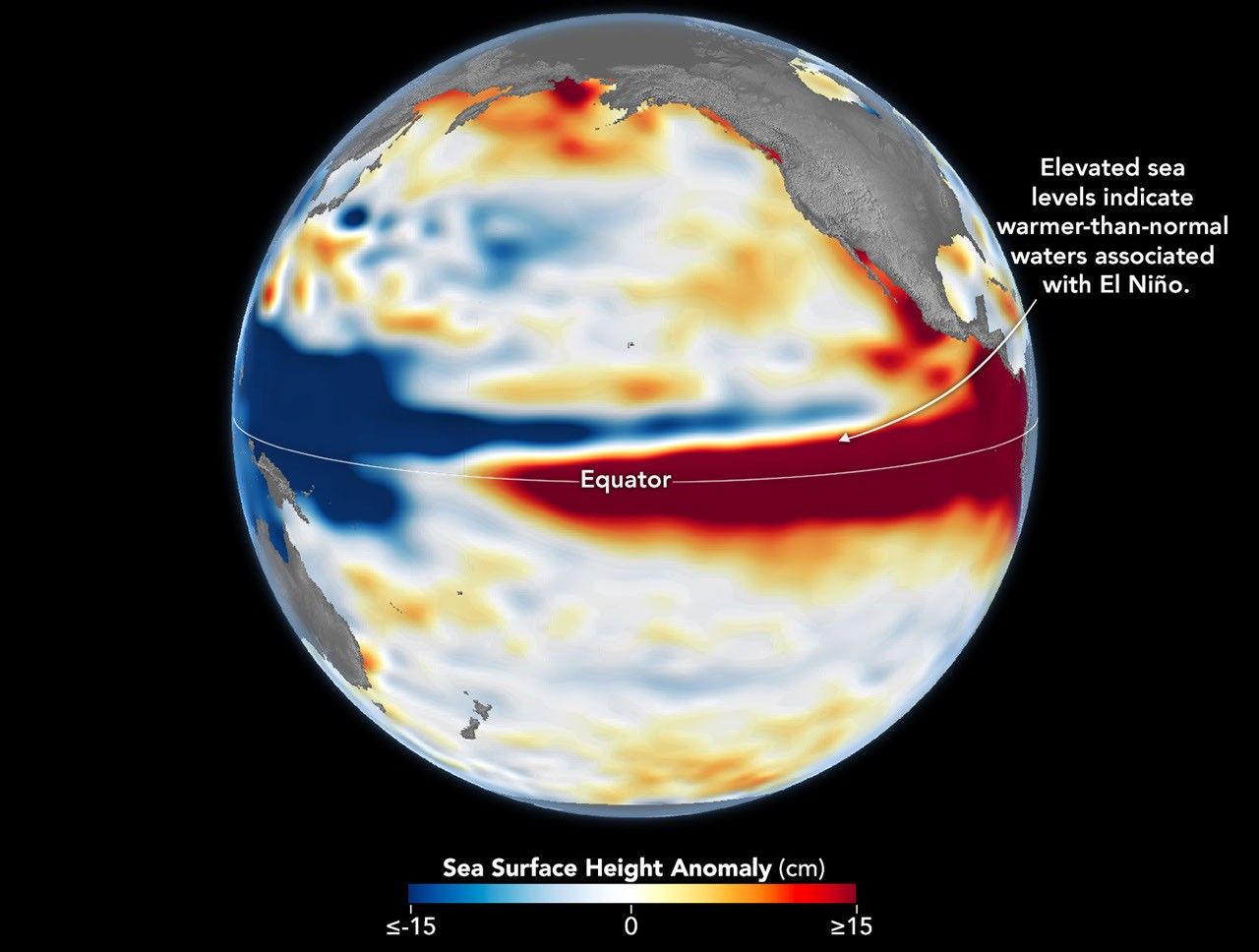 Source image · NASA Earth Observatory / Lauren Dauphin
El Niño is part of a natural climate pattern that occurs roughly every two to seven years, bringing warmer-than-normal water to parts of the equatorial Pacific.
NASA/JPL-Caltech · Archive imageNASA invites media to the 2026 von Braun Space Exploration Symposium, focusing on humanity's return to the Moon, sustainable lunar infrastructure, and advanced space propulsion. Panels include discussions on Artemis II and III, space propulsion, and engineering the future. The event is organized by the American Astronautical Society and NASA's Marshall Space Flight Center.
Follow our open news feed. No inbox clutter.
Just the latest dispatches, in your reader.