A NASA Hubble Space Telescope image released on October 16, 2026, shows the edge-on, intermediate spiral galaxy NGC 1827, located roughly 37 million light-years away in the constellation Columba. The image was captured as part of a survey looking at 260 satellite galaxies around 22 Milky Way-like host galaxies within a radius of about 32 million light-years from Earth. The low-mass galaxies provide a way to test cosmological models on small scales, which struggle to match observations.
NASA's Hubble Space Telescope is capturing gravitational lensing images to prepare for the new Roman Space Telescope, which will study dark matter and the universe's structure. The images show a distant background galaxy distorted by a foreground elliptical galaxy, providing insights into the mass and composition of the universe.
In September and October 2026, fires burned across New Guinea, the world's second-largest island, amid a strong El Niño. Smoke from the fires covered large areas of the island, causing air quality problems and impacting flights, schools, and public health. Fires released nearly 32 megatons of carbon by October 17, more than any other year on record, and likely surpassing 1997 as the highest year on record for Papua New Guinea.
NASA Science is introducing a new competition model, CM2.0, to deliver science faster. The model prioritizes science-focused proposals and reduces the time and resources spent on long competitive processes. NASA is committed to making meaningful change and will refine the model with input from the community. The new approach aims to free up time for scientists to focus on their research and reduce the burden of proposal development.
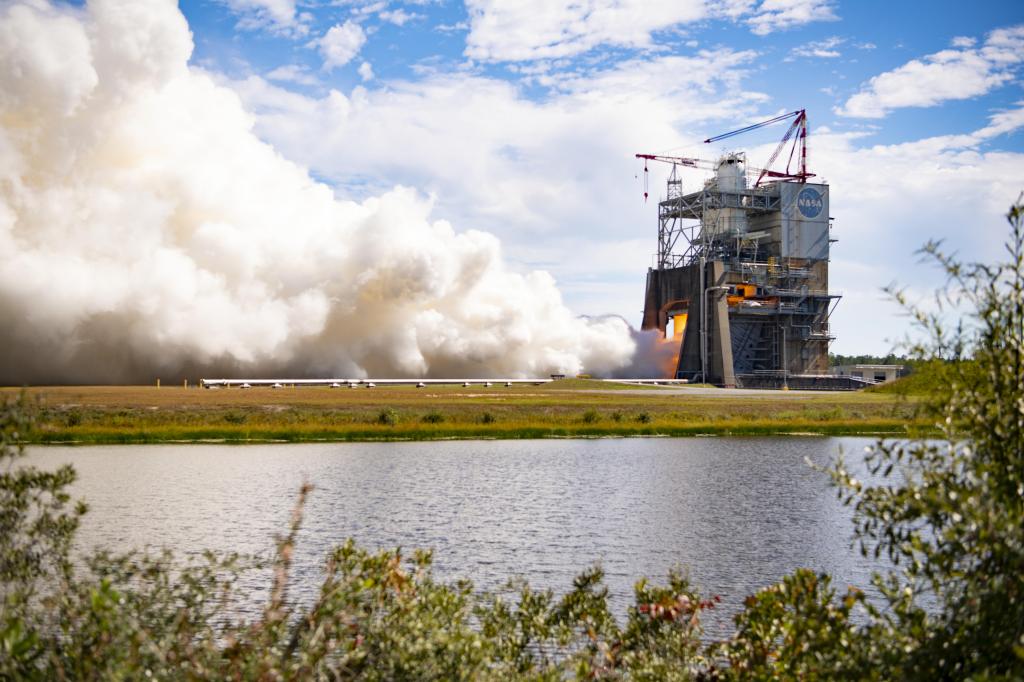
NASA conducted a test of RS-25 engine No. 10001 on Oct. 21 at Stennis Space Center. The test lasted 500 seconds and reached 111% power, validating the new thermal protection system for SLS launches. While not for flight, the test provides data for engine improvement and reliability.
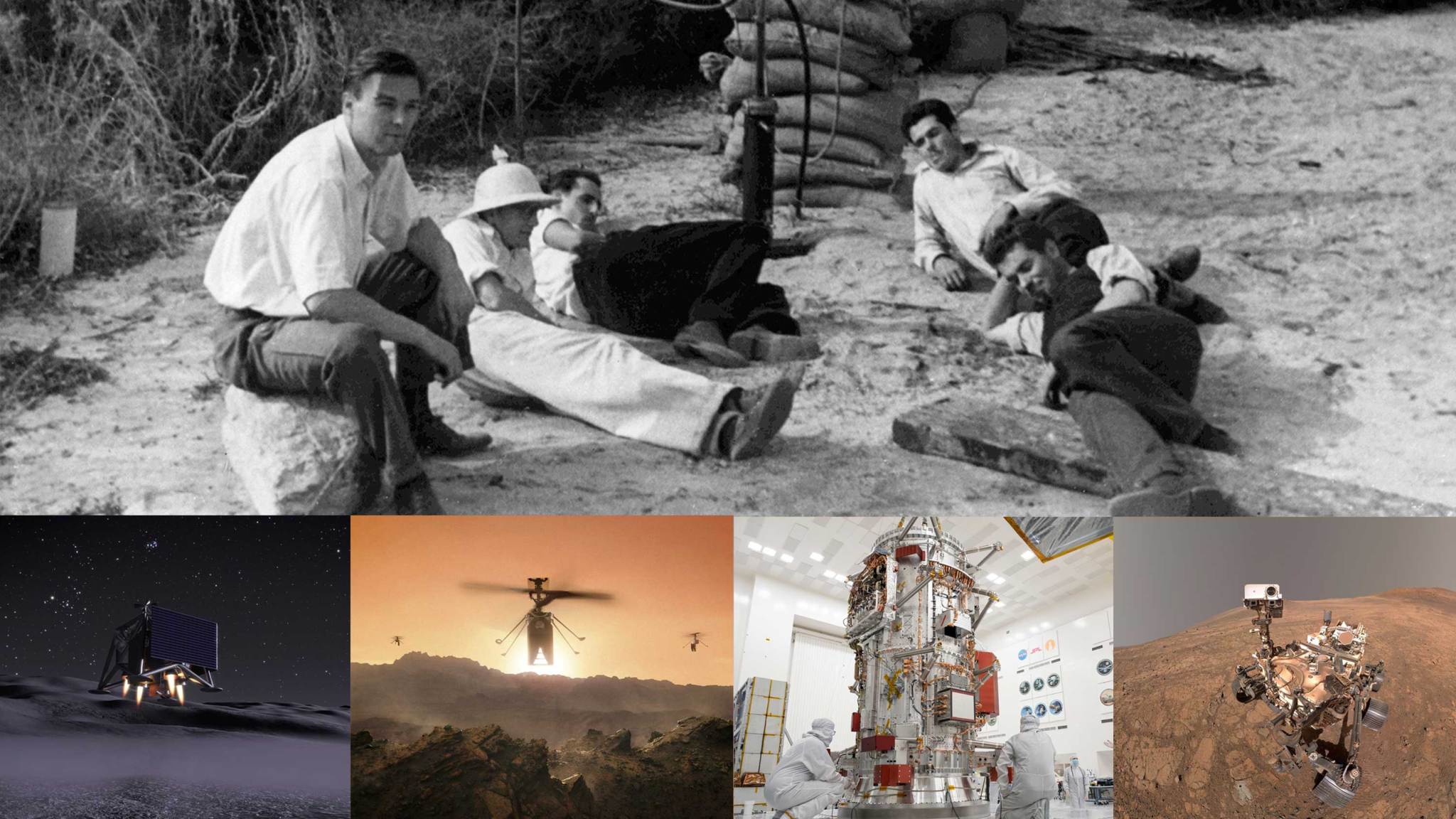
Ninety years later, the lab, now managed by Caltech for NASA, isn’t only celebrating the long line of historic firsts accomplished here; it’s paving the way for many to come.
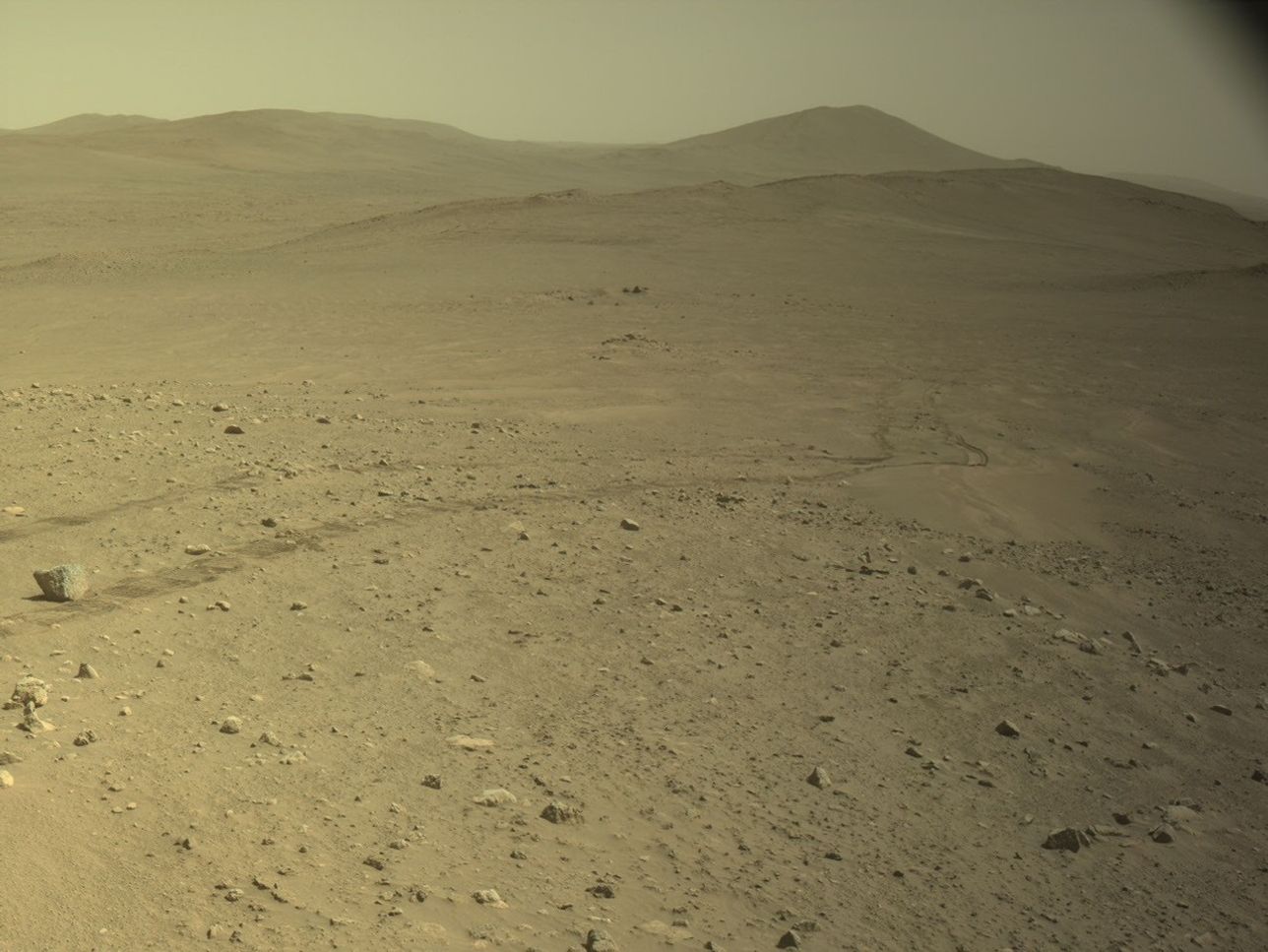
Perseverance, the rover on Mars, has set a new record for the longest drive on another celestial body. The rover's odometer reached 45.22 kilometers (28.10 miles) on Sol 2006 (Oct. 11, 2026), surpassing the previous record. The achievement was made possible by navigating challenging terrain and pioneering new driving techniques. The team also updated the rover's tilt limit and clearance requirements, and developed an autonomous drive capability called onboard Global Localization (GBLC) to enable longer distances without human intervention.
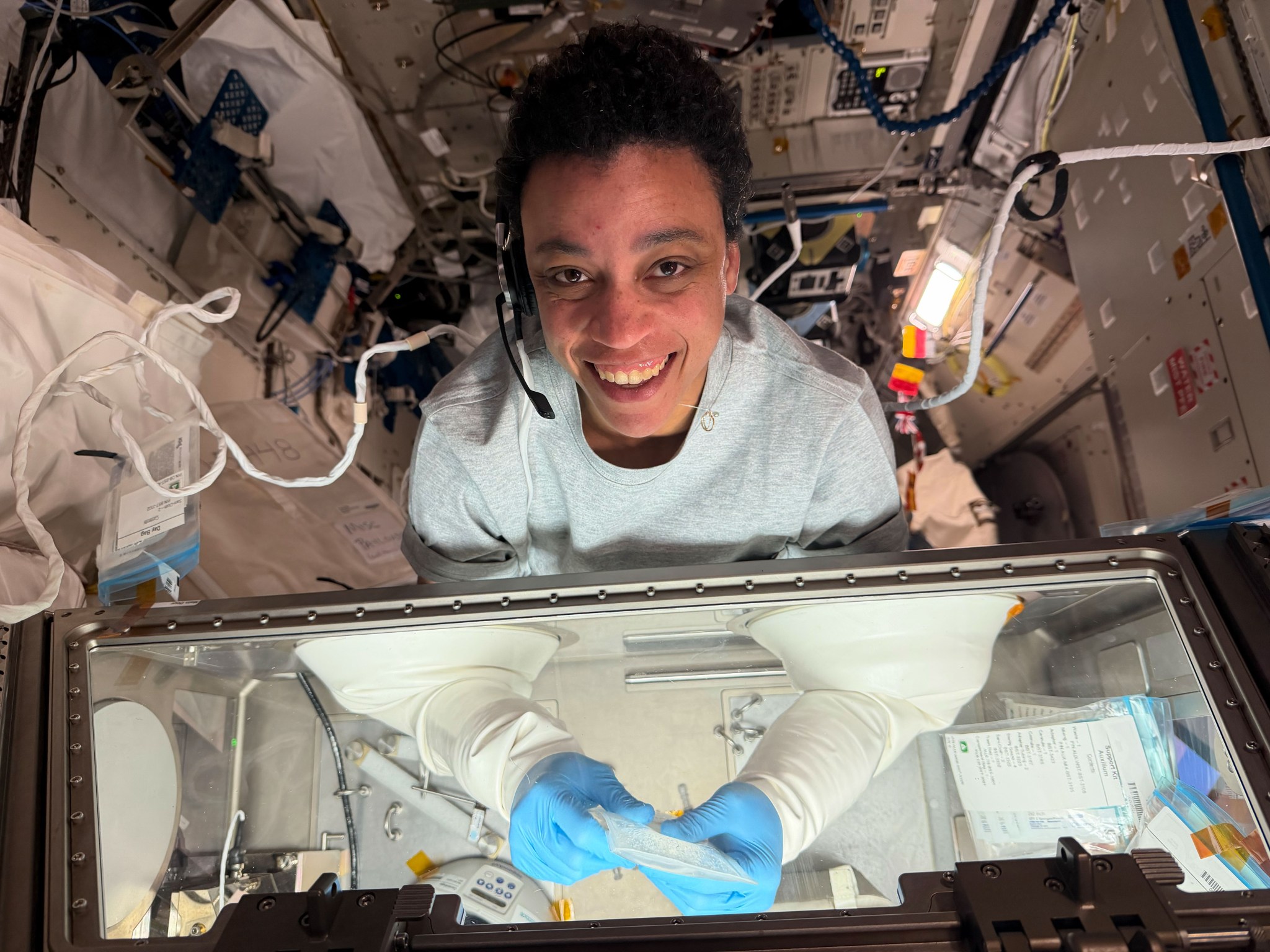
NASA astronaut Jessica Watkins, part of Expedition 75, worked on the Space Station in the Kibo laboratory module's Life Science Glovebox on Oct. 9, 2026. She mixed living cell samples with bioink and filled a special cartridge with the cell-ink mixture. The advanced research, part of the InSPA-Auxilium Bioprinter-Cell Printing investigation, explores 3D bioprinting cartilage tissue in microgravity for higher quality than on Earth. The results may advance biomanufacturing cartilage, benefiting patients on Earth and crew members on long-duration space missions.
NASA will conduct low-altitude research flights over farmland near Amarillo, Texas, from Oct. 22 to Nov. 9. The mission, FarmFlux, will measure emissions from animal feeding operations and agricultural lands. Additional flights are scheduled for the March to July 2027 growing season in the Midwest and California's Central Valley. The mission is led by NASA's Goddard Space Flight Center, Colorado State University, and Boston University.
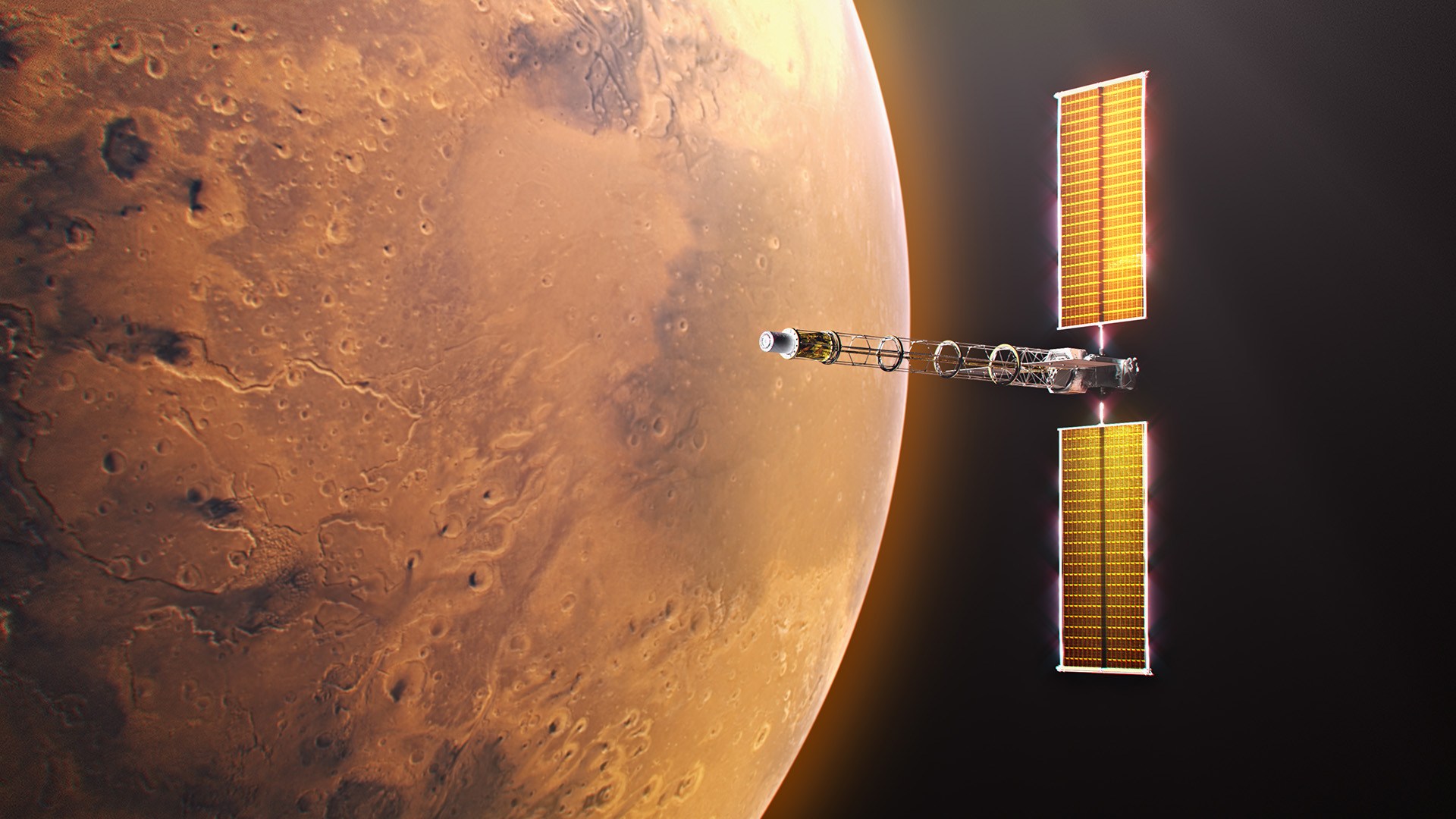
NASA's Space Reactor-1 (SR-1) Freedom, destined for Mars and beyond, is advancing with progress on its key element: the nuclear power module. The module's closed Brayton cycle power conversion system will be provided by Sierra Lobo Inc., and the work is being conducted under the Space Flight Systems Development and Operations Contract III, awarded in 2024. The nuclear reactor portion of SR-1 Freedom will remain inactive until the spacecraft leaves Earth orbit, ensuring safety standards throughout the design and development process.
NASA researchers are developing the future of flight on Mars, laying the groundwork for helicopters with the ability to fly higher and farther while conducting science on the Red Planet.
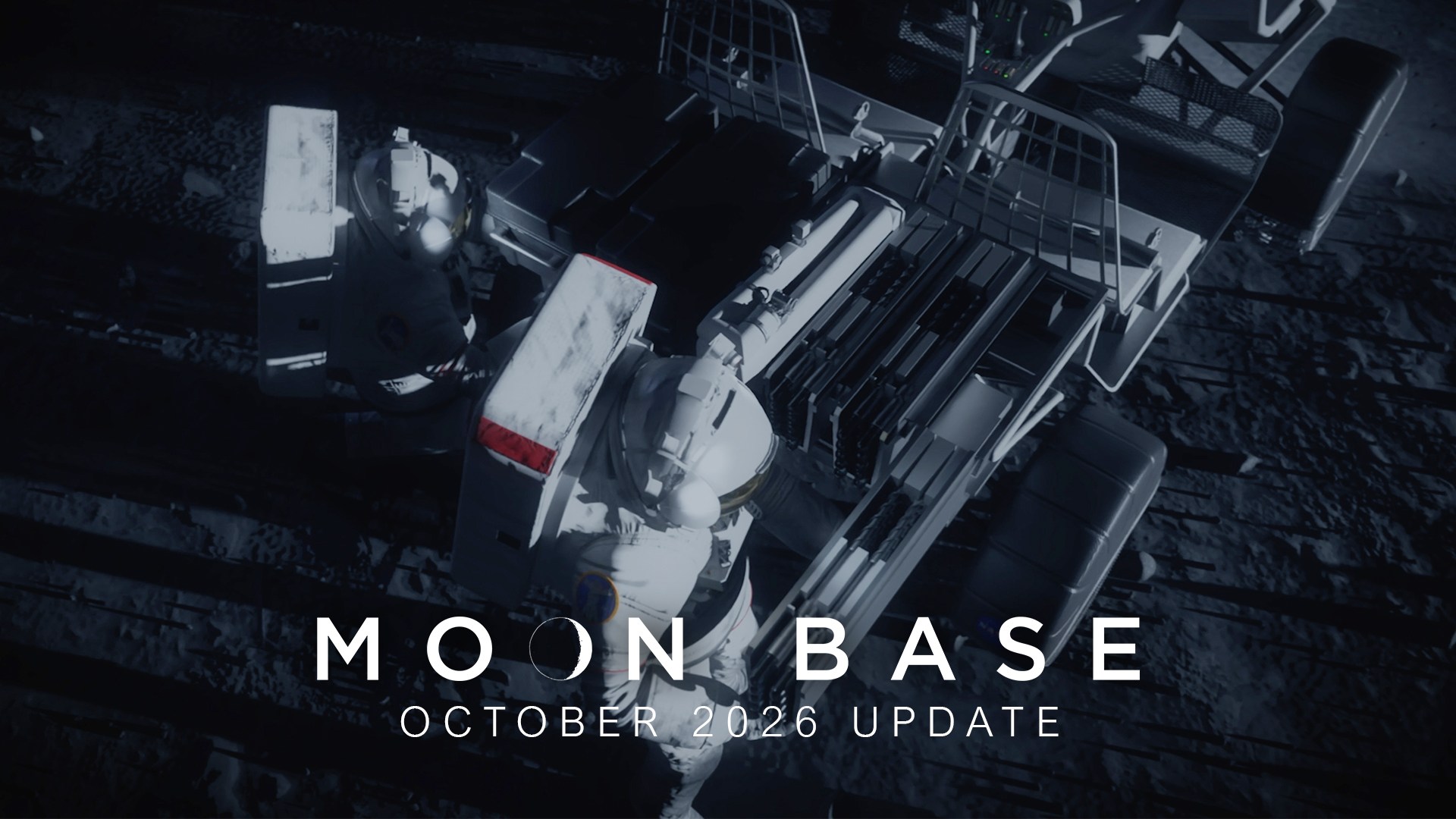
As NASA works to build the Moon Base, crewed and robotic lunar rovers will play a crucial role during early development through technology demonstrations, astronaut transport, terrain mapping, scientific investigations, and resource prospecting.
Uzbekistan became the 77th signatory of the Artemis Accords during a ceremony in Samarkand. Minister of Foreign Affairs Bakhtiyor Saidov signed on behalf of the country. Uzbekistan is committed to the principles guiding safe, transparent, and responsible civil space exploration. The country has engaged with NASA and the global space community through its space program and plans to host the annual global space event in 2028.
While GCMS tends to be an energy-intensive activity, we had four whole sols in Monday’s plan to play with, so we still had room for a slew of remote-sensing activities from Mastcam and ChemCam and contact science of the drill tailings — the bits of rock and minerals that are left over from our drill sample.
NASA··1 min read
LESS NOISE. MORE SIGNAL.
A little further into the unknown.
Follow our open news feed. No inbox clutter. Just the latest dispatches, in your reader.

 NASA/JPL-Caltech · Archive image