Registration is open for the 2026 NASA Space Apps Challenge, a two-day global event on Saturday, Nov. 14 and Sunday, Nov. 15, where teams work to create
NASA has selected 12 U.S. institutions to receive $12 million to accelerate academic research and technology development in support of the agency's priorities for exploring the Moon, Mars, and deep space. The M-STAR initiative supports the agency's mission to develop innovative technologies for long-duration operations on the Moon and eventually, Mars.
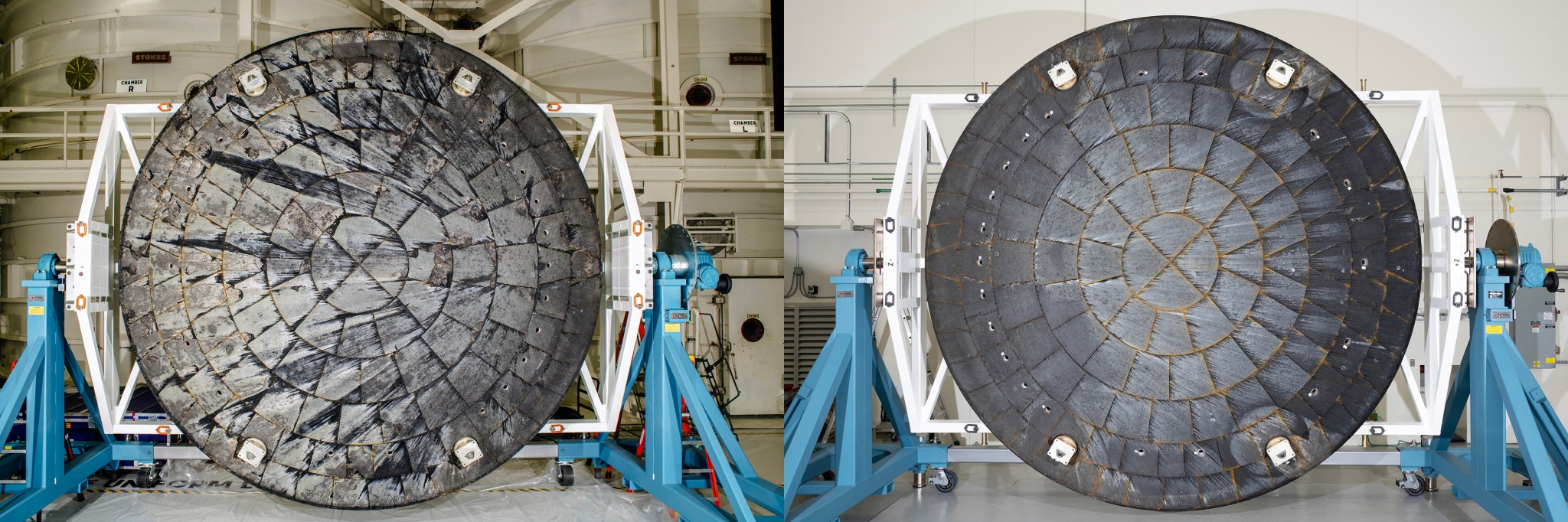
After NASA’s thorough analysis of Artemis I heat shield findings , informed by extensive arc jet material testing at NASA’s Ames Research Center in California’s Silicon Valley, the agency modified Orion’s reentry trajectory for Artemis II by shortening the maximum downrange distance the spacecraft could fly between when it entered Earth’s atmosphere and splashed down in the Pacific Ocean.
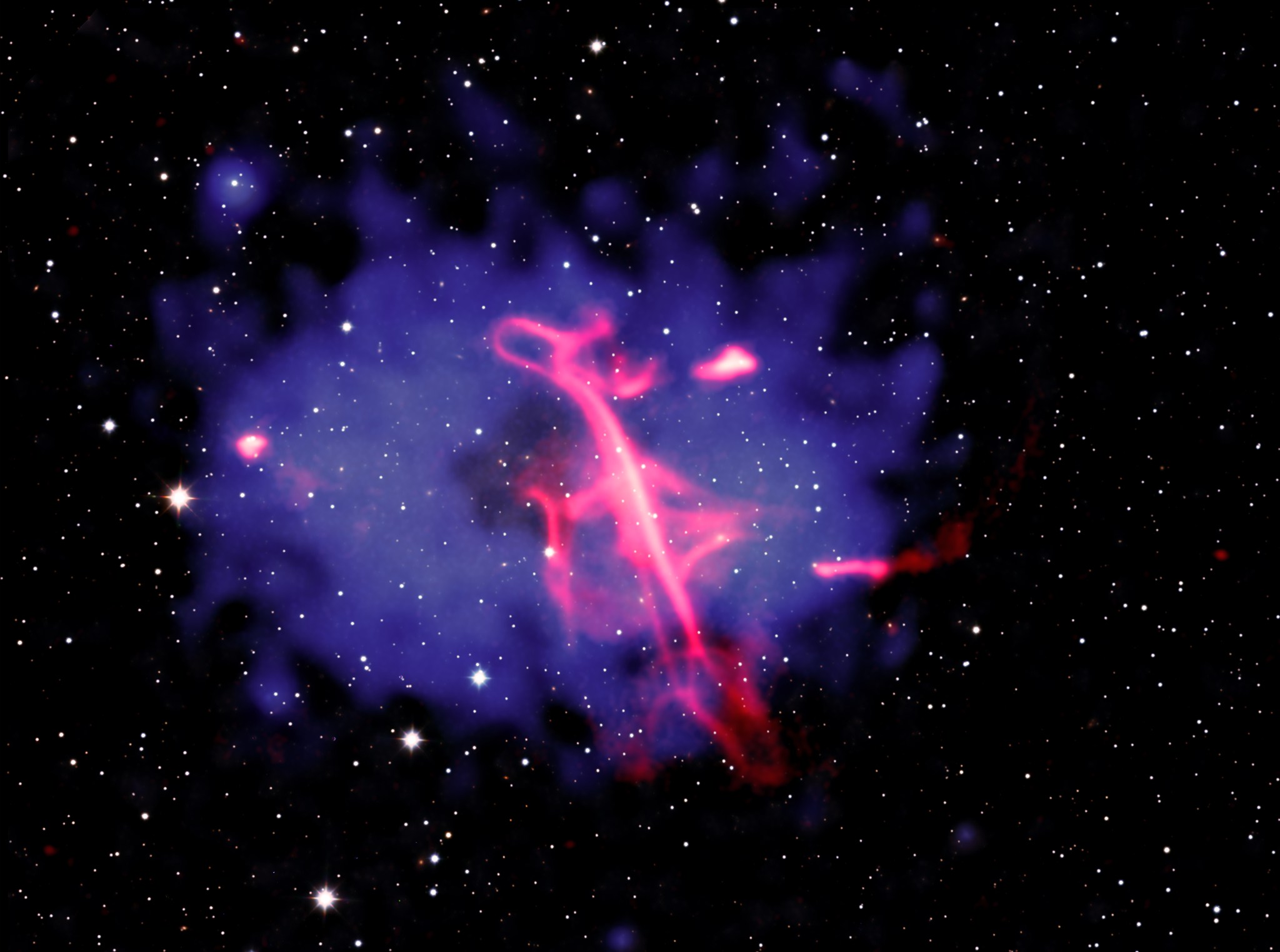
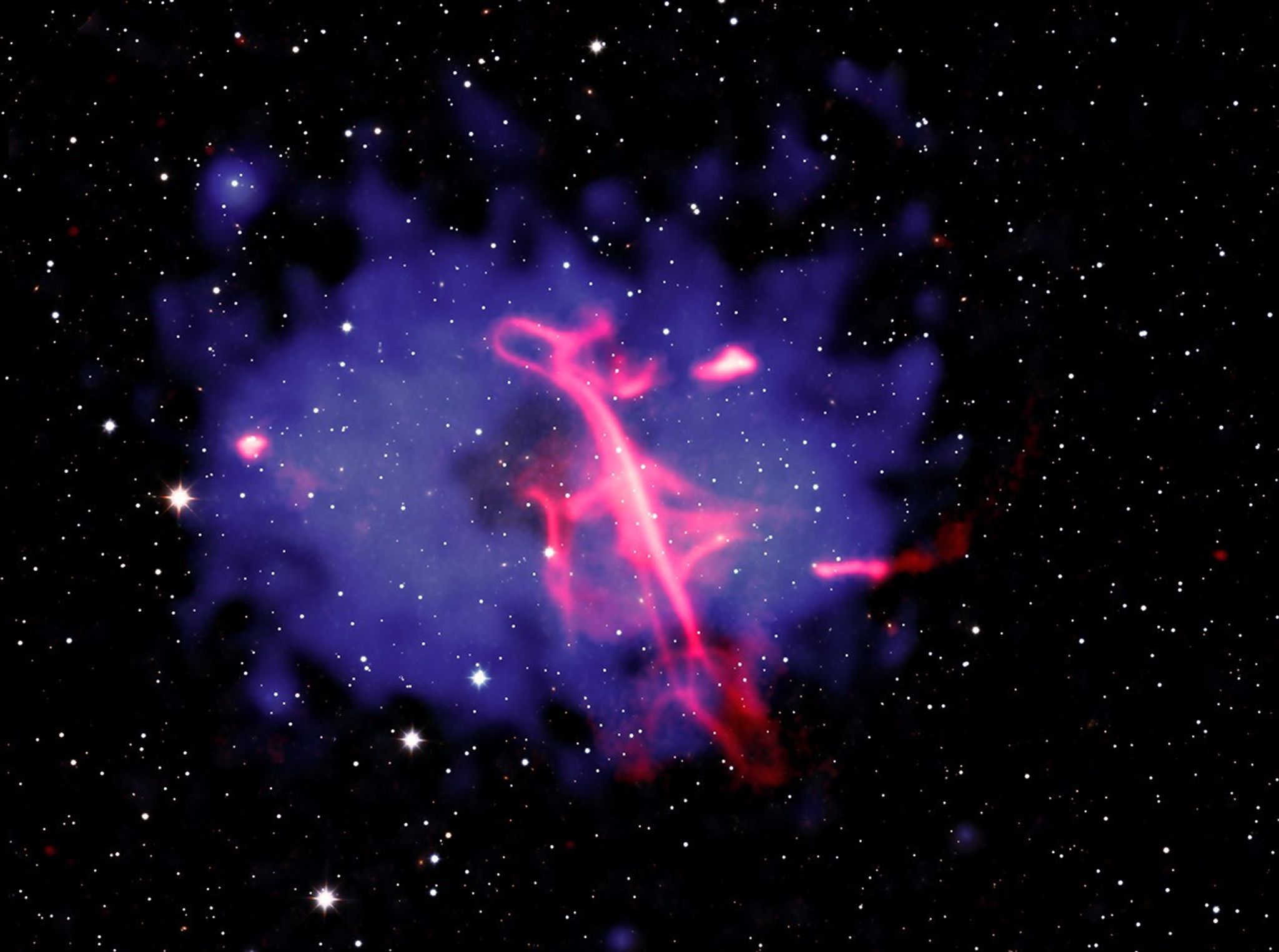
A formation of radio waves, resembling a treble clef, has been identified by NASA's Chandra X-ray Observatory. The discovery suggests the waves are likely caused by an outburst from a supermassive black hole followed by a collision of two galaxy clusters. The image was captured on October 14, 2026.
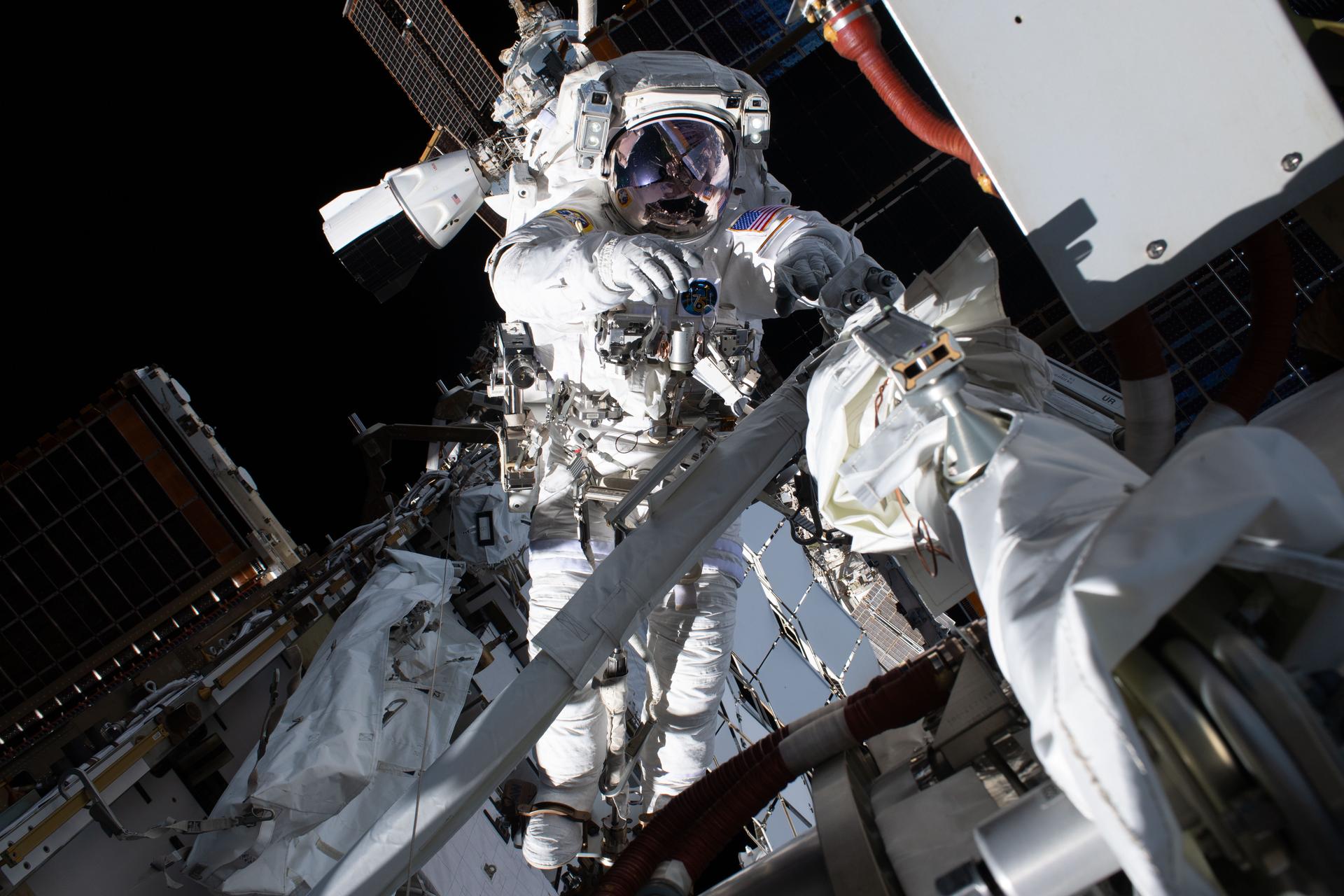
NASA will hold a news conference on Oct. 20 to preview two upcoming U.S. spacewalks. During the event, NASA astronaut Anil Menon and Canadian Space Agency astronaut Joshua Kutryk will install and deploy the seventh and eighth roll-out solar arrays on the International Space Station. The arrays will provide additional power to support critical station operations and increase the station's electric power generation capacity by up to 30%.
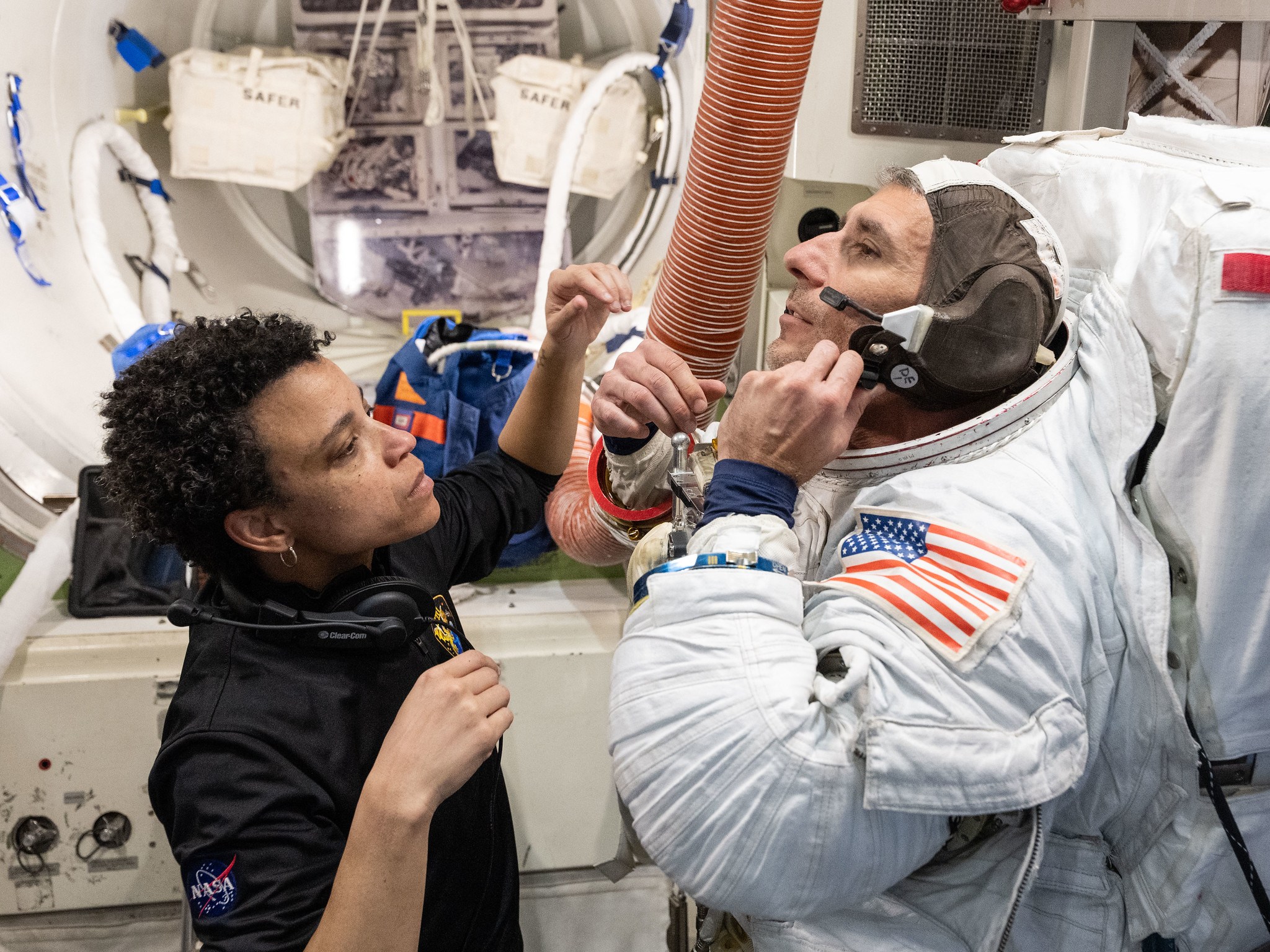
NASA astronauts Jessica Watkins and Luke Delaney will answer STEM questions from Florida students aboard the International Space Station. The event, hosted by Sally Ride Elementary School, will stream live on NASA's Learn With NASA YouTube channel. This unique opportunity aims to deepen understanding of space exploration and STEM careers.
Astronomers using NASA's Chandra X-ray Observatory have identified the cause of a distinctive formation of radio waves, dubbed the 'Treble Clef,' in a galaxy cluster collision. The structure is likely due to an outburst from a supermassive black hole followed by the collision of two galaxy clusters. The discovery provides insight into the formation of galaxy clusters and the behavior of supermassive black holes.
Google's Geospatial Reasoning agent, built on foundation models and spatial tools, enables complex spatial analysis and planetary prediction. It's designed for multi-step reasoning and can train custom models autonomously. The agent is expanding experimental access through Ask Google Earth and an A2A service.
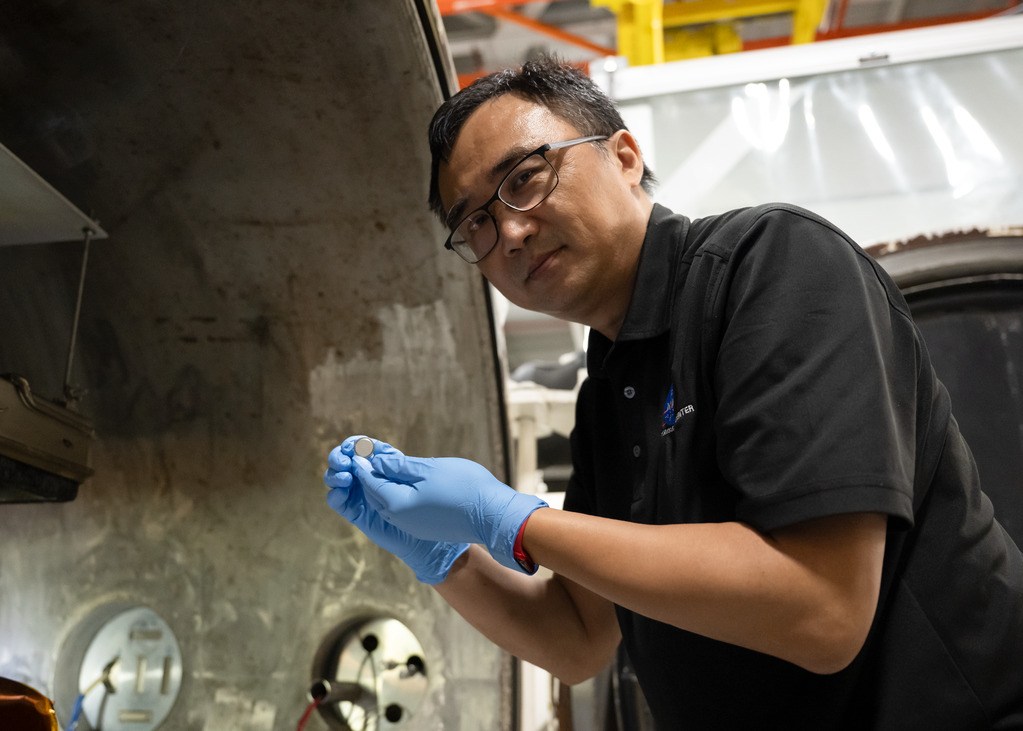
NASA is developing batteries that can function in extreme cold on the Moon's South Pole, crucial for future lunar operations and Artemis campaign. The project, Solid Power for Extreme Environment Adaptability and Resilience in Space (SPEARS), aims to ensure reliable and safe operation of batteries in harsh lunar conditions.
NASA will provide an update on its plans to return American astronauts to the Moon by 2028, including details about Artemis III mission and progress on the 2028 timeline. The update will also highlight the agency's focus on lunar exploration and human presence on the lunar surface.
The European Space Agency's Mars Express has captured a stunning image of Amazonis Mensa, a flat-topped mountain on Mars that stands three kilometers above the surrounding plains. The mountain, part of an ancient region sculpted by lava, wind, and space rocks, is one of three similar features on the planet. The image is interactive, allowing users to explore its features in detail.
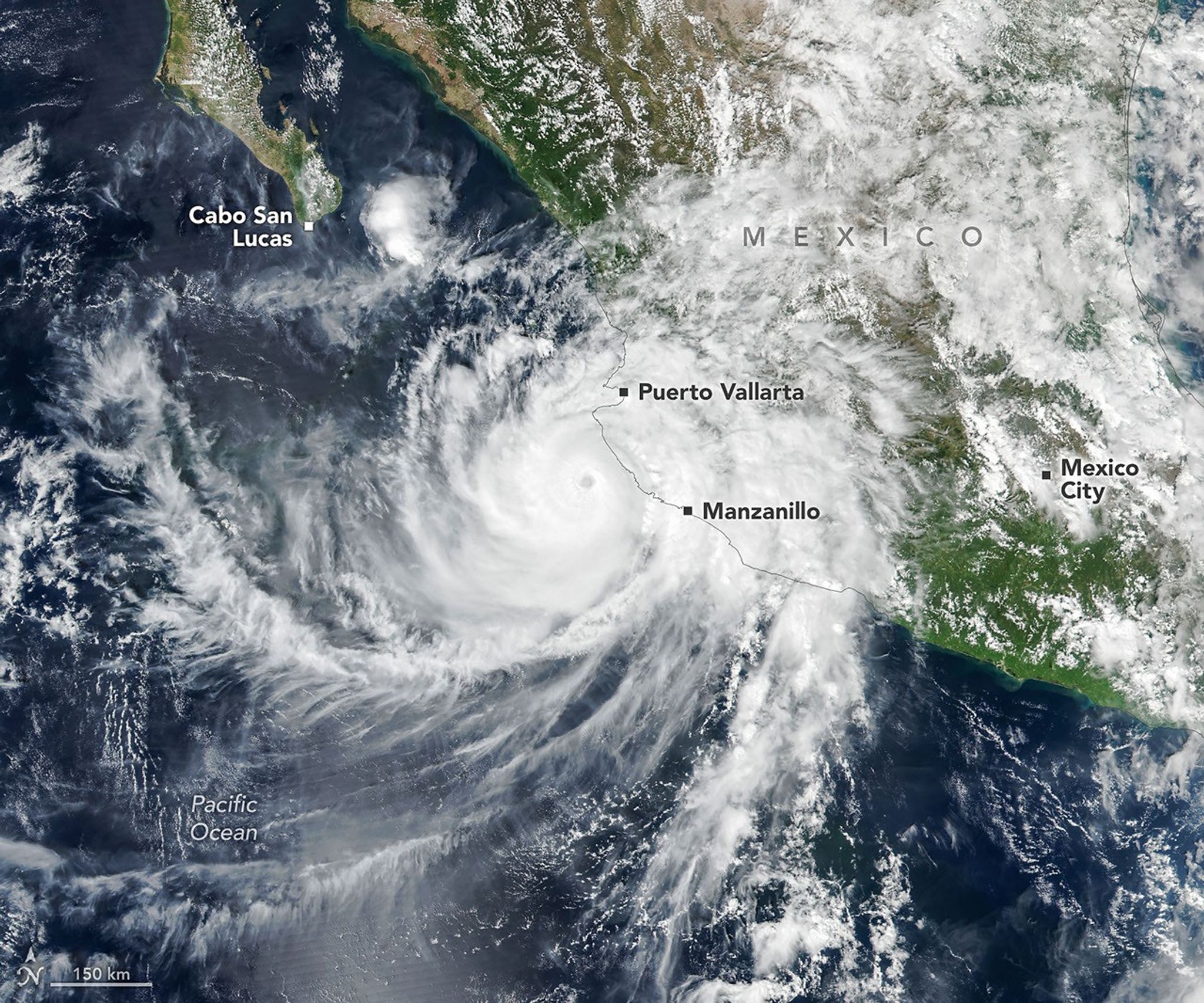
Hurricane Simon, the latest in a long progression of tropical cyclones in the Eastern Pacific this season, passed close to the Mexican coast as a category 4 storm on October 11, 2026.
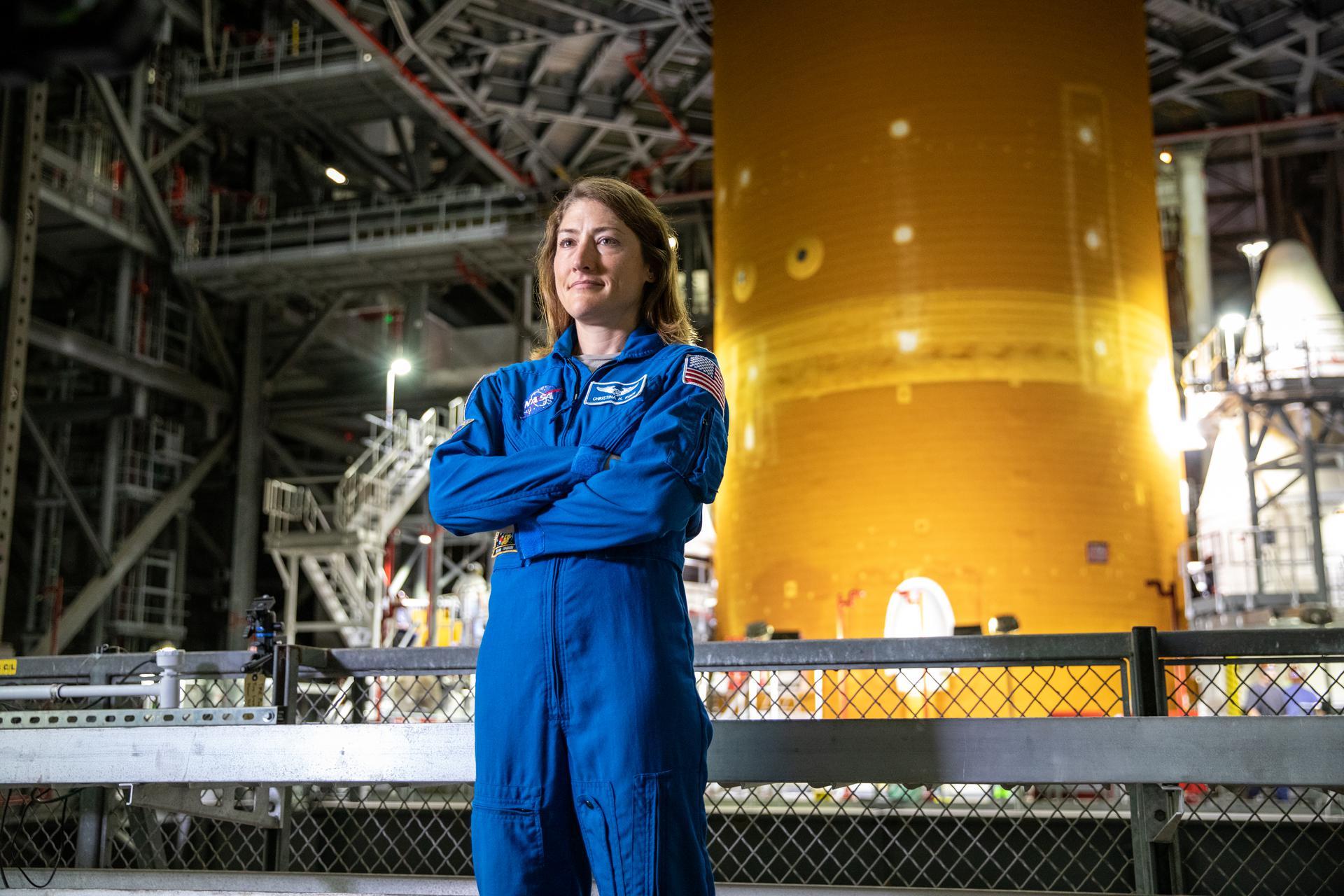
NASA has appointed astronaut Christina Koch as its acting deputy chief engineer. Koch will support technical oversight, mission readiness, and engineering excellence across NASA's programs and projects. She will transition to management astronaut status and no longer be eligible for future spaceflight assignments. Koch has spent nearly a year living and working aboard the International Space Station and helped lead America back around the Moon on Artemis II. Katherine Van Hooser, who will conclude her 35-year career, will retire on October 21.
NASA's Perseverance rover team has set a new record for the longest distance traveled on Mars by a rover, with members of the team gathering in the Mars Yard at NASA's Jet Propulsion Laboratory in Southern California to celebrate. The achievement was made possible through the use of an operational twin rover, OPTIMISM, which was built to plan the driving routes and science activities of the rover on Mars. The mission is part of NASA's Mars Exploration Program and is managed by Caltech.
NASA's Perseverance rover, on October 11, 2026, surpassed the 28.06-mile (45.16 km) driving distance of NASA's Opportunity rover during its 15-year mission on Mars. The rover's 2,006th sol drive, spanning 299.6 feet (91.31 meters), marked a significant milestone in the mission's progress.
NASA··1 min read
LESS NOISE. MORE SIGNAL.
A little further into the unknown.
Follow our open news feed. No inbox clutter. Just the latest dispatches, in your reader.

 NASA/JPL-Caltech · Archive image