
 NASA/JPL-Caltech · Archive image
Space SOURCE DIGEST
Webb captures commotion from nebula’s stellar jets
This region, rife with stellar objects in different stages of their lives, offers an opportunity to explore how stars shape their surroundings.
164 stories · Source dates are shown for news briefs.
NASA/JPL-Caltech · Archive imageThis region, rife with stellar objects in different stages of their lives, offers an opportunity to explore how stars shape their surroundings.
NASA/JPL-Caltech · Archive imageAstronomers have discovered a star slowly snacking on a brown dwarf companion, a planet-like object orbiting within the Milky Way galaxy 300 light years away. This discovery reveals a new way that stars can interact with planetary companions and suggests the slow stellar cannibalism could continue for hundreds of thousands or even billions of years.
NASA/JPL-Caltech · Archive imageThis follows a busy in-space commissioning period since the spacecraft launched on 19 May and reached its target orbit for science operations on 20 June.
NASA/JPL-Caltech · Archive image30 September 2026 marks the start of a new year on Mars. The Red Planet begins a new orbit around our Sun. This is the 39th martian year, with the convention for counting years starting in 1955. There are significant differences between years on Mars and Earth, with a major dust storm occurring in 1956. The poem
NASA/JPL-Caltech · Archive imageA NASA/ESA/CSA James Webb Space Telescope Picture of the Month features galaxies in great detail that have been warped and multiplied like they've stepped into a house of mirrors. The brilliant golden galaxies belong to a galaxy cluster called MACS J0454.1-0300, which is immensely distant and has been magnified by gravitational lensing. The real stars of the image are the galaxies that appear warped and stretched, revealing details of the Universe's early history.
NASA/JPL-Caltech · Archive imageWhat could cause a galaxy to be so out of sync?
NASA/JPL-Caltech · Archive imageBepiColombo, ESA's mission to Mercury, separates from the rest of the spacecraft on 3 September 2026, marking the start of its arrival sequence. The mission's livestream, broadcast from ESA's European Space Operations Centre, includes live views, expert analysis, and the first signal from the spacecraft after separation.
NASA/JPL-Caltech · Archive imageThe central void is a ‘superbubble’ spanning roughly 210 by 140 light-years.
NASA/JPL-Caltech · Archive imageThe briefing also provided an update on the mission’s status and explored the scientific opportunities that await as BepiColombo prepares to begin operations around Mercury.
 NASA/Joel Kowsky · Archive image
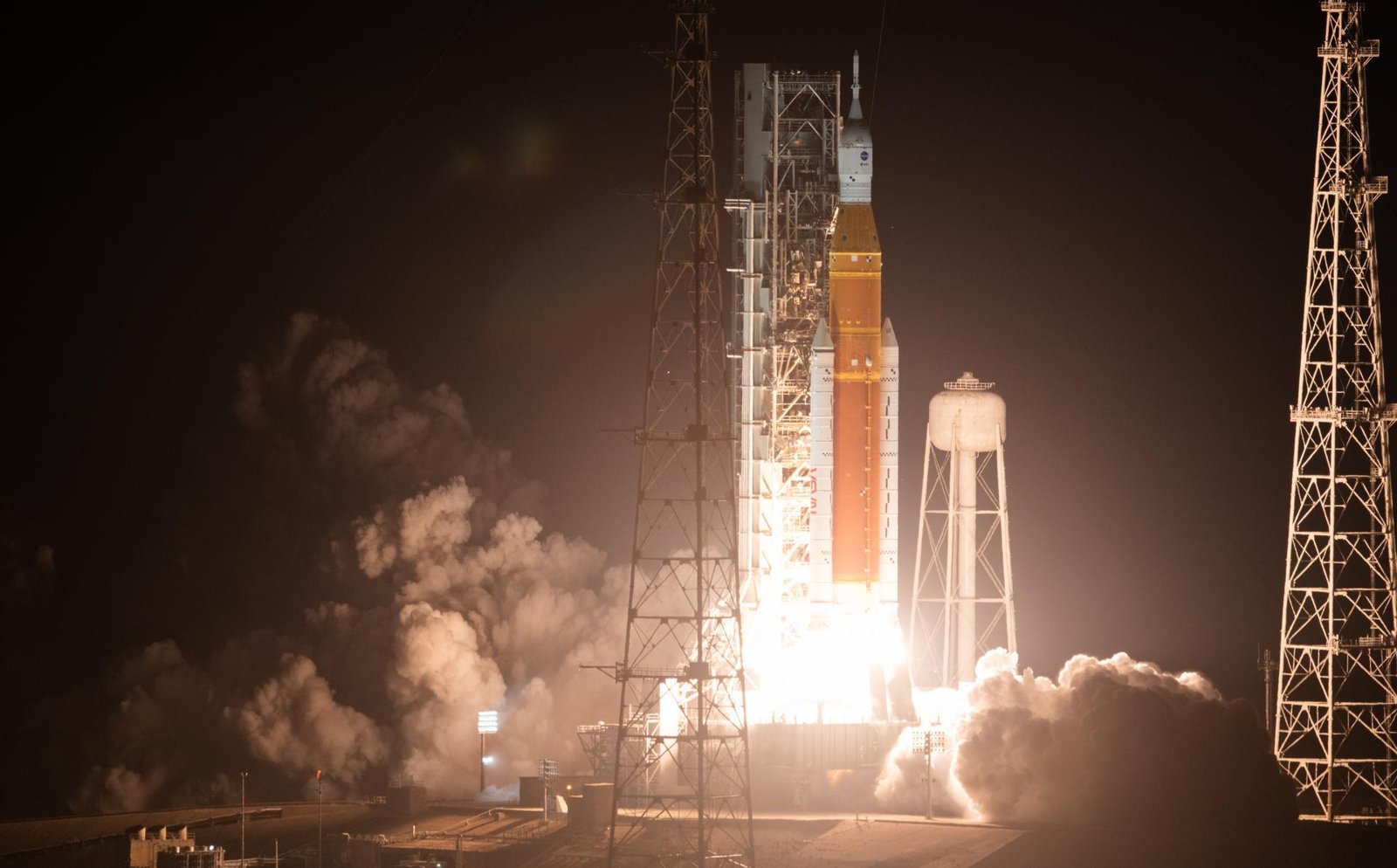
Roman will spend at least five years scanning the infrared sky and is designed to work in space for another five years.
 NASA · Archive image
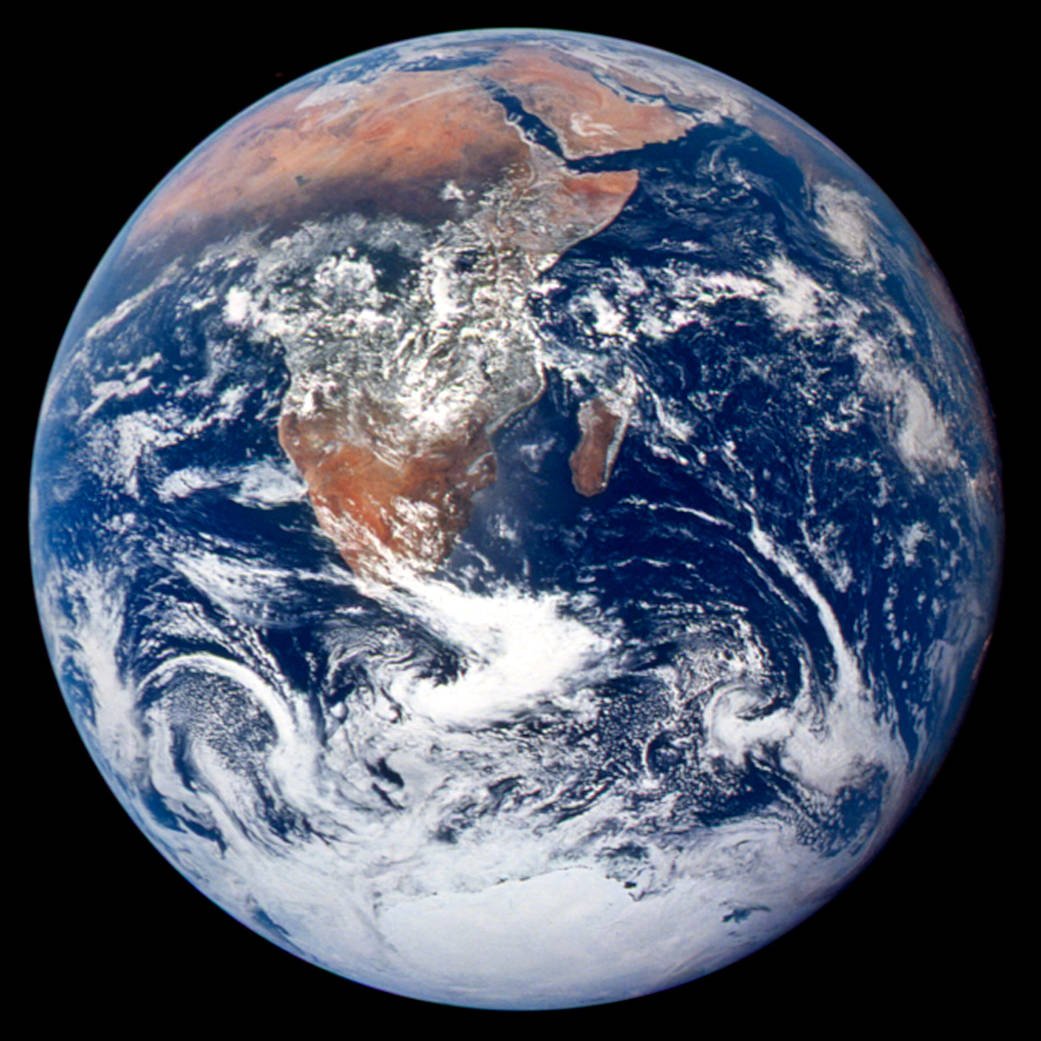
Google Earth AI introduces the planetary prediction engine (PPE), an experimental research capability that automates geospatial modeling workflows, improving public health, food security, environmental risk, and socioeconomics. PPE autonomously discovers, cleans, trains, and evaluates predictive models from natural-language queries, reducing model building time from weeks to minutes.
 Source image · ESO/GRAVITY collaboration
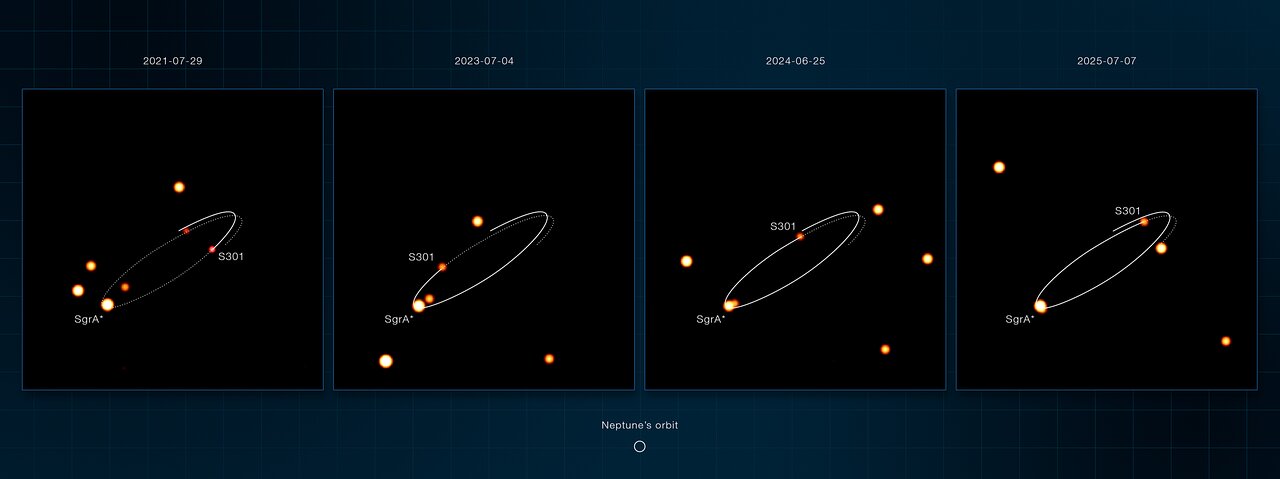
Astronomers have discovered the fastest known star in our galaxy, the Milky Way, orbiting the black hole at its centre.
NASA/JPL-Caltech · Archive imageESA’s Mars Express takes us on another mesmerising flight, this time around one of the biggest craters on Mars.
NASA/JPL-Caltech · Archive imageWe broadcast live from the Observatorio Astrofísico de Javalambre in Spain as a total solar eclipse crossed Europe on 12 August 2026.
NASA/JPL-Caltech · Archive image[English] Experience a musical simulation of the 12 August 2026 total solar eclipse as seen from the Observatorio Astrofísico de Javalambre (Spain).
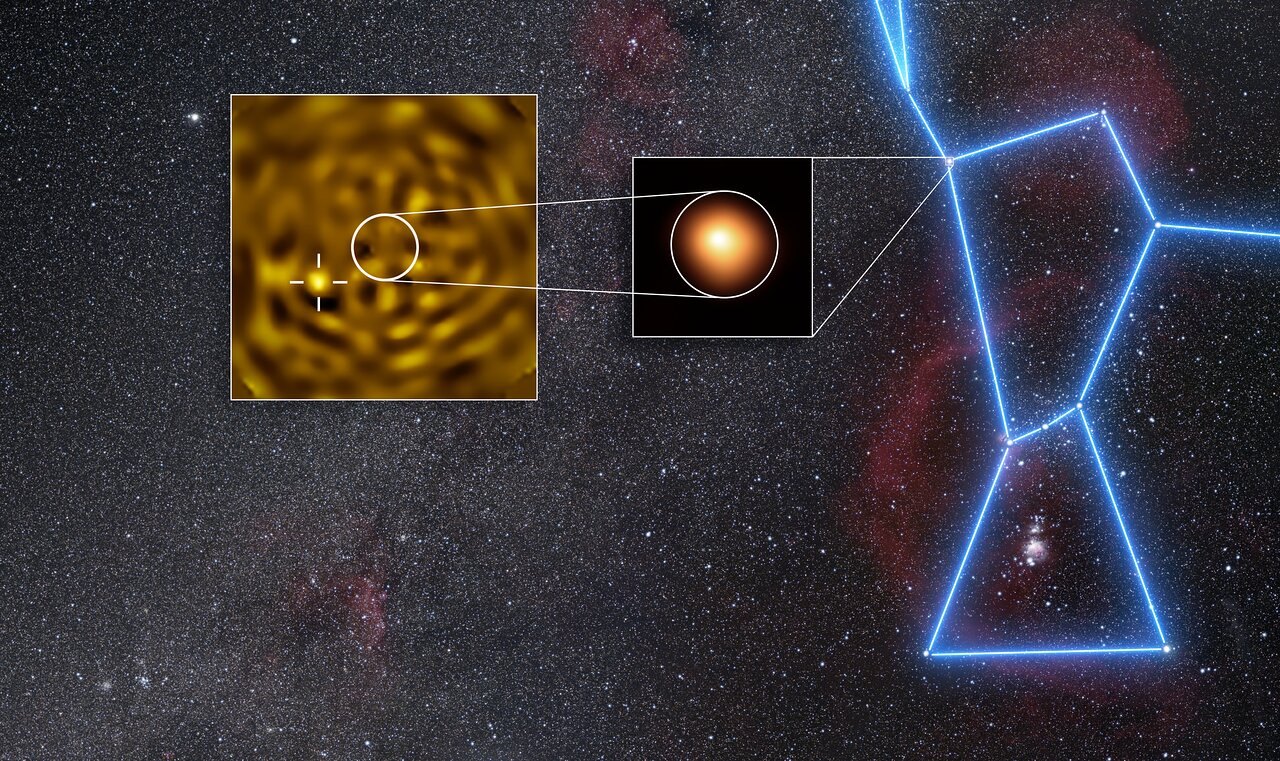 Source image · ESO/M. Montargès et al. Background: N. Rissinger ( skysurvey.org
At long last, astronomers have firm evidence that Betelgeuse, one of the most famous stars in the night sky, is not alone.
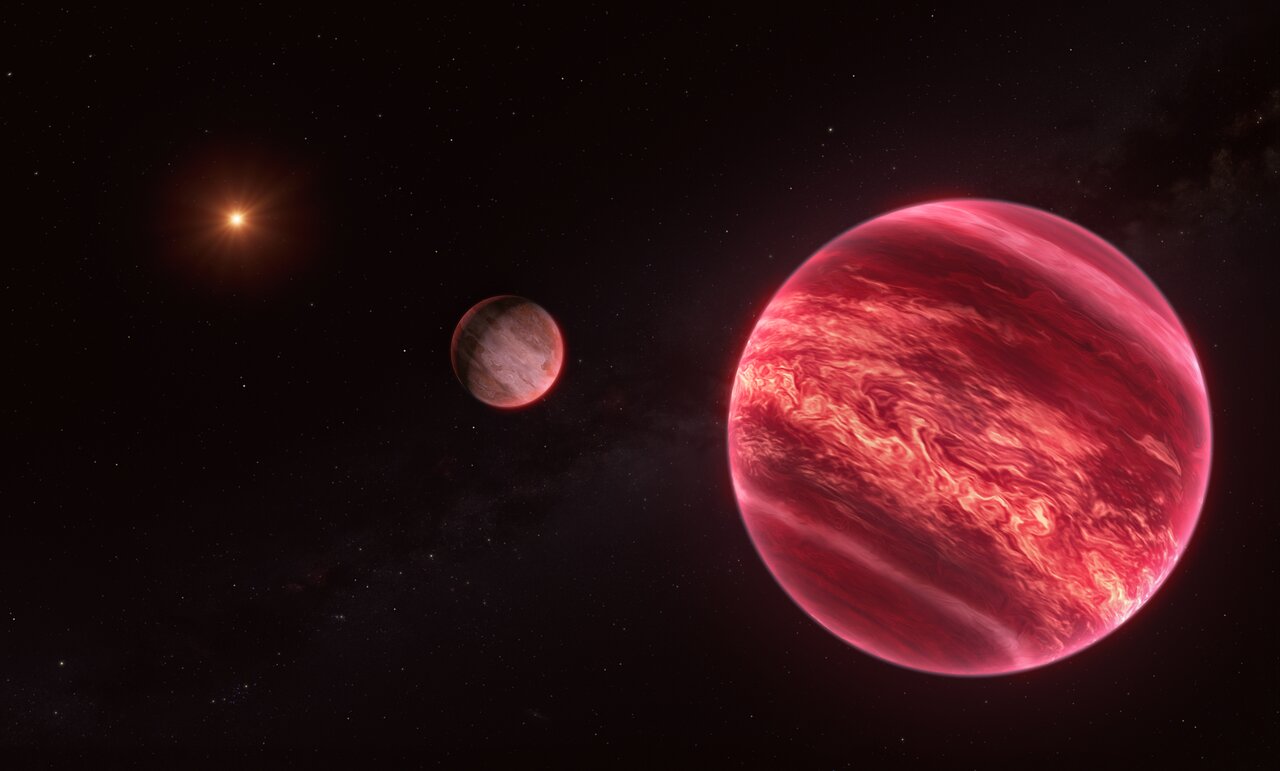 Source image · ESO/M. Kornmesser
Observations made with the European Southern Observatory’s Very Large Telescope (ESO’s VLT) have revealed evidence for a moon-like object in the CD-35 2722 system.
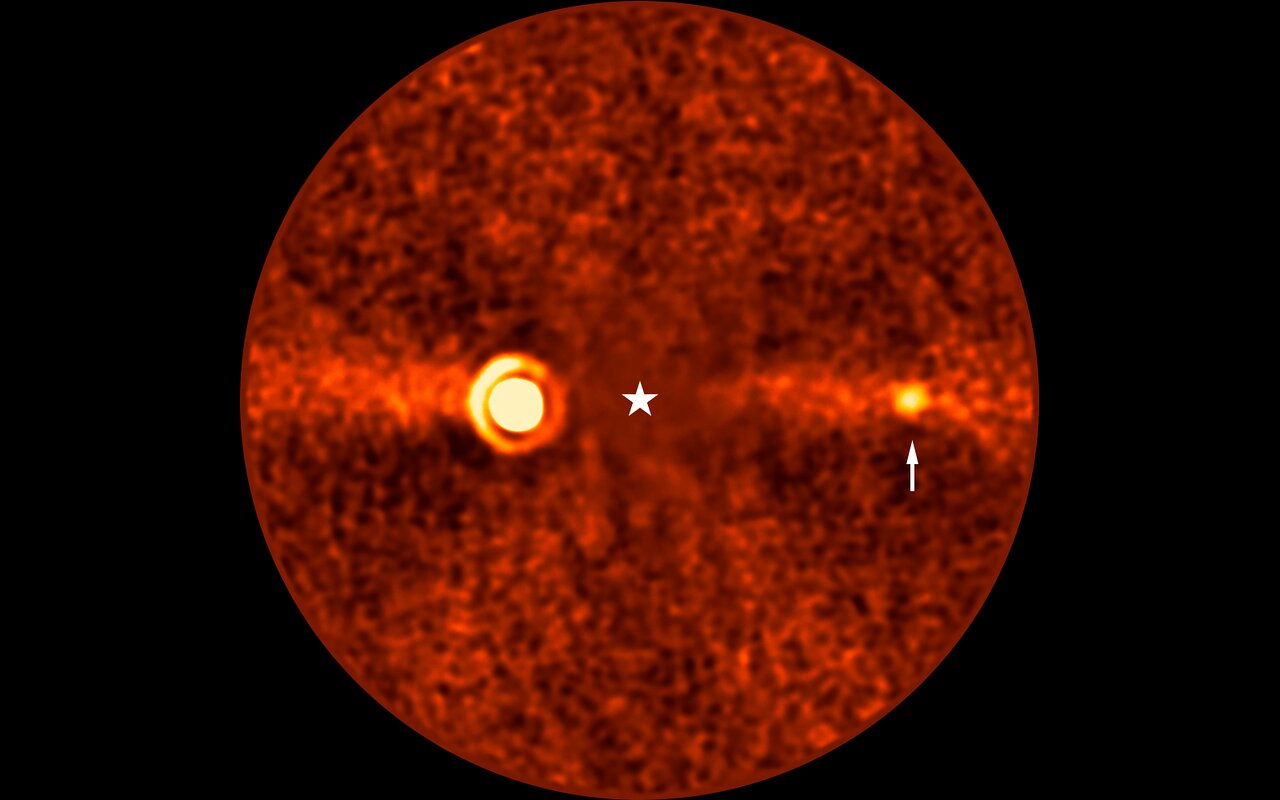 Source image · ESO/B. Sutlieff, M. Bonse et al.
A team of astronomers has discovered a third planet orbiting the star Beta Pictoris, making it the faintest planet ever imaged from Earth. The new planet, Beta Pictoris d, is 100 times fainter than Beta Pictoris b and is among the lightest exoplanets ever imaged from the ground. The discovery was made after more than a decade of searching through archive observations.
Follow our open news feed. No inbox clutter.
Just the latest dispatches, in your reader.