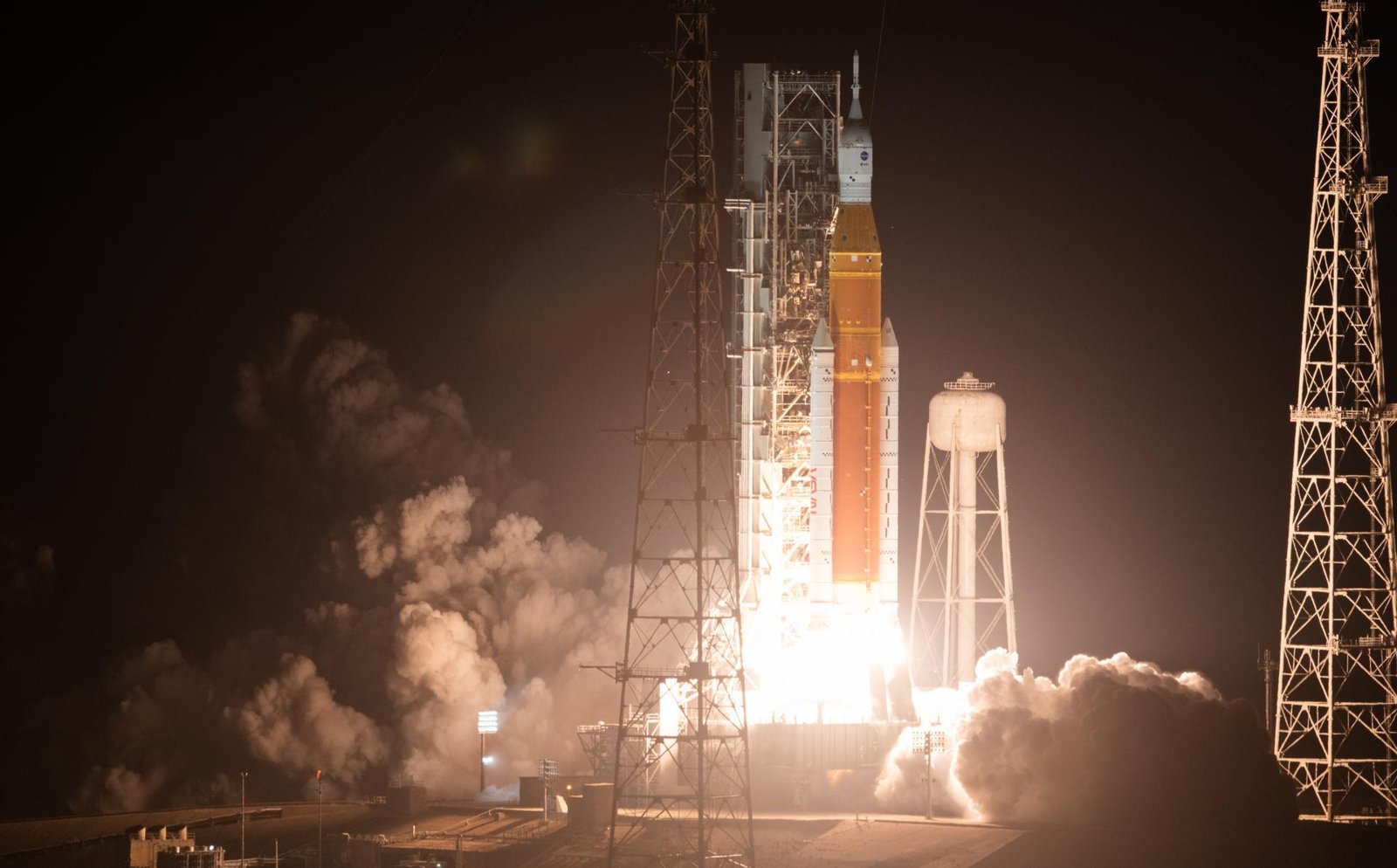
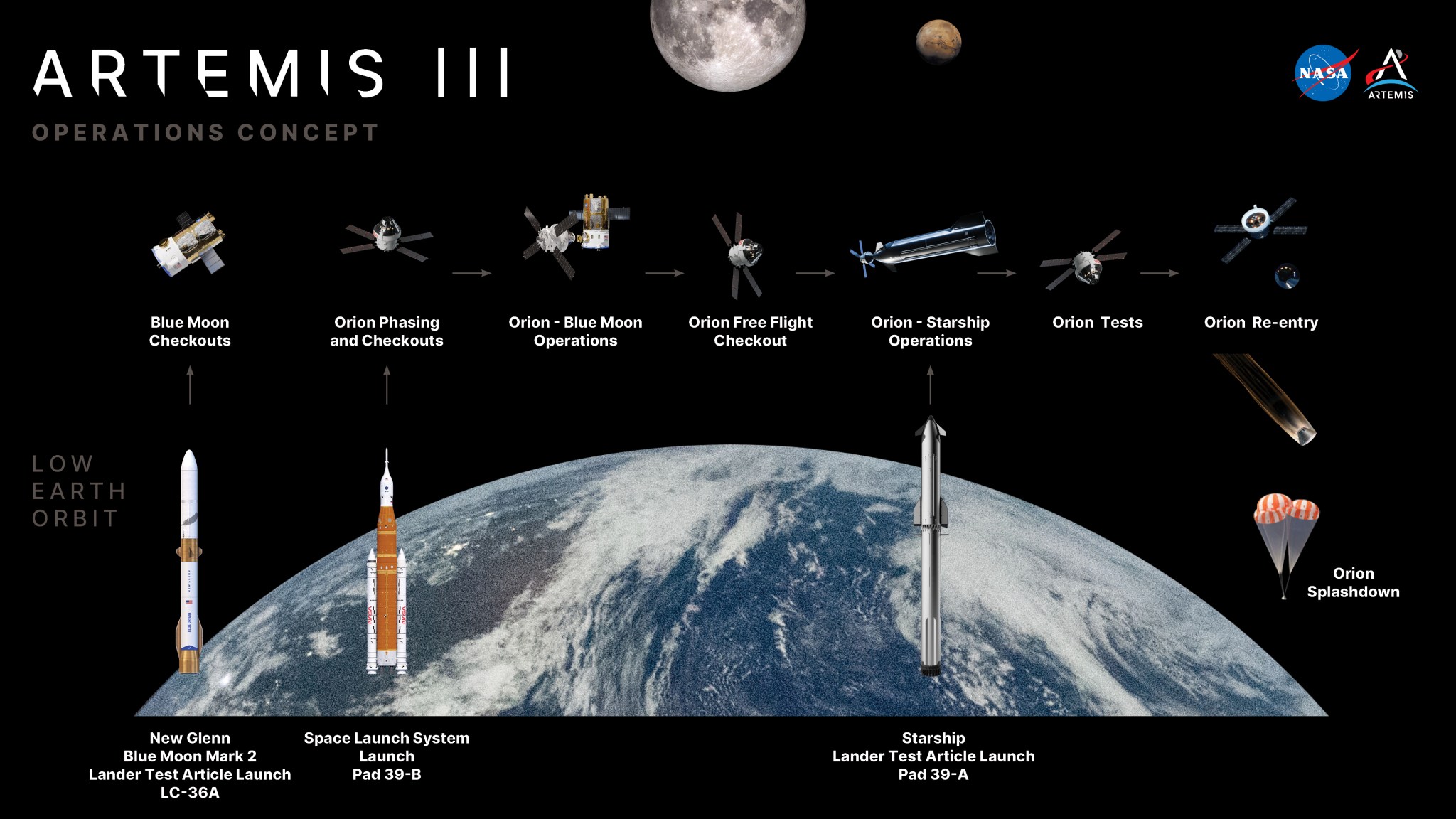
NASA's Artemis III mission, scheduled for 2027, will send astronauts and test versions of human landing systems to the Moon's South Pole. The mission, involving three separate spacecraft launched on three different rockets, is designed to reduce risk, validate hardware, and gain operational experience before a crewed lunar landing in 2028.
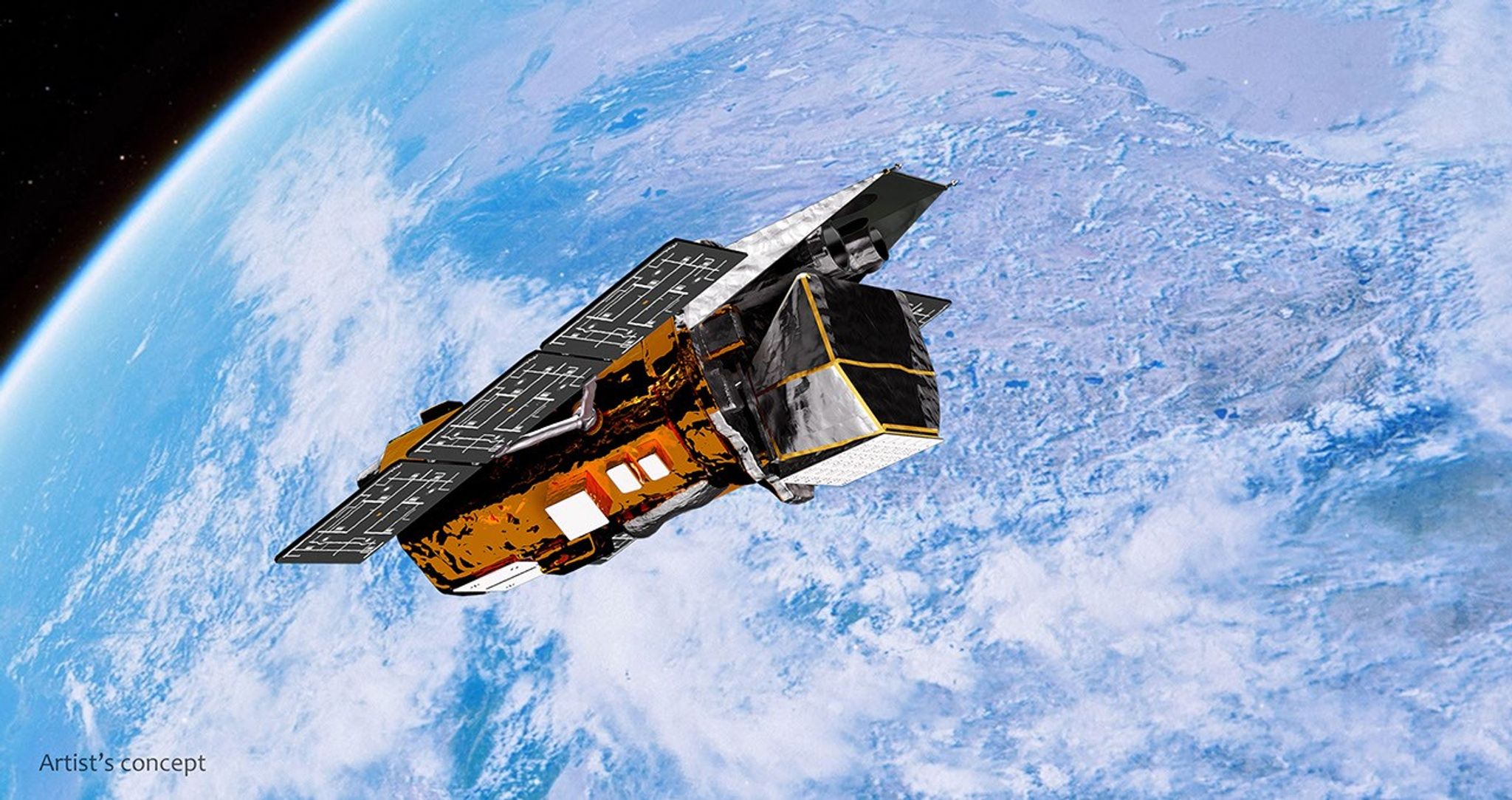
NASA’s Neil Gehrels Swift Observatory has ended its science mission now that the spacecraft is orbiting less than 171 miles (275 kilometers) above Earth’s surface.
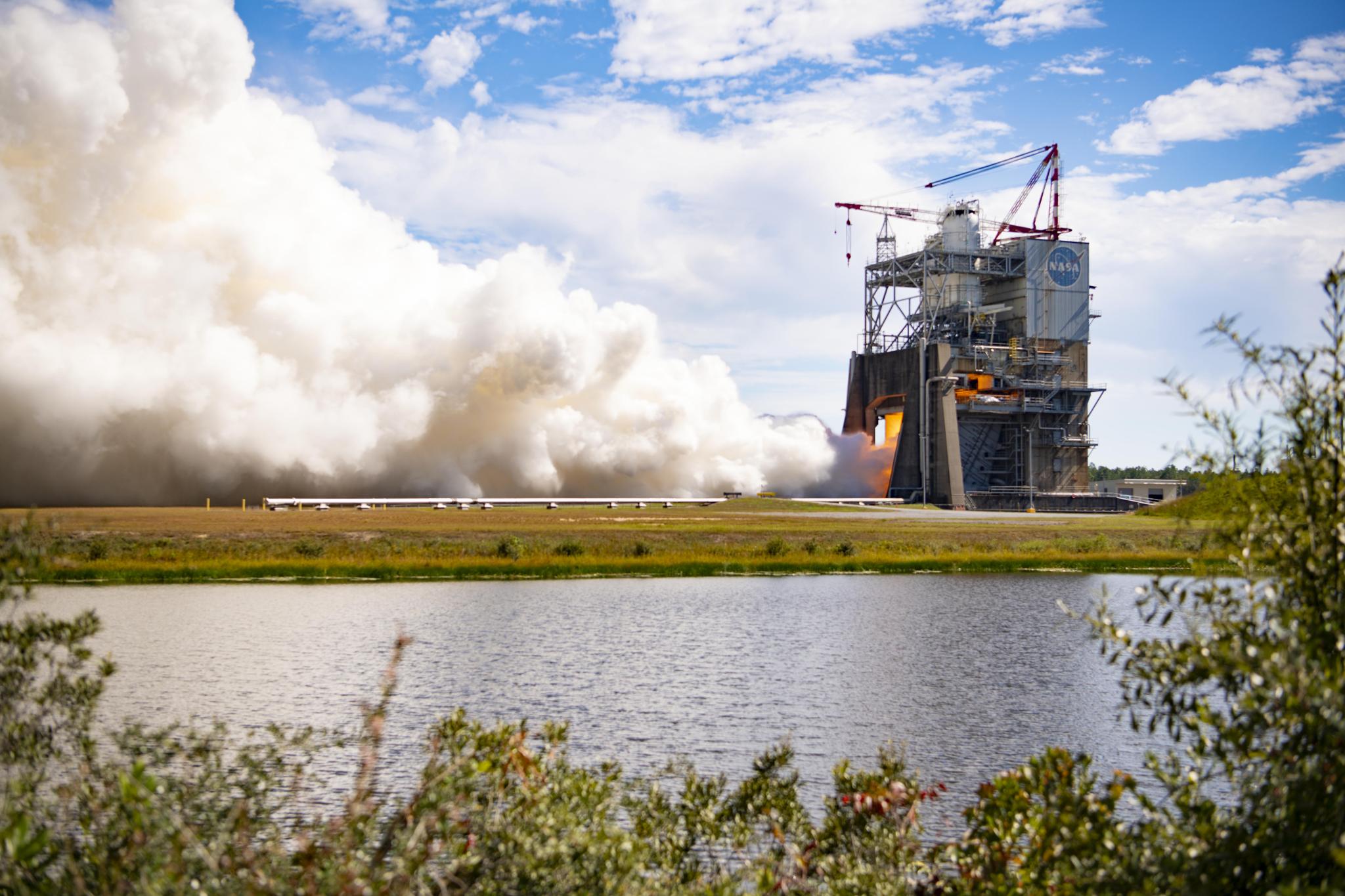
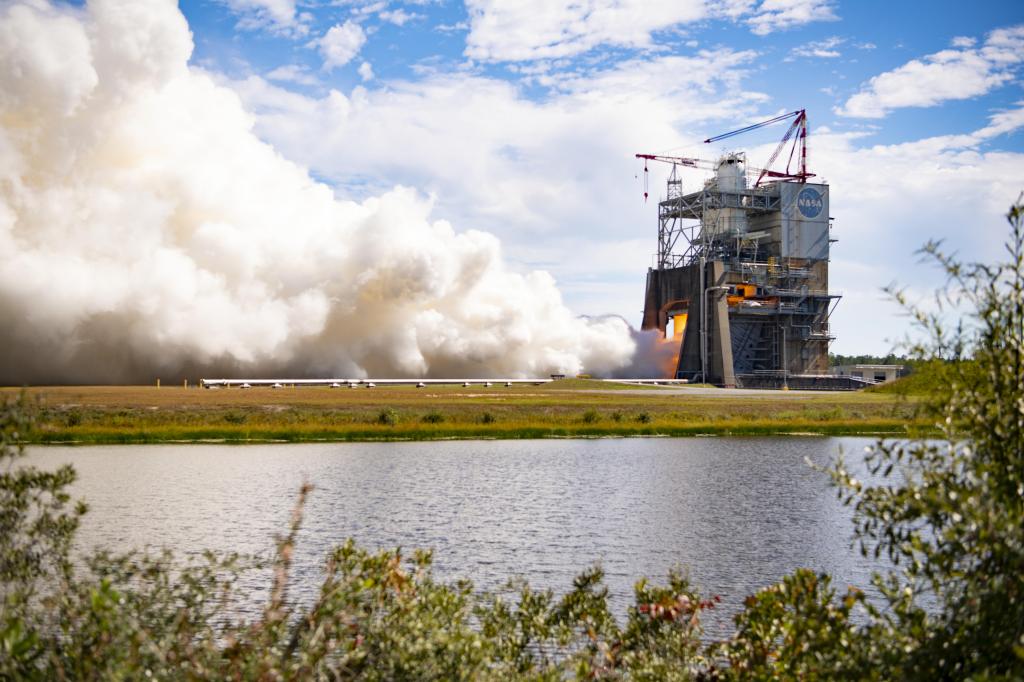
NASA's Stennis Space Center tested RS-25 engine No. 10001 on Oct. 21, 2026. The hot fire test lasted 500 seconds, matching SLS rocket launch duration. Four RS-25 engines produce 2 million pounds of thrust for Artemis missions. The engine, while not for flight, provides data for engine performance and reliability improvement.
Google Research has developed open foundation models for tuberculosis screening, moving from early research benchmarks to open foundation models that can be deployed at the point of care. This week at IDWeek 2026, Google is sharing how these models are empowering public health systems worldwide to democratize TB screening at global scale.
NASA and Virginia are collaborating to improve energy security in the state. NASA's Langley Research Center will use its expertise in atmospheric sciences to assist Virginia Energy in resiliency studies, resource analysis, and long-term energy planning. The partnership will provide datasets for energy system modeling and planning, benefiting Virginia's citizens and energy policy.
The debate, then, was about trying to determine what human inventiveness boils down to, and then how to reconstitute human inventiveness in machine form.
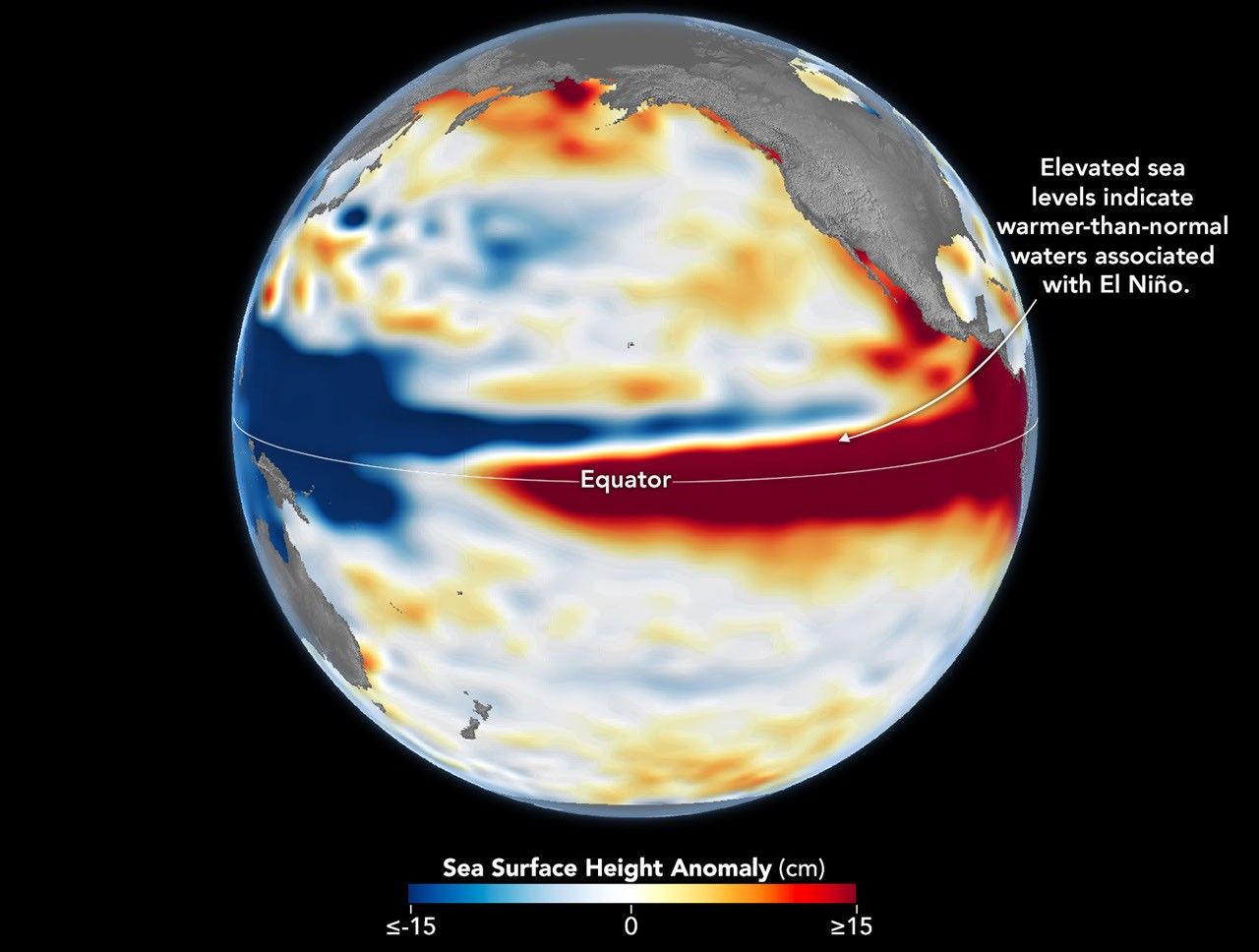
El Niño is part of a natural climate pattern that occurs roughly every two to seven years, bringing warmer-than-normal water to parts of the equatorial Pacific.
NASA invites media to the 2026 von Braun Space Exploration Symposium, focusing on humanity's return to the Moon, sustainable lunar infrastructure, and advanced space propulsion. Panels include discussions on Artemis II and III, space propulsion, and engineering the future. The event is organized by the American Astronautical Society and NASA's Marshall Space Flight Center.
A NASA Hubble Space Telescope image released on October 16, 2026, shows the edge-on, intermediate spiral galaxy NGC 1827, located roughly 37 million light-years away in the constellation Columba. The image was captured as part of a survey looking at 260 satellite galaxies around 22 Milky Way-like host galaxies within a radius of about 32 million light-years from Earth. The low-mass galaxies provide a way to test cosmological models on small scales, which struggle to match observations.
Jiaji Li and his team at TJU and CSAIL used X-Hinges to create interactive objects like a glove that teaches a robot how to grasp blocks and a lamp that adjusts brightness based on user interaction. They also developed a device that identifies objects placed on it based on tactile data. The interface allows users to design interactive objects from scratch, with four shapes to choose from and customizable movements. The advanced physical awareness could be integrated into detection systems in various settings.
NASA's Hubble Space Telescope is capturing gravitational lensing images to prepare for the new Roman Space Telescope, which will study dark matter and the universe's structure. The images show a distant background galaxy distorted by a foreground elliptical galaxy, providing insights into the mass and composition of the universe.
In September and October 2026, fires burned across New Guinea, the world's second-largest island, amid a strong El Niño. Smoke from the fires covered large areas of the island, causing air quality problems and impacting flights, schools, and public health. Fires released nearly 32 megatons of carbon by October 17, more than any other year on record, and likely surpassing 1997 as the highest year on record for Papua New Guinea.
NASA Science is introducing a new competition model, CM2.0, to deliver science faster. The model prioritizes science-focused proposals and reduces the time and resources spent on long competitive processes. NASA is committed to making meaningful change and will refine the model with input from the community. The new approach aims to free up time for scientists to focus on their research and reduce the burden of proposal development.
NASA conducted a test of RS-25 engine No. 10001 on Oct. 21 at Stennis Space Center. The test lasted 500 seconds and reached 111% power, validating the new thermal protection system for SLS launches. While not for flight, the test provides data for engine improvement and reliability.
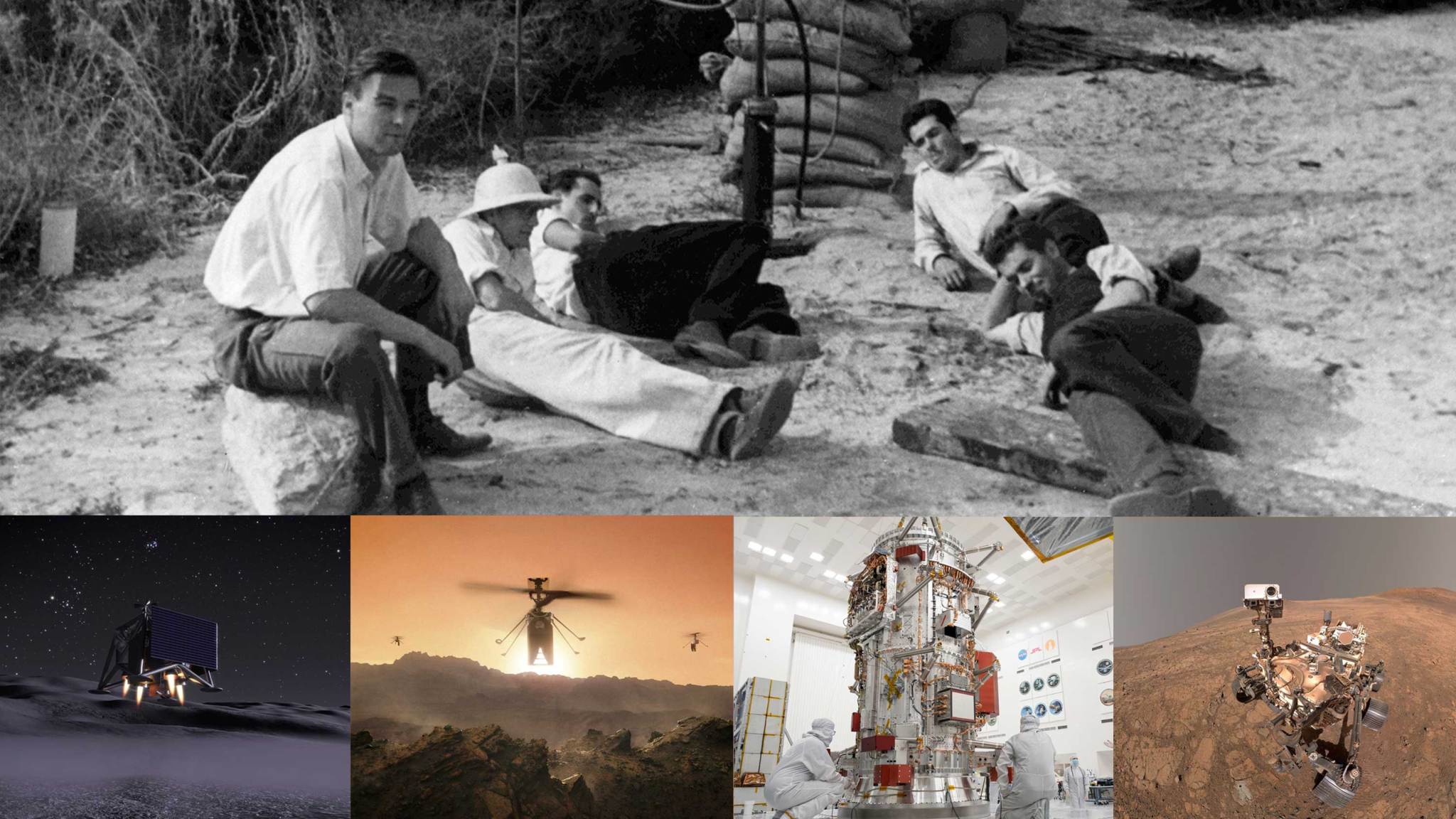
Ninety years later, the lab, now managed by Caltech for NASA, isn’t only celebrating the long line of historic firsts accomplished here; it’s paving the way for many to come.
A study by Google Research and Google for Health demonstrates that AI can be used to assess gestational age in ultrasound scans, enabling non-sonographer operators with low-cost probes to deliver expert-level assessments. This could significantly expand life-saving maternal care globally, especially in low-resource settings where access to diagnostic medical imaging is limited.
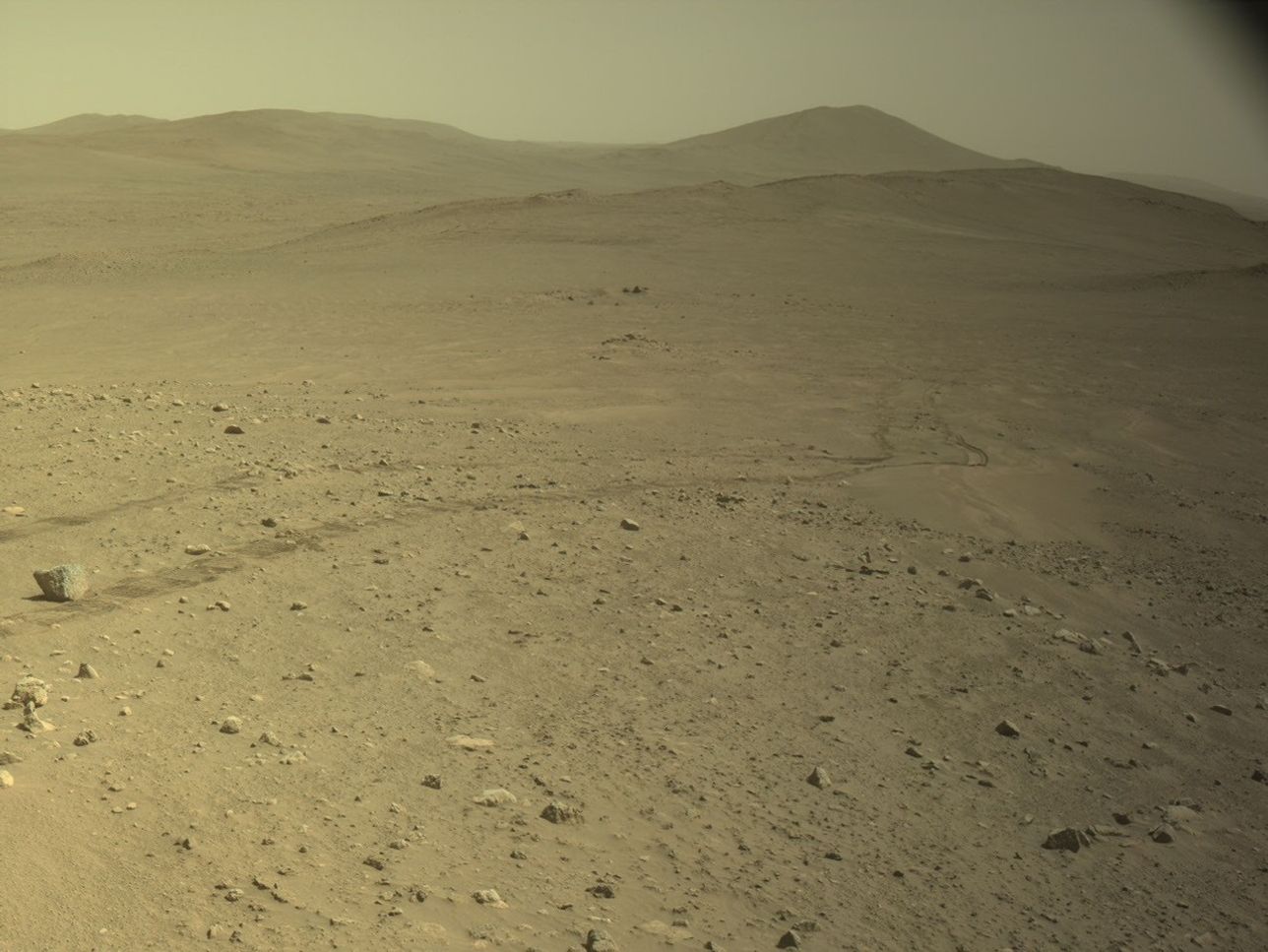
Perseverance, the rover on Mars, has set a new record for the longest drive on another celestial body. The rover's odometer reached 45.22 kilometers (28.10 miles) on Sol 2006 (Oct. 11, 2026), surpassing the previous record. The achievement was made possible by navigating challenging terrain and pioneering new driving techniques. The team also updated the rover's tilt limit and clearance requirements, and developed an autonomous drive capability called onboard Global Localization (GBLC) to enable longer distances without human intervention.
NASA··1 min read
LESS NOISE. MORE SIGNAL.
A little further into the unknown.
Follow our open news feed. No inbox clutter. Just the latest dispatches, in your reader.

 Source image · NASA