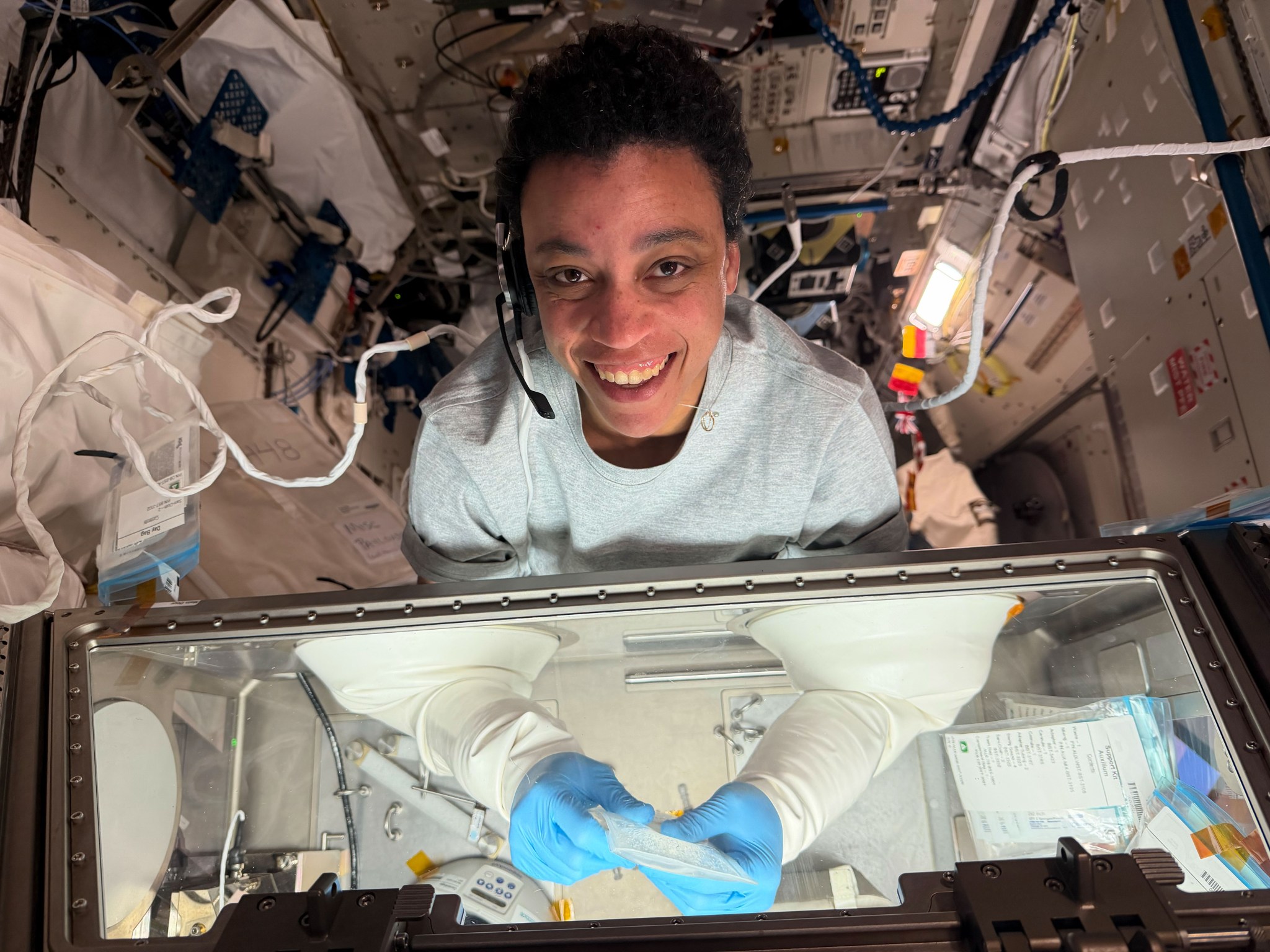
NASA astronaut Jessica Watkins, part of Expedition 75, worked on the Space Station in the Kibo laboratory module's Life Science Glovebox on Oct. 9, 2026. She mixed living cell samples with bioink and filled a special cartridge with the cell-ink mixture. The advanced research, part of the InSPA-Auxilium Bioprinter-Cell Printing investigation, explores 3D bioprinting cartilage tissue in microgravity for higher quality than on Earth. The results may advance biomanufacturing cartilage, benefiting patients on Earth and crew members on long-duration space missions.
NASA will conduct low-altitude research flights over farmland near Amarillo, Texas, from Oct. 22 to Nov. 9. The mission, FarmFlux, will measure emissions from animal feeding operations and agricultural lands. Additional flights are scheduled for the March to July 2027 growing season in the Midwest and California's Central Valley. The mission is led by NASA's Goddard Space Flight Center, Colorado State University, and Boston University.
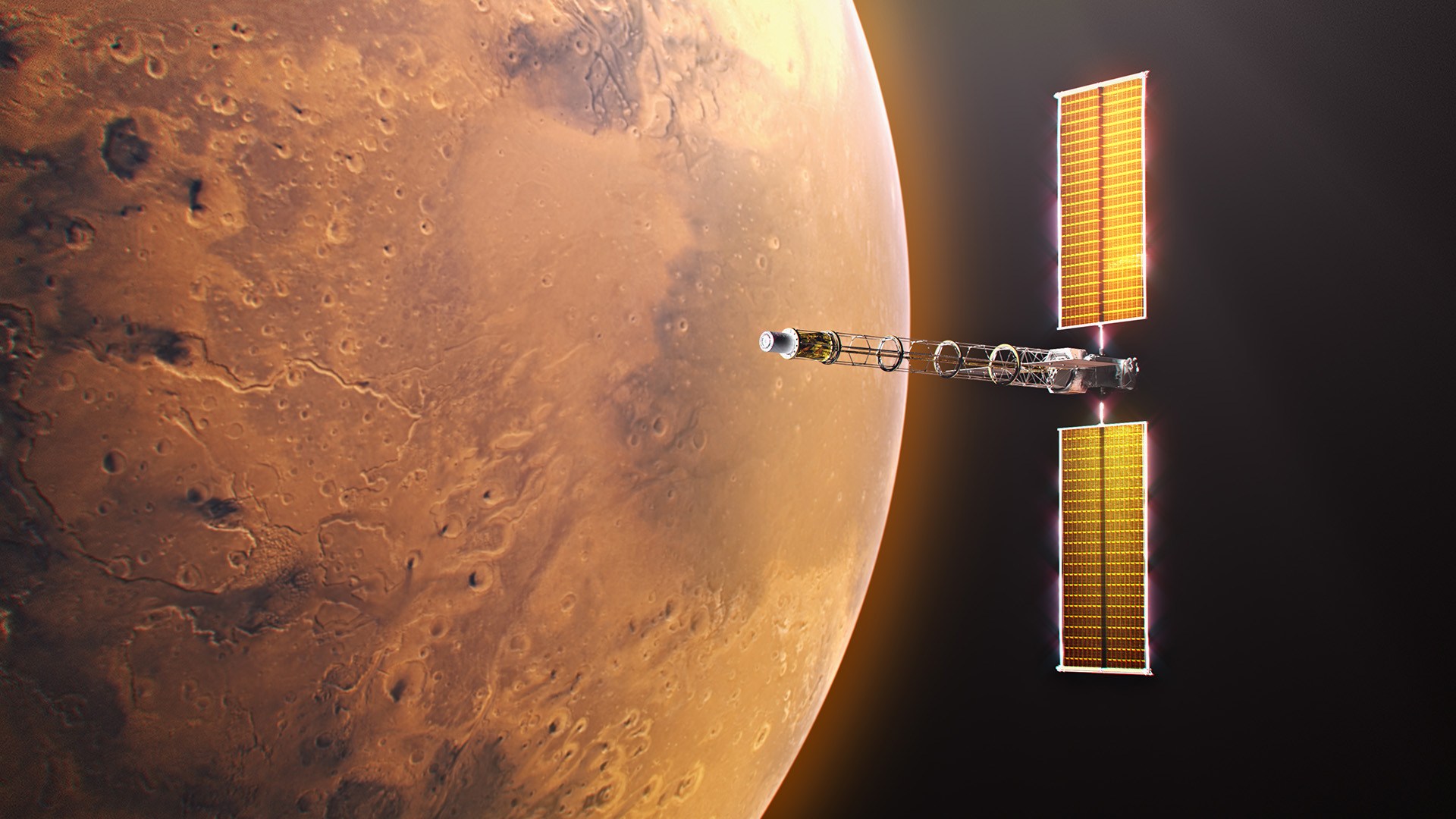
NASA's Space Reactor-1 (SR-1) Freedom, destined for Mars and beyond, is advancing with progress on its key element: the nuclear power module. The module's closed Brayton cycle power conversion system will be provided by Sierra Lobo Inc., and the work is being conducted under the Space Flight Systems Development and Operations Contract III, awarded in 2024. The nuclear reactor portion of SR-1 Freedom will remain inactive until the spacecraft leaves Earth orbit, ensuring safety standards throughout the design and development process.
NASA researchers are developing the future of flight on Mars, laying the groundwork for helicopters with the ability to fly higher and farther while conducting science on the Red Planet.
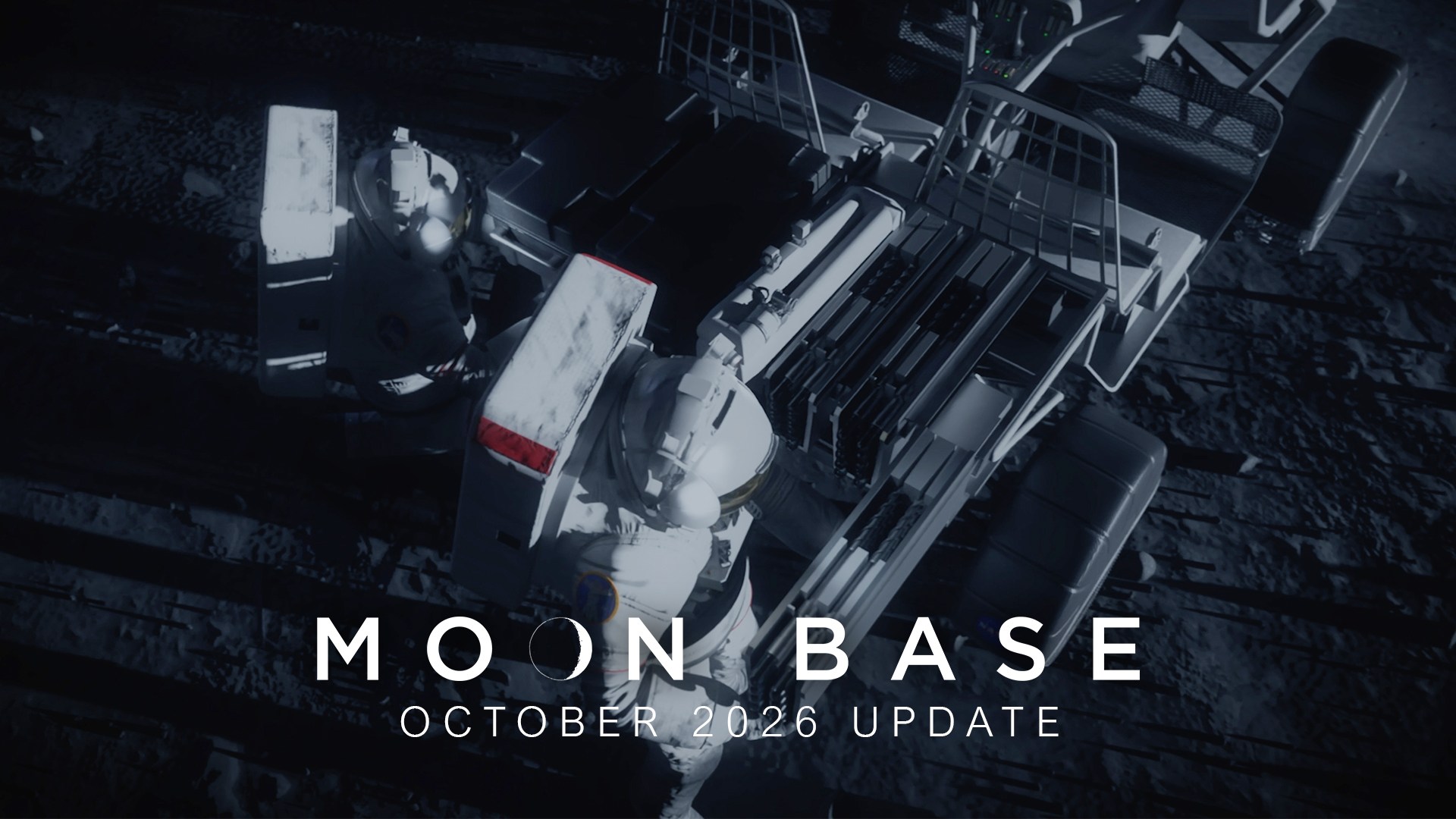
As NASA works to build the Moon Base, crewed and robotic lunar rovers will play a crucial role during early development through technology demonstrations, astronaut transport, terrain mapping, scientific investigations, and resource prospecting.
U.S. National Science Foundation-supported researcher Louise Willingale discusses the most powerful laser in the United States, the NSF Zettawatt Equivalent Ultrashort Pulse Laser System , how it's being used to advance science, and how it will become even more powerful in the future.
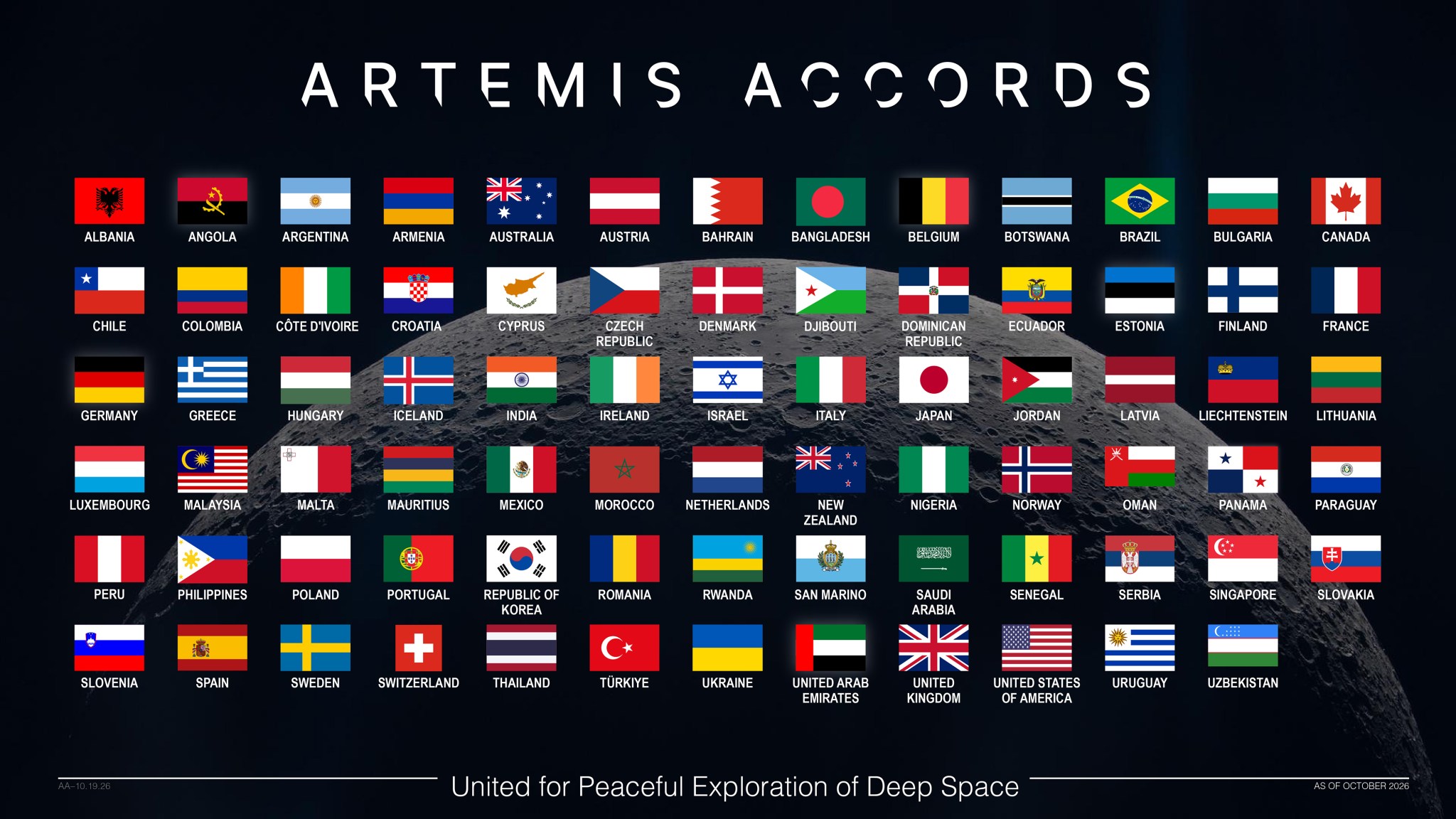
Uzbekistan became the 77th signatory of the Artemis Accords during a ceremony in Samarkand. Minister of Foreign Affairs Bakhtiyor Saidov signed on behalf of the country. Uzbekistan is committed to the principles guiding safe, transparent, and responsible civil space exploration. The country has engaged with NASA and the global space community through its space program and plans to host the annual global space event in 2028.
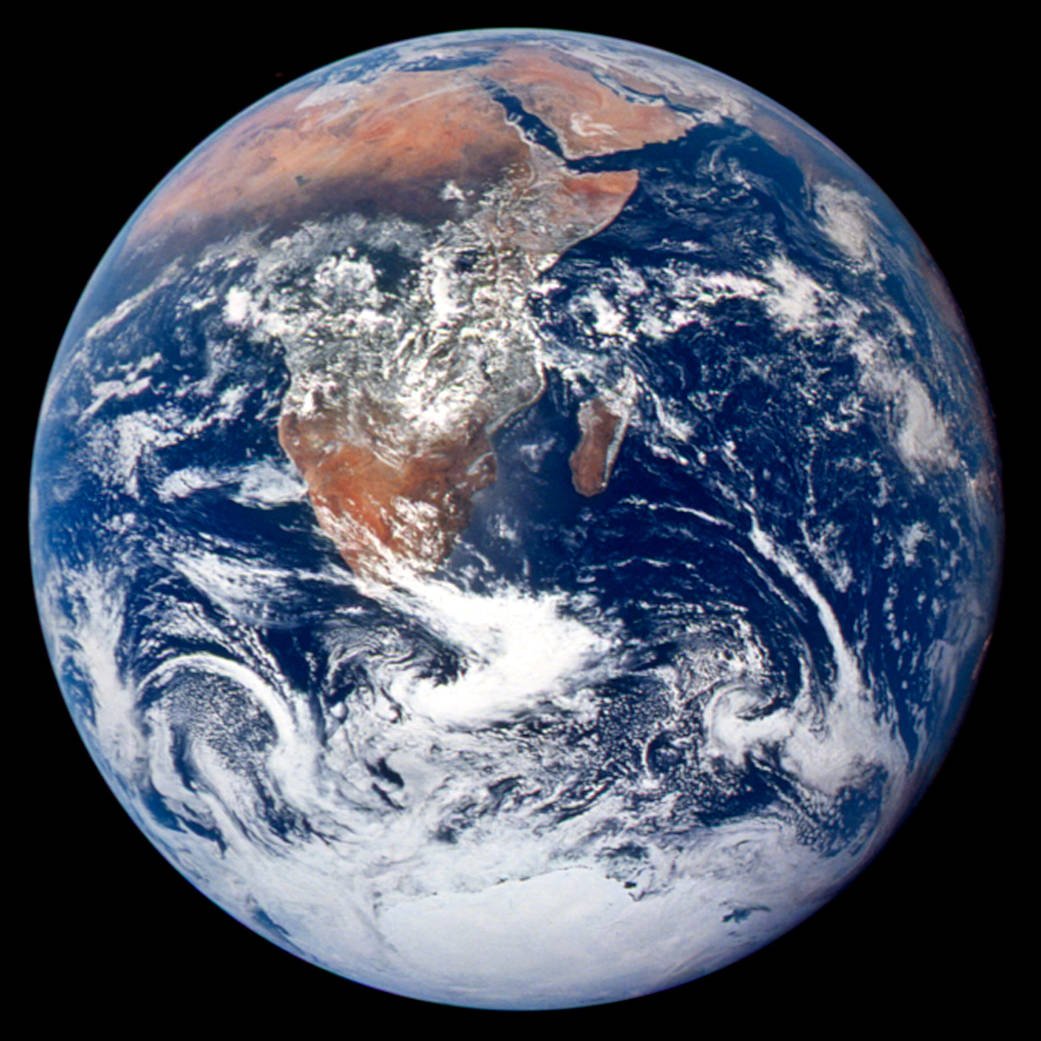
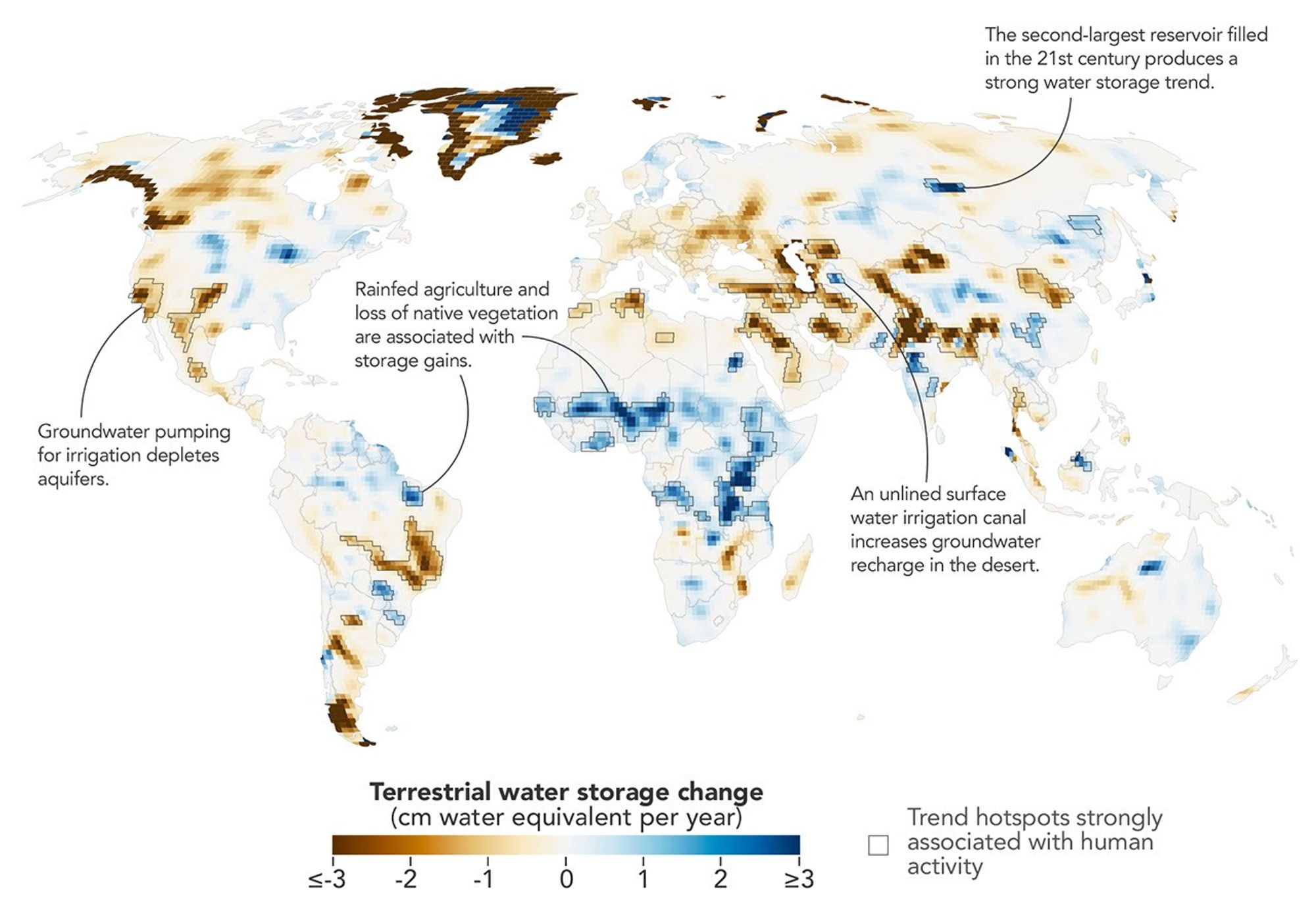
A new NASA study reveals how human activities, such as irrigation and land-use changes, are affecting terrestrial water storage. The study, based on satellite measurements, identifies 40 regions where these activities have a stronger impact on water storage trends than climate variability. The findings highlight the importance of understanding human influence on Earth's water cycle.
While GCMS tends to be an energy-intensive activity, we had four whole sols in Monday’s plan to play with, so we still had room for a slew of remote-sensing activities from Mastcam and ChemCam and contact science of the drill tailings — the bits of rock and minerals that are left over from our drill sample.
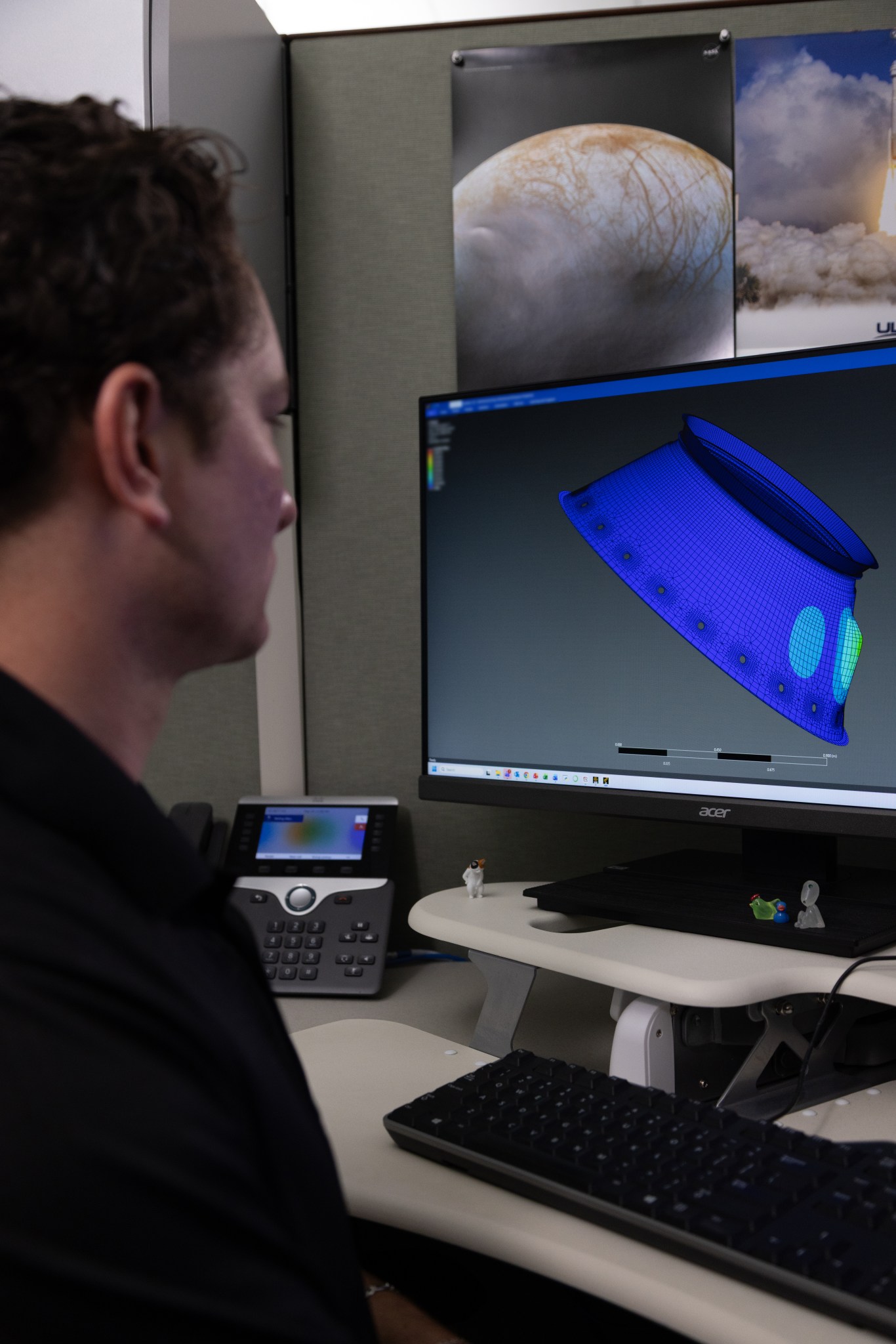
NASA engineers have developed a new method to predict and strengthen the behavior of rockets and spacecraft under extreme conditions, ensuring mission safety. Using a commercial software tool, they streamlined finite element modeling for shock and vibration analysis, identifying weak spots and potential failure risks early. The team recently used this method to certify a commercial launch provider's rocket for a NASA mission, identifying the need for shock testing and providing new insights into shock during transport.
Researchers at MIT, Boston Children’s Hospital, and Inria have developed a deep learning model called E(3)-Pose to help image the fetus's head during prenatal ultrasound scans. The model aims to capture high-resolution images of the fetus's head, reducing the risk of missed or incorrect diagnoses of developmental abnormalities, particularly in the brain. The work was presented at the 2026 European Conference on Computer Vision.

 Source image · NASA/Anil Menon